Optimal Fertilizer for Growing Heavenly bamboo: What You Need to Know
1
Heavenly bamboo benefits most from fertilization in the spring, allowing for complete absorption of nutrients throughout its active growth period.
2
A general-purpose 10-10-10 NPK nutrient mix is usually perfect for Heavenly bamboo, guaranteeing even proportions of nitrogen, phosphorus, and potassium.
3
Applying too much fertilizer can be detrimental; strive for moderate and regular nourishment.
Deciphering the Dietary Requirements of Heavenly bamboo
Nutrient's Contribution to Heavenly bamboo Vitality
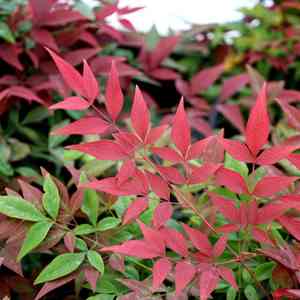
For Heavenly bamboo to exhibit its rich foliage and vivid hues, it demands a balanced intake of vital nutrients. Nitrogen, phosphorus, and potassium (NPK) are fundamental to its development. Nitrogen promotes leaf development, yielding green and lush leaves. Phosphorus aids in root formation and bloom production, which is particularly important as Heavenly bamboo produces white blossoms in spring. Potassium boosts the plant's overall resilience and enhances its defense against ailments and pests.
Indicators of Nutrient Scarcity
Observing your Heavenly bamboo can reveal insights into its nutrient status. Common indicators of deficiencies include yellowing leaves, stunted development, and poor blooming. Discolored leaves may signal a lack of nitrogen, while insufficient flowering and reduced growth suggest a phosphorus deficit. If the plant's leaf edges are turning brown, it could be due to a potassium shortage. Promptly addressing these signs with the appropriate fertilizer can restore your plant's vigor.
Selecting the Appropriate Fertilizer for Heavenly bamboo
Organic Versus Synthetic Plant Foods
When choosing a plant food for Heavenly bamboo, you have the option of organic or synthetic. Organic fertilizers, such as compost or well-decomposed manure, release nutrients gradually and improve soil structure over time. They are environmentally friendly and reduce the risk of burning the plant. Synthetic fertilizers, conversely, offer immediate nutrient availability and are simple to apply. A balanced strategy, employing a mix of both, can ensure your Heavenly bamboo receives a consistent supply of nutrients.
Key Elements to Seek Out
When purchasing fertilizers, look for a balanced NPK ratio, ideally 10-10-10, to guarantee that Heavenly bamboo receives a comprehensive nutrient supply. Furthermore, micronutrients like iron, magnesium, and manganese are advantageous. These trace elements support various physiological processes, including chlorophyll creation and nutrient uptake. Ensuring your fertilizer contains these crucial components can lead to more vigorous plant growth.
Optimal Fertilizing Regimen for Heavenly bamboo
Prime Times to Fertilize Throughout the Year
The best time to fertilize Heavenly bamboo is in the spring, precisely when new growth commences. This allows the plant to fully benefit from the nutrients during its active growing phase. A second, lighter application can be given in mid-summer to maintain growth if needed. It is crucial to avoid fertilizing in late autumn or winter, as the plant enters dormancy and is less likely to absorb nutrients effectively.
Adjusting Fertilization Based on Plant Development and Health
You should customize your fertilization schedule according to the growth rate and condition of your Heavenly bamboo. A plant that is actively developing and producing new shoots may require more frequent feeding. Conversely, a plant exhibiting signs of stress or poor development may benefit from a soil analysis to determine its specific nutrient requirements. Adapting your fertilization approach based on these observations can result in more targeted and efficient feeding.
Applying Plant Food to Heavenly bamboo
Step-by-Step Application Methods
When applying plant food to Heavenly bamboo, begin by consulting the product directions to ascertain the correct quantity to use. Distribute the fertilizer evenly around the plant's base, avoiding direct contact with the stems to prevent damage. Water the area thoroughly to help the fertilizer permeate the soil and reach the roots. For organic fertilizers, incorporate the material into the top 5-10 cm (2-4 inches) of soil for best outcomes.
Safety Measures When Handling Plant Foods
Handling fertilizers safely is vital to safeguard your health and the environment. Wear gloves and eye protection to prevent skin irritation and accidental splashes. Store fertilizers in a cool, dry place away from children and pets. Avoid excessive application to reduce the risk of runoff, which can harm local water systems. Following these precautions ensures a safe and effective fertilization process.
Maintaining Heavenly bamboo After Fertilization
Watering Practices Following Fertilization
After fertilizing your Heavenly bamboo, consistent irrigation is crucial to help the plant absorb nutrients. Water deeply and uniformly to keep the soil moderately moist but not saturated. This encourages robust root growth and prevents nutrient depletion. Using mulch around the plant's base can also help retain moisture and stabilize soil temperature.
Monitoring Plant Vigor and Growth
Post-fertilization, routinely inspect your Heavenly bamboo for signs of improvement or persistent issues. Healthy new growth, vibrant leaf coloration, and increased blooming are positive indicators of effective fertilization. Watch for any adverse reactions, such as leaf scorch or wilting, which might suggest over-fertilization. Adjust your care routine based on these observations to preserve the plant's health.



