Optimal Fertilizer for Growing Oleander: What You Need to Know
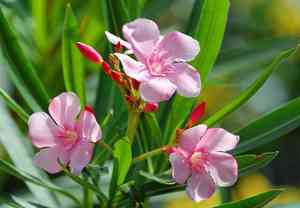
1
Oleander performs optimally with a general-purpose fertilizer, like a 10-10-10 blend, administered throughout its active growth phase.
2
Refrain from excessive fertilization of your Oleander, as this may result in abundant foliage at the cost of bloom production.
3
Commence fertilizing Oleander in spring, which is ideal for fostering new development and promoting blooms.
Deciphering Oleander's Nutritional Requirements
Nutrients' Contribution to Oleander Vitality
Nourishing your Oleander is crucial for preserving its vigor and health. Essential elements like nitrogen (N), phosphorus (P), and potassium (K) play significant roles in various biological processes. Nitrogen is vital for leaf development, phosphorus aids in root growth and blooming, and potassium strengthens overall plant resilience and disease resistance.
Recognizing Indicators of Nutrient Deficiencies
Identifying insufficient nutrients in Oleander can help guarantee proper plant care. Typical signs of deficiency include yellowed foliage, stunted development, and reduced or absent blossoms. For example, yellow leaves might suggest a nitrogen shortage, while poor flowering could point to a phosphorus deficit. Observing these symptoms enables you to modify your feeding regimen appropriately.
Selecting the Appropriate Fertilizer for Oleander
Fertilizer Varieties Suitable for Oleander
Regarding Oleander fertilization, you have several choices. Balanced formulations, such as 10-10-10, offer an equal proportion of vital nutrients and are perfectly suited for this plant. Extended-release fertilizers provide a steady supply of nutrients over time, lessening the need for frequent applications. Liquid feeds can also be utilized for rapid uptake, especially during the growth phase when the plant's nutrient demands are elevated.
Organic vs. Synthetic: Which Performs Best?
Both natural and artificial fertilizers can be effective for Oleander, yet they possess distinct advantages and disadvantages. Organic fertilizers, like compost and manure, improve soil structure and introduce beneficial microorganisms but might act more slowly. Synthetic fertilizers offer immediate nutrient availability but can contribute to soil degradation over time. A balanced strategy often proves most effective, integrating organic matter to boost soil health while employing synthetic fertilizers for specific nutrient delivery.
Optimal Fertilization Techniques for Oleander
A Step-by-Step Approach to Fertilizing Oleander
Fertilizing Oleander involves several crucial steps to ensure efficient nutrient absorption. Begin by thoroughly watering the plant to help prevent chemical burn. Disperse the chosen fertilizer evenly around the plant's base, keeping it away from the stem. Gently incorporate the fertilizer into the top few centimeters (inches) of soil. Follow with another watering to help dissolve and spread the nutrients. For best outcomes, repeat this procedure every 4-6 weeks during the active growing season, typically from early spring through mid-summer.
Common Fertilization Errors to Avoid
When fertilizing Oleander, steer clear of these frequent errors to maintain your plant's well-being:Excessive fertilization: Too much fertilizer can promote luxuriant leaf growth but fewer flowers, and might even harm roots.Applying fertilizer to dry soil: This can cause root scorching. Always hydrate before and after fertilizing.Using the incorrect fertilizer type: Ensure you are utilizing a balanced formula appropriate for Oleander. Adhere to recommended dosages and dilution instructions.
Seasonal Fertilizing Schedule for Oleander
Year-Round Timing for Oleander Fertilization
The ideal time to begin feeding Oleander is at the onset of the spring growing season. This period supports new development and blooming. Continue fertilizing every 4-6 weeks until mid-summer. Refrain from fertilizing in late fall and winter, as the plant enters dormancy and its nutritional requirements significantly decrease. Adhering to this timetable helps ensure your Oleander receives nutrients when most needed.
Adapting Fertilizer Type and Amount by Season
Adjusting your fertilizer type and quantity according to the seasons can optimize Oleander health. In early spring, use a balanced feed to jumpstart growth. As flowering peaks, consider a fertilizer higher in phosphorus to encourage blooms. Reduce overall fertilizer use in late summer to ready the plant for dormancy. In winter, cease fertilizers entirely, as the plant's nutrient uptake diminishes. Tailoring your approach seasonally ensures your Oleander remains vibrant all year.



