Optimal Fertilizer for Growing Dwarf lilyturf: What You Need to Know
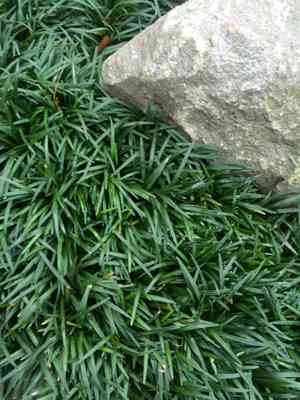
1
A well-balanced fertilizer applied in early spring benefits dwarf lilyturf.
2
Excessive fertilization can be detrimental, resulting in root burn and inhibited development.
3
Natural fertilizers provide a gradual nutrient release, whereas artificial ones deliver a rapid nutrient surge.
Understanding Fertilization Needs of Dwarf lilyturf
Why Does Dwarf lilyturf Need Fertilizer?
Fertilizing is crucial for Dwarf lilyturf to flourish and maintain its vibrant green foliage. While this plant is relatively low-maintenance, providing it with appropriate nutrients ensures vigorous development. Soil nutrients diminish over time, particularly for potted plants. Fertilizing replenishes these vital elements, supports healthy root growth, and enhances the plant's resistance to diseases and pests.
What Nutrients Does Dwarf lilyturf Require?
Dwarf lilyturf plants necessitate a balanced nutrient blend to thrive. The primary nutrients are nitrogen (N), phosphorus (P), and potassium (K). Nitrogen promotes lush, leafy growth, phosphorus aids in root and bloom development, and potassium strengthens the plant overall. Additionally, micronutrients like magnesium, calcium, and sulfur play key supportive roles in the plant's general well-being. A general-purpose fertilizer with an N-P-K ratio of 10-10-10 or 20-20-20 is typically appropriate for Dwarf lilyturf.
Choosing the Right Fertilizer for Dwarf lilyturf
Types of Fertilizers Suitable for Dwarf lilyturf
When selecting a fertilizer for Dwarf lilyturf, you have various choices. Granular fertilizers are simple to apply and provide sustained effects. Liquid fertilizers offer a rapid nutrient boost, perfect for immediate deficiencies. Slow-release fertilizers are convenient as they reduce the need for frequent applications. Compost tea, seaweed extract, and fish emulsion are excellent organic alternatives that can naturally enrich the soil.
Organic vs. Synthetic Fertilizers: Which is Best?
The discussion surrounding organic versus synthetic fertilizers is common among gardeners. Organic fertilizers, derived from natural sources, release nutrients gradually and improve soil structure and microbial activity. However, they may not deliver nutrients as quickly as your plant requires. Synthetic fertilizers, conversely, are formulated to provide a swift nutrient supply, which can be particularly useful for rapid development. Nonetheless, they can lead to soil degradation over time. A combination of both can be advantageous, utilizing organic fertilizers to enhance soil health and synthetic ones for quick fixes when necessary.
Fertilizing Techniques and Best Practices
When to Fertilize Dwarf lilyturf Throughout the Year
The ideal period to fertilize Dwarf lilyturf is in the spring as the plant enters its active growth phase. This timing allows the plant to efficiently use the nutrients for new development. Another light application can be administered in mid-summer to support the plant during warmer months. Refrain from fertilizing in fall and winter, as the plant's growth decelerates, and excess nutrients can accumulate in the soil.
How to Apply Fertilizer to Dwarf lilyturf
To fertilize Dwarf lilyturf, follow these guidelines:Measure the Correct Amount: Always consult the fertilizer packaging for instructions and measure the recommended quantity.Even Spreading: Distribute granular fertilizer uniformly around the plant's base, avoiding direct contact with its foliage.Watering: Thoroughly water the plant after fertilizer application. This helps nutrients reach the roots and minimizes the risk of plant burn.Repeat: Reapply at the suggested intervals, but do not exceed the recommended amount to prevent over-fertilization.
Common Mistakes to Avoid in Fertilizing Dwarf lilyturf
Over-fertilization Risks
Applying too much fertilizer to Dwarf lilyturf can lead to various issues, including root damage, stunted development, and even plant demise. Excessive fertilizer can cause nutrient imbalances and salt accumulation in the soil, harming the plant's delicate roots. It is always prudent to be cautious and apply less fertilizer more often rather than applying too much at once.
Recognizing Signs of Poor Fertilization Practices
Ineffective fertilization practices can manifest in several ways. Yellowing leaves often signal a nitrogen deficiency, while poor root growth can indicate a lack of phosphorus. Wilting and curling leaves may be signs of over-fertilization. Regularly observe your Dwarf lilyturf and adjust your fertilization regimen as needed to maintain its health and vibrancy.



