Optimal Fertilizer for Growing Ivy geranium: What You Need to Know
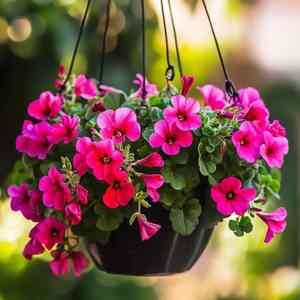
1
Ivy geraniums flourish with fertilization every 4-6 weeks over the summer season.
2
An even 10-10-10 or 20-20-20 N-P-K nutrient blend is perfect for Ivy geraniums.
3
To avoid damaging roots, always hydrate your Ivy geranium prior to fertilizing.
Deciphering the Dietary Requirements of Ivy geranium
Crucial Nutrients for Ivy geranium
For thriving development, Ivy geraniums demand a well-proportioned intake of vital nutrients. These encompass Nitrogen (N) for vigorous foliage, Phosphorus (P) for sturdy root formation and bloom production, and Potassium (K), which boosts general plant vitality and disease resistance. Trace elements such as calcium, magnesium, and iron also support plant development and should not be overlooked.
Indicators of Nutrient Deficiency
Spotting early signs of nutrient scarcity can prevent plant stress. Yellowing leaves frequently signal a lack of nitrogen, while stunted growth and poor flowering might be symptoms of insufficient phosphorus. Potassium deficiency typically shows as browning and curling leaf edges. Pay close attention to these indicators to modify your feeding schedule as needed.
Selecting the Appropriate Plant Food for Ivy geranium
Fertilizer Varieties: Organic versus Synthetic
When nourishing Ivy geraniums, you have two primary choices: natural and manufactured fertilizers. Organic fertilizers, sourced from natural matter like compost, manure, and bone meal, release nutrients gradually and improve soil health over time. Synthetic fertilizers, conversely, offer an immediate nutrient boost and are formulated for precise nutrient balances. Both options have benefits and drawbacks, but many gardeners favor a balanced strategy, utilizing organic fertilizers for sustained soil health and synthetic choices for rapid adjustments.
Assessing N-P-K Ratios for Optimal Vigor
The N-P-K ratio on a fertilizer package indicates the percentages of Nitrogen, Phosphorus, and Potassium. For Ivy geraniums, a balanced ratio like 10-10-10 or 20-20-20 can encourage consistent growth. High-nitrogen fertilizers (e.g., 30-10-10) are excellent for leaf development, but be cautious as too much nitrogen can reduce blooming. During the flowering period, switching to a balanced or bloom-specific formula (e.g., 5-10-10) will enhance flower output.
Frequency of Fertilizing Ivy geranium
Feeding During the Active Growth Period
Summer marks the peak growth phase for Ivy geranium. During this time, fertilizing every 4-6 weeks helps meet their nutritional demands for robust growth and abundant flowering. Always adhere to the manufacturer's instructions on the fertilizer packaging and avoid over-fertilizing, which can cause nutrient burn.
Adjusting Feeding During Inactive Periods
During the resting season, such as late autumn and winter, Ivy geraniums significantly reduce their growth rate. It is vital to decrease fertilization during these times to prevent stressing the plant with surplus nutrients. Some specialists advise completely stopping fertilization until the subsequent growth cycle.
Optimal Practices for Fertilizing Ivy geranium
Application Methods for Peak Absorption
For the best nutrient uptake, thoroughly water Ivy geraniums before applying any plant food. This aids in preventing root burn and ensures nutrients are more uniformly dispersed throughout the soil. Liquid fertilizers can be diluted with water and directly applied to the soil, whereas granular fertilizers should be gently incorporated into the topsoil to prevent runoff.
Monitoring Soil pH and Fertilizer Effects
Maintaining the correct soil pH is crucial for nutrient assimilation in Ivy geraniums. These plants prefer slightly acidic to neutral soil, with a pH range of 6.0 to 7.0. Regular soil pH testing can assist you in making informed decisions about applying lime or sulfur to adjust pH levels. Additionally, observe for indicators of over-fertilization, such as scorched leaves or unusual growth, and thoroughly rinse the soil with ample water if necessary.



