Optimal Fertilizer for Growing Creeping phlox: What You Need to Know
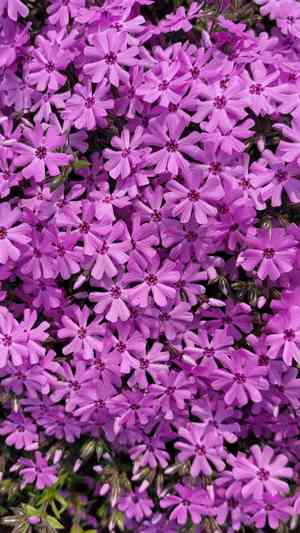
1
Creeping phlox thrives best with a soil pH between 6.0 and 7.0 for efficient nutrient uptake.
2
Liquid feeds deliver quick nutrient availability, whereas granular fertilizers provide a gradual release for long-term nourishment.
3
Ensure Creeping phlox is well-watered immediately after applying fertilizer to aid nutrient distribution into the soil.
Deciphering the Dietary Requirements of Creeping Phlox
The Essentiality of Primary Nutrients for Creeping Phlox
Principal nutrients such as nitrogen, phosphorus, and potassium (NPK) are vital for the vigorous development of Creeping Phlox. Nitrogen promotes leaf production and vividness, phosphorus aids in root establishment and blooming, and potassium strengthens overall plant health and disease resistance. Ensuring an adequate supply of these elements results in luxuriant, carpet-like groundcover with abundant blossoms.
Trace Elements Benefiting Creeping Phlox Development
Trace elements, including iron, manganese, zinc, and copper, play a key role in the metabolic activities of Creeping Phlox. Though required in smaller amounts, these nutrients are fundamental for enzyme function and chlorophyll creation, which impacts the plant's vitality and look. Deficiencies in these micro-elements frequently appear as yellowing leaves or stunted growth.
Selecting the Appropriate Fertilizer for Creeping Phlox
Natural Versus Synthetic Nutrient Sources
When deciding between organic and synthetic fertilizers for Creeping Phlox, both options offer distinct benefits. Organic fertilizers, sourced from natural materials like compost and animal waste, enhance soil structure and microbial activity. Conversely, synthetic fertilizers provide a more immediate nutrient boost but may not improve long-term soil health. Many gardeners find that a combination of both provides optimal results.
Recommended NPK Ratio for Creeping Phlox
The optimal NPK ratio for Creeping Phlox typically falls within the range of 10-10-10 or 12-12-12, guaranteeing balanced nutrition. This proportion supports sturdy growth and prolific flowering by delivering equal quantities of nitrogen, phosphorus, and potassium. For specific developmental stages, like pre- or post-bloom, minor ratio adjustments can further boost performance.
Optimal Practices for Fertilizing Creeping Phlox
Frequency of Fertilization for Creeping Phlox
Consistent fertilization is crucial for maintaining vibrant Creeping Phlox. A general guideline is to fertilize once in early spring to initiate growth and again lightly in mid-summer if the plant appears to need an extra boost. Excessive fertilization should be avoided as it can lead to abundant foliage growth at the expense of blossoms.
The Ideal Season for Nutrient Application
Spring is the prime time to fertilize Creeping Phlox, coinciding with its active growth phase. Applying nutrients during this period ensures the plants receive the necessary elements as they begin vigorous development. This timing supports healthy leaf expansion and sets the stage for a successful blooming season.
Application Methods for Efficient Nutrient Uptake
For effective nutrient absorption, cultivators should apply fertilizers as either a granular surface dressing or a water-soluble solution. Granular fertilizers should be spread uniformly around the plant's base and then thoroughly watered in. Liquid fertilizers, on the other hand, can be mixed with water and applied during regular irrigation schedules. This ensures nutrients quickly reach the root zone. Furthermore, a layer of mulch can help retain soil moisture and aid nutrient absorption.
Typical Errors to Avoid When Fertilizing Creeping Phlox
Dangers and Indicators of Excessive Fertilization
Over-fertilization is a common error that can harm Creeping Phlox. Symptoms of nutrient overdose include yellowing foliage, reduced bloom production, and even plant burn. It is essential to adhere to the recommended dosage instructions on fertilizer packaging to prevent these issues. It is always better to slightly under-fertilize than to over-apply.
Understanding pH's Influence on Nutrient Availability
Soil pH significantly impacts how nutrients are absorbed by Creeping Phlox. Ideally, the pH level should range between 6.0 and 7.0. If the soil is excessively acidic (below 6.0) or too alkaline (above 7.0), certain nutrients become less accessible to plants. Regular soil pH testing and making necessary adjustments with lime or sulfur can optimize growing conditions.



