Optimal Fertilizer for Growing Common selfheal: What You Need to Know
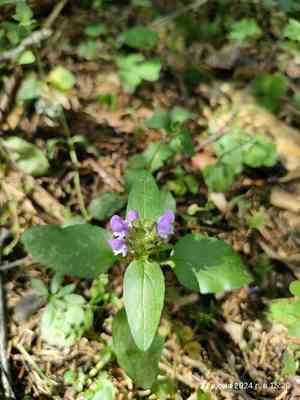
1
Are you aware that Common selfheal prospers with a well-rounded nutrient profile, frequently requiring additional nitrogen for vibrant foliage development?
2
Fertilizing in the springtime supplies Common selfheal with crucial nourishment for its peak growing phase.
3
Observe for discolored leaves and inhibited development; these indicators could signal a lack of nutrients in your Common selfheal.
Understanding the Nutritional Needs of Common selfheal
What Are the Essential Nutrients for Common selfheal?
To ensure your Common selfheal (Prunella vulgaris) thrives, it's essential to understand its nutritional needs. Key nutrients include nitrogen (N), phosphorus (P), and potassium (K). Nitrogen is critical for leafy growth, phosphorus supports flower and root development, and potassium enhances overall plant health. Trace elements like iron, manganese, and zinc also contribute to robust growth.Quick Fact: A soil test can reveal which nutrients your soil may be lacking, allowing for more tailored fertilization.
Signs of Nutrient Deficiency in Common selfheal
Identifying nutrient deficiencies early can prevent severe damage to your Common selfheal. Common signs include yellowing leaves (a sign of nitrogen deficiency), poor root development (phosphorus), and weak stems or yellowing leaf edges (potassium). Regularly inspect your plant and soil to identify these symptoms.Quick Fact: Adding compost or organic matter can help improve nutrient availability and soil structure.
Choosing the Right Fertilizer for Common selfheal
Organic vs. Synthetic Fertilizers: Which Is Better?
When choosing a fertilizer for your Common selfheal, you'll need to decide between organic and synthetic options. Organic fertilizers, like compost or fish emulsion, release nutrients slowly and improve soil health over time. Synthetic fertilizers, such as granular N-P-K blends, provide nutrients rapidly and are more easily controlled in terms of dosage. Both options can be beneficial, but organic fertilizers tend to be more environmentally friendly.Quick Tip: Combining both organic and synthetic fertilizers can offer immediate and long-term benefits.
The Best Time to Fertilize Common selfheal
For optimal growth, fertilize Common selfheal in the spring. This timing aligns with the plant's active growth phase, ensuring it receives essential nutrients at the right time. If you start your fertilization process in early spring, you'll set the stage for a lush and healthy growing season.Quick Fact: Applying fertilizer too late in the season can promote late growth, making the plant susceptible to winter damage.
How to Apply Fertilizer to Common selfheal
Step-by-Step Guide to Fertilizing Common selfheal
Here's a straightforward guide to fertilizing your Common selfheal:Test Your Soil: Determine the existing nutrient levels.Choose the Right Fertilizer: Select an appropriate fertilizer based on soil test results.Apply Fertilizer in Spring: Apply in early spring when the plant starts its active growth.Use Correct Dosage: Follow the recommended dosage instructions.Water After Application: Water the plant thoroughly to dissolve the fertilizer and carry it to the roots.
Common Mistakes to Avoid When Fertilizing Common selfheal
Avoid these common mistakes to ensure your Common selfheal gets the best care:Over-fertilization: Too much fertilizer can cause nutrient burn and root damage.Incorrect Timing: Fertilizing at the wrong time can hinder growth and stress the plant.Ignoring Soil pH: Check soil pH to ensure nutrients are available to the plant.Using the Wrong Fertilizer: Choose a balanced fertilizer suited to your soil type and plant needs.Not Watering Properly: Ensure the fertilizer is watered in well to avoid leaching and waste.
Monitoring the Health of Common selfheal Post-Fertilization
How to Tell If Your Fertilization Plan Is Working?
After fertilizing your Common selfheal, monitor its health to ensure the plan is effective. Look for vibrant green leaves, healthy root development, and overall vigor. Regularly check for new growth and any signs of nutrient deficiencies.Quick Fact: Consistent watering and mulching can enhance nutrient uptake and promote healthy plant development.
Adjusting Fertilization Techniques Based on Plant Response
If your Common selfheal isn't responding well to your fertilization strategy, make adjustments based on observed symptoms. If new growth is weak or leaves are still yellowing, consider supplementing with specific nutrients or adjusting the application rate. Always be ready to adapt your approach for the best results.



