Optimal Fertilizer for Growing Black cherry: What You Need to Know
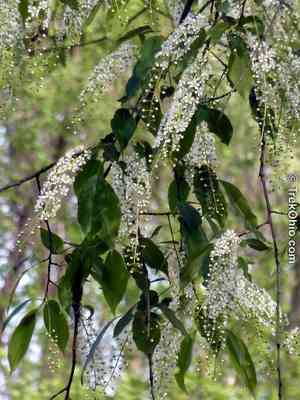
1
Black cherry trees flourish with a well-rounded plant food that includes nitrogen, phosphorus, and potassium.
2
Signs such as discolored foliage may point to a nutrient shortage in your Black cherry tree.
3
The best period to feed Black cherry trees is during springtime, right before fresh growth emerges.
Grasping the Nutritional Requirements of Black Cherry Trees
Crucial Nutrients for Development and Vitality
Similar to all plant life, Black cherry trees necessitate a balanced intake of nutrients to thrive. The primary elements vital for their development include nitrogen (N), phosphorus (P), and potassium (K), commonly known as NPK in horticulture. Nitrogen is essential for fostering robust leaf and shoot growth, phosphorus aids in root formation and flowering, and potassium assists in maintaining overall plant health by regulating various metabolic functions. Beyond these, Black cherry trees also benefit from trace elements such as magnesium, iron, and manganese, which support diverse physiological processes.
Indicators of Nutrient Deficiency in Black Cherry Trees
Detecting nutrient deficiencies early can prevent long-term harm to your Black cherry tree. Common indicators to watch for include yellowing leaves, which may signal a lack of nitrogen. If your tree's leaves are turning purple, it could be suffering from a phosphorus deficiency. Potassium deficiency often appears as browning or scorching along the leaf edges. Consistent observation and understanding these signs can help you address nutritional gaps promptly.
Selecting the Appropriate Fertilizer for Your Black Cherry Tree
Available Fertilizer Varieties
Fertilizers for Black cherry trees come in various forms, including granular, spike, liquid, and slow-release pellets. Granular fertilizers are simple to apply but require thorough watering. Fertilizer spikes offer a gradual and consistent nutrient release but might not distribute uniformly. Liquid fertilizers are rapidly absorbed by tree roots but demand more frequent application. Slow-release pellets provide a balance by gradually supplying nutrients over an extended duration.
Organic vs. Synthetic Fertilizers: Which is Optimal for Black Cherry?
When choosing between organic and synthetic fertilizers, consider your tree's requirements and environmental impact. Organic fertilizers, derived from natural sources like compost, manure, or bone meal, enhance soil health over time and are eco-friendly. They release nutrients slowly, ensuring a steady supply. Synthetic fertilizers, conversely, offer precise nutrient ratios and are readily available to plants. However, they can lead to nutrient runoff if not used correctly. For Black cherry trees, a balanced approach, potentially integrating both types, might yield the best outcomes.
When and How to Fertilize Black Cherry Trees
Optimal Time of Year for Fertilization
The ideal period to fertilize your Black cherry tree is in the spring, just before new growth emerges. During this time, the tree's metabolism accelerates, allowing it to efficiently absorb the provided nutrients. Applying fertilizer during this season supports vibrant new foliage and strengthens the tree as it prepares to bear fruit.
Step-by-Step Fertilization Procedure
Fertilizing a Black cherry tree involves several key steps to ensure effective nutrient uptake. Begin by selecting the appropriate fertilizer based on the tree's needs and soil test results. Measure the drip line of your tree, which is the extent of the canopy. Distribute the fertilizer evenly in this area, avoiding direct contact with the trunk to prevent burn. Rake the fertilizer into the top 5-8 cm (2-3 inches) of soil to ensure good soil contact. Water the area thoroughly after application to help the nutrients penetrate to the roots. Repeat this process annually or as recommended based on tree health and soil test results.
Monitoring Fertilization Effects on Black Cherry Trees
Observing Post-Fertilization Growth and Health
After fertilizing your Black cherry tree, observe its growth and health for positive changes. Look for new, green foliage and vigorous growth patterns. You may also notice increased production of flowers and fruit. Regular observations can help you identify any issues early and take corrective action as needed.
Adjusting Fertilization Practices Based on Tree's Response
Based on how your Black cherry tree reacts to fertilization, you may need to modify your practices. If the tree shows signs of nutrient deficiency or excessive growth (lanky or weak branches), re-evaluate the type and amount of fertilizer used. Soil testing can provide insights into nutrient levels and help refine your fertilization plan to keep your tree thriving.



