Optimal Fertilizer for Growing Swamp white oak: What You Need to Know
1
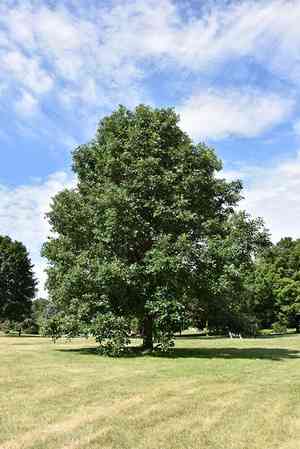
Swamp white oak thrives in adequately drained ground yet can endure intermittent inundation.
2
The optimal period to nourish Swamp white oak is in early spring, right before fresh foliage emerges.
3
Always irrigate the vicinity subsequent to fertilizer application to aid its absorption by the roots.
Grasping the Nutritional Requirements of Swamp White Oak
Fundamental Nutrient Necessities
Similar to all arboreal species, Swamp white oak necessitates a well-proportioned blend of nutrients to flourish. The primary elements needed are nitrogen (N), phosphorus (P), and potassium (K). Nitrogen fosters lush green foliage, phosphorus aids root development and blooming, and potassium enhances overall plant vigor and disease resistance. Trace elements such as magnesium, sulfur, and calcium also play vital roles but are required in lesser quantities.
Indicators of Nutrient Deficiencies
Recognizing the symptoms of nutrient deficiencies in your Swamp white oak can facilitate prompt corrective measures. Common indicators include yellowing foliage (chlorosis), stunted development, and poor leaf formation. Yellowing between leaf veins typically signals a nitrogen deficit, while leaves with darker veins and general paleness might suggest a magnesium deficiency. By regularly observing your tree, you can ensure it obtains the necessary nutrients for sustained health.
Optimal Fertilization Practices for Swamp White Oak
Ideal Fertilization Period Annually
The best time to fertilize your Swamp white oak is in early spring, just prior to the emergence of new growth. Fertilizing during this window provides the tree with a nutrient boost precisely when it's most needed, supporting robust development throughout the active growing season. Avoid fertilizing in late summer or autumn as this can stimulate new growth that may not harden off before winter, making the tree more vulnerable to cold damage.
Recommended Fertilizer Types and Blends
A balanced, slow-release fertilizer with an NPK ratio of 10-10-10 or 14-14-14 is advised for Swamp white oak. This formulation ensures a consistent nutrient supply over an extended period. Organic alternatives like compost or well-rotted manure are also beneficial, enriching the soil with microorganisms and enhancing soil structure. It's crucial to steer clear of high-nitrogen fertilizers as they can lead to excessive leaf growth at the expense of root development.
Application Methods for Efficient Nutrient Uptake
To maximize the efficacy of your fertilizer application, ensure it's uniformly distributed around the tree's drip lineâthe area directly beneath the outer perimeter of the branches. This approach targets the feeder roots where nutrient absorption is highest. Apply the fertilizer according to the manufacturer's guidelines, typically spreading it to cover the entire zone. Following application, thoroughly water the area to help dissolve the fertilizer granules and transport nutrients into the root system. Mulching the tree's base can also aid in moisture retention and further assist nutrient absorption.
Long-Term Fertilization Strategy for Swamp White Oak
Establishing a Fertilization Schedule
A long-term fertilization plan involves creating a fertilization calendar to track your tree's nutrient requirements throughout the year. Start by scheduling a spring application of a slow-release balanced fertilizer. In midsummer, consider a light application of compost to provide additional nutrients and organic matter. Finally, prepare the tree for winter by avoiding late-season fertilization, which can result in vulnerable new growth. Regularly updating your calendar and adjusting based on the tree's health and growth patterns will ensure your Swamp white oak remains healthy year after year.
Adjusting Fertilization Based on Tree Age and Condition
Your fertilization approach should adapt as your Swamp white oak matures. Young trees demand more frequent feeding to support rapid growth and establishment, while mature trees may require less frequent fertilization. Periodically assessing the tree's health is vital. If the tree exhibits signs of distress such as yellowing leaves or stunted growth, a targeted application of specific nutrients might be necessary. Conversely, if the tree is thriving, you may only need to apply fertilizer annually.
Environmental Considerations When Fertilizing Swamp White Oak
Impact on Local Wildlife and Ecosystem
When fertilizing your Swamp white oak, it's important to consider the broader ecosystem. Excessive use of chemical fertilizers can lead to nutrient runoff, contaminating local waterways and harming aquatic life. Furthermore, an imbalance of nutrients in the soil can affect other plants and wildlife in the area. Using fertilizers sparingly and according to recommended guidelines helps mitigate these risks and promotes a healthier ecosystem.
Utilizing Eco-Friendly Fertilizers
Opt for environmentally friendly fertilizers to minimize negative impacts on the environment. Organic fertilizers like compost, bone meal, and seaweed extracts provide essential nutrients without synthetic chemicals. These options not only nourish your Swamp white oak but also improve soil health over time. Additionally, local composting programs or organic gardening centers can offer valuable resources and recommendations for eco-friendly fertilization.



