Optimal Fertilizer for Growing Bur oak: What You Need to Know
1
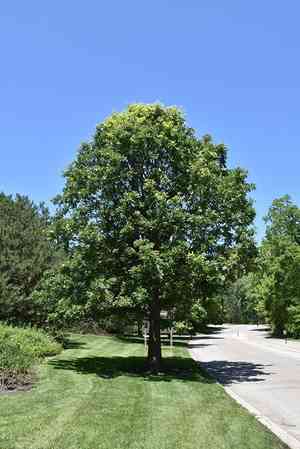
Bur oak benefits from gradual-release nutrients for a consistent, extended feeding.
2
Fertilizing Bur oak is most effective in spring to aid its vigorous development phase.
3
Excessive fertilization can damage Bur oak, leading to root scorching and diminished vitality.
The Importance of Fertilizing Bur Oak Trees
Understanding Bur Oak's Nutritional Requirements
Nourishing Bur oak trees is crucial for their robust development and longevity. These magnificent trees possess distinct dietary needs that fluctuate based on their age, size, and location. Key nutrients such as nitrogen, phosphorus, and potassium are vital for maintaining their vitality. Nitrogen promotes foliage growth, phosphorus supports root expansion, and potassium contributes to overall tree health. By comprehending these requirements, you can guarantee your Bur oak receives the appropriate nutrients at optimal times, fostering strong growth and disease resistance.
Advantages of Proper Fertilization for Bur Oak
Adequate nutrient provision significantly boosts the growth and well-being of Bur oak trees. Sufficient nutrient supply leads to a more robust root system, luxuriant foliage, and enhanced resilience against pests and diseases. Fertilized Bur oaks are more inclined to develop a sturdy and expansive canopy, offering shade and improving the landscape. Furthermore, well-nourished Bur oaks exhibit greater endurance during periods of environmental stress, such as drought or severe weather.
Selecting the Appropriate Fertilizer for Bur Oak
Suitable Fertilizer Types for Bur Oak
Choosing the correct fertilizer type is essential for Bur oak's health. Slow-release fertilizers are particularly well-suited as they deliver a consistent nutrient supply, minimizing the risk of over-fertilization. Organic options like compost or well-rotted manure are excellent choices, as they enhance soil structure and provide a balanced nutrient profile. For those preferring commercial fertilizers, a balanced, slow-release formula with an N-P-K ratio such as 10-10-10 can be advantageous.
Organic vs. Chemical Fertilizers: Which is Better for Bur Oak?
Both organic and chemical fertilizers have their pros and cons. Organic fertilizers, such as compost and manure, improve soil health by adding organic matter and beneficial microorganisms, which can boost nutrient absorption. They release nutrients gradually, offering long-term benefits. Conversely, chemical fertilizers can provide more precise nutrient content and faster results, but they must be used cautiously to prevent root burn and soil degradation. For Bur oak, a judicious combination of both can offer the best outcomes.
Optimal Times to Fertilize Your Bur Oak
Best Fertilizing Seasons for Bur Oak
The most opportune time to fertilize Bur oak trees is during the spring. In this period, Bur oaks enter their active growth phase, making nutrients more readily available and effectively utilized. Applying fertilizer in early spring supports the development of new leaves, roots, and shoots, establishing a strong foundation for the remainder of the growing season.
Indicators Your Bur Oak Requires Fertilization
Signs that your Bur oak might need fertilization include yellowing leaves, stunted development, and sparse foliage. If your tree's leaves appear pale during the growing season, this could signal a nitrogen deficiency. Smaller than usual leaves or a lack of new growth also suggest nutrient issues. Regular observation will help you determine when your Bur oak requires a nutritional boost.
How to Fertilize Your Bur Oak
Step-by-Step Fertilization Procedure
Nourishing your Bur oak doesn't have to be complex. Follow these straightforward steps:Measure the trunk diameter 1.5 meters (5 feet) above ground to ascertain the required fertilizer amount.Select a slow-release, balanced fertilizer with an N-P-K ratio like 10-10-10.Distribute the fertilizer evenly around the tree's drip line, avoiding direct contact with the trunk.Thoroughly water the area to help nutrients penetrate the soil.Apply mulch around the tree's base to retain moisture and minimize nutrient loss.
Common Errors to Avoid When Fertilizing Bur Oak
Steer clear of these frequent mistakes to ensure your Bur oak's health:Over-fertilizing: Excessive fertilizer can scorch roots and harm the tree.Applying fertilizer too close to the trunk: This can cause trunk burns and stress the tree.Neglecting to water after application: Water helps dissolve the fertilizer, making it accessible to the roots.Using high-nitrogen fertilizer late in the season: This can promote leaf growth when the tree should be preparing for dormancy.
Monitoring and Adjusting Bur Oak Fertilization
Assessing Fertilizer Efficacy Over Time
Regularly observe your Bur oak to evaluate the effectiveness of your fertilization efforts. Look for indicators of healthy growth, such as vibrant green leaves, robust shoot development, and overall vigor. Soil tests can help determine if nutrient levels are adequate or if modifications are necessary. Healthy Bur oaks should exhibit consistent growth patterns and overall vitality.
Adapting Your Fertilization Strategy Based on Growth and Health
If your Bur oak isn't responding well to fertilization, consider modifying your approach. Soil testing can reveal specific nutrient deficiencies or excesses, guiding more precise fertilization. Additionally, altering your fertilizer type or application method might be necessary. For instance, if growth remains stunted, you may need to switch to a fertilizer with a higher nitrogen content or incorporate more organic matter into the soil.



