Optimal Fertilizer for Growing Sugarcane: What You Need to Know
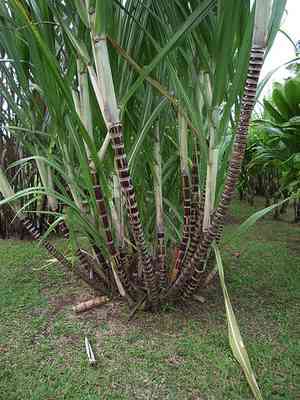
1
Sugarcane needs ample amounts of nitrogen, phosphorus, and potassium for robust development.
2
The best time to begin fertilizing Sugarcane is in the spring.
3
Consistently check soil pH to maintain a range of 5.5 to 6.5 for optimal health.
Grasping Sugarcane's Nutritional Requirements
Key Nutrients for Sugarcane
Like all crops, Sugarcane has specific dietary needs for optimal development. It flourishes on a balanced diet primarily composed of nitrogen (N), phosphorus (P), and potassium (K). These major nutrients are crucial for Sugarcane's growth, ensuring strong stalks and high sugar content. Additionally, secondary nutrients like calcium, magnesium, and sulfur, along with trace elements such as zinc and iron, are vital in smaller quantities.
The Function of NPK in Sugarcane Growth
NPK refers to the essential elements: nitrogen, phosphorus, and potassium. Nitrogen promotes foliage and stem expansion, phosphorus aids root formation and boosts disease resistance, while potassium is critical for stalk rigidity and overall plant vitality. The balanced application of NPK fertilizers significantly enhances Sugarcane's development, leading to increased yields and superior cane quality.
Selecting the Appropriate Fertilizer for Sugarcane
Organic vs. Synthetic Fertilizers
When choosing the right fertilizer for Sugarcane, you have two main choices: organic and synthetic. Organic fertilizers, derived from natural sources, enhance soil structure and microbial activity over time. Common organic options include compost, manure, and cover crops like legumes. Conversely, synthetic fertilizers offer precise nutrient compositions and are rapidly accessible to plants. Both types have advantages and should be chosen based on specific field conditions and sustainability objectives.
Recommended Fertilizer Varieties and Brands
Popular synthetic fertilizers for Sugarcane include products with balanced NPK ratios, such as a 20-10-10 blend. Brands like Scotts and Miracle-Gro provide dependable formulations for commercial use. For organic alternatives, composted manure or bone meal can supply necessary soil nutrients. Brands like Jobeâs Organics and Espoma offer certified organic mixtures that can be highly effective.
Optimal Practices for Fertilizing Sugarcane
When to Fertilize Sugarcane
The ideal time to begin fertilizing Sugarcane is in the spring when the plant enters its active growth phase. Spring application ensures that nutrients are available during critical growth and development stages. Periodic fertilizations throughout the growing season are advisable to maintain nutrient levels.
How to Apply Fertilizer to Sugarcane
Applying fertilizer to Sugarcane should be done carefully to prevent waste and ensure effectiveness. For granular fertilizers, use a broadcast spreader for uniform distribution across the field. For liquid fertilizers, consider targeted foliar applications. Always irrigate the field after fertilizing to help nutrients penetrate the soil and reach the roots.
Monitoring Plant Response and Adjusting Fertilization
Regular observation of your Sugarcane plants is essential to understand their reaction to fertilization. Look for signs of nutrient deficiencies such as yellowing leaves, stunted growth, or poor stalk development. Soil testing every few months can help determine nutrient levels and soil pH, allowing you to modify fertilization practices as needed. This proactive approach ensures your plants remain healthy and productive.
Common Errors to Avoid in Sugarcane Fertilization
Over-fertilizing and Its Impact on Sugarcane
While it might seem that more fertilizer would lead to better growth, excessive fertilization of Sugarcane can have harmful effects. Too much nitrogen, for instance, can result in lush foliage but weak stalks, making the plant more vulnerable to pests and diseases. Over-fertilization can also lead to nutrient runoff, which can harm the environment.
Neglecting Soil Health and pH Levels
Ignoring the overall health of your soil can undermine your fertilization efforts. Sugarcane thrives in soils with a pH between 5.5 and 6.5. Testing soil pH and adding lime or sulfur to adjust levels is crucial. Incorporating organic matter, such as compost, can improve soil structure and microbial activity, making nutrients more accessible to the plants.



