Optimal Fertilizer for Growing Japanese skimmia: What You Need to Know
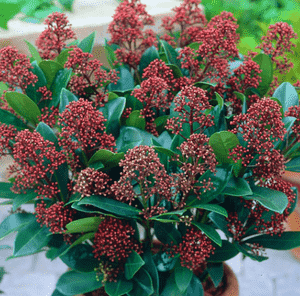
1
Applying fertilizer to Japanese skimmia in early spring yields optimal outcomes, aligning with its period of vigorous development.
2
Japanese skimmia thrives with a balanced plant food, such as one with a 10-10-10 or 14-14-14 NPK ratio, for strong development.
3
Observe your Japanese skimmia after feeding for healthy green foliage and steady new shoots, confirming its good health.
Grasping Japanese Skimmia's Fertilization Requirements
The Significance of Proper Nutrient Equilibrium
Nourishing your Japanese skimmia involves more than just providing sustenance; it's about sustaining a delicate nutrient balance for optimal development. Like many shade-loving, evergreen shrubs, Japanese skimmia flourishes with a specific nutrient blend to fortify its foliage and resilience. A lack or surplus of vital nutrients can hinder its vigor, leading to stunted growth or discoloration. Correct fertilization practices support healthy roots, enhance blooming potential, and ensure your plant stays lush and vibrant year-round.
Identifying Deficiency Indicators in Japanese Skimmia
Early recognition of deficiency symptoms can be crucial for Japanese skimmia care. When this plant lacks essential nutrients, it might show signs like yellowing leaves (chlorosis), poor blooming, or reduced growth. If you observe any of these indicators, it signals that your plant requires immediate attention. Japanese skimmia leaves should typically be a deep green; any deviation can suggest a need for nutritional adjustment. Prompt identification and correction of nutrient deficiencies are vital to prevent long-term harm and promote robust health.
Selecting the Appropriate Fertilizer for Japanese Skimmia
Organic Versus Synthetic Fertilizers
Deciding between organic and synthetic fertilizers can be a critical choice for Japanese skimmia caregivers. Organic fertilizers, derived from natural sources like compost or manure, gradually release nutrients and enhance soil health through increased microbial activity. Conversely, synthetic fertilizers offer a rapid nutrient boost and precise nutrient ratios. Both types have advantages; organic options feed the soil slowly and sustainably, while synthetics deliver quicker outcomes. The ideal selection depends on your immediate needs and long-term plant care strategy.
Recommended NPK Ratio for Japanese Skimmia
Japanese skimmia benefits most from a balanced fertilizer with an NPK ratio of 10-10-10 or 14-14-14. These ratios signify equal parts of nitrogen (N), phosphorus (P), and potassium (K), essential for balanced growth. Nitrogen encourages leafy development, phosphorus is crucial for root formation and flowering, and potassium ensures overall plant well-being. Utilizing such ratios helps maintain consistent growth and prevents the depletion of any single nutrient, thereby keeping the Japanese skimmia healthy and vibrant throughout its growth cycle.
Applying Fertilizer to Japanese Skimmia
Optimal Time of Year for Fertilization
The best time to fertilize Japanese skimmia is in early spring, just as new growth commences. This timing ensures the plant receives the nutrients it needs during its most active growth phase. Applying fertilizer in spring boosts the plant's energy reserves, promoting lush foliage and abundant flowering throughout the growing season. Additionally, avoid fertilizing late in the growing season, as this can stimulate new growth vulnerable to winter frost.
Step-by-Step Fertilization Procedure
Fertilizing Japanese skimmia involves several straightforward steps: 1. Clear the Soil Surface: Remove any debris or mulch from around the plant's base. 2. Measure the Fertilizer: Adhere to the recommended dosage on the fertilizer packaging, typically around 56 grams (2 ounces) per square meter (yard). 3. Even Application: Distribute the fertilizer uniformly around the root zone, avoiding direct contact with the plant stem. 4. Water Thoroughly: After application, water the plant generously to help dissolve the fertilizer and aid nutrient absorption.
Frequency of Fertilizing Japanese Skimmia
Japanese skimmia generally requires fertilization twice annually. An initial application in early spring initiates the plant's growth season, while a second, lighter feeding in mid-summer ensures continued vigor. However, excessive fertilization can harm the plant, leading to nutrient burn or overly rapid growth susceptible to disease. Observing the plant's health and growth patterns helps determine if an additional feeding is necessary.
Monitoring Japanese Skimmia Health After Fertilization
Observing Changes in Growth and Development
Regularly monitor your Japanese skimmia after fertilization to assess its response. Look for indicators of healthy growth, such as vibrant green leaves, new shoots, and plentiful blooms. Conversely, watch for potential issues like yellowing leaves or weak growth, which could signal over-fertilization or underlying problems. Consistent observation helps ensure the plant is benefiting from the nutrients and guides any necessary adjustments in care.
Adjusting Care Based on Plant's Reaction
Adapting your care routine based on the Japanese skimmia's response to fertilization is crucial. If the plant shows positive signs of growth and health, maintain your current fertilization schedule. However, if adverse symptoms appear, consider soil testing to diagnose potential nutrient imbalances. You may need to adjust the fertilizer type or application rate. Proactive care and a willingness to modify your approach ensure that your Japanese skimmia remains healthy and thriving.



