Optimal Fertilizer for Growing Malabar plum: What You Need to Know
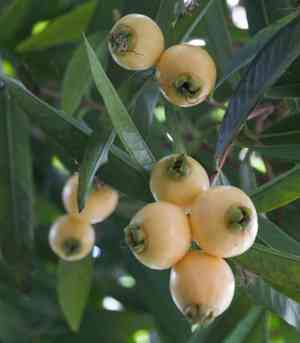
1
Applying fertilizer to Malabar plum in springtime promotes strong development and plentiful fruit production.
2
Well-balanced NPK fertilizers, such as a 10-10-10 blend (Nitrogen-Phosphorus-Potassium), are perfect for Malabar plum.
3
Excessive fertilization may result in scorched leaves and diminished fruit quality.
Understanding the Nutritional Requirements of Malabar plum
Key Macro-nutrients for Malabar plum Development
For the Malabar plum, the primary large-scale nutrients needed are Nitrogen (N), Phosphorus (P), and Potassium (K). Nitrogen is vital for leaf and stem growth, ensuring a strong plant structure. Phosphorus aids root growth and blooming, which then impacts fruit quality and yield. Potassium supports overall plant vitality, disease resistance, and fruit production. With balanced nutrients, your Malabar plum will flourish and yield juicy, flavorful fruits.
Crucial Micro-nutrients and Their Advantages
While macro-nutrients form the foundation of plant nutrition, micro-nutrients are equally essential for the optimal health of your Malabar plum. Important trace elements include Iron (Fe), Manganese (Mn), Zinc (Zn), and Boron (B). Iron assists chlorophyll production, ensuring vibrant green foliage. Manganese is crucial for photosynthesis, while Zinc promotes stem elongation and leaf expansion. Boron is necessary for cell wall formation and reproductive development. A lack of any of these micro-nutrients can hinder growth and negatively affect fruiting.
The Influence of Soil pH on Nutrient Uptake
Soil pH significantly impacts nutrient availability and absorption. For Malabar plum, a slightly acidic to neutral pH (6.0 - 7.0) is ideal. If the soil is too acidic or alkaline, certain nutrients become less accessible. For example, in highly acidic soils, phosphorus becomes immobile, reducing its availability to plants. Regular testing and adjustment of soil pH ensure nutrients remain accessible to your Malabar plum, promoting consistent growth and abundant harvests.
Selecting the Appropriate Fertilizer for Malabar plum
Organic Versus Synthetic Fertilizers: Advantages and Disadvantages
Both organic and synthetic fertilizers have their benefits. Organic fertilizers, such as compost and manure, enhance soil structure and encourage beneficial microbes. They release nutrients gradually, minimizing the risk of over-fertilization. However, they may be less nutrient-dense and take longer to show results. Synthetic fertilizers, conversely, offer immediate nutrient availability and are simple to apply. Yet, they can harm soil health over time and pose a higher risk of nutrient runoff. The right choice depends on your specific Malabar plum needs and gardening preferences.
Recommended Fertilizer Types and Brands
For Malabar plum, balanced fertilizers with an NPK ratio of 10-10-10 or 14-14-14 are highly suggested. Brands such as Miracle-Gro, Espoma, and Jobe's provide suitable options. For organic choices, consider products like Dr. Earth or Down to Earth that offer well-balanced nutrients with the added benefits of improved soil health. It's important to choose reputable brands to ensure the quality and effectiveness of the fertilizers.
How to Determine the Correct Fertilizer Ratio
Determining the correct fertilizer ratio depends on understanding your plant's specific needs and soil test results. A soil test reveals existing nutrient levels, guiding your fertilizer selection. Generally, for Malabar plum, a balanced ratio of equal parts Nitrogen, Phosphorus, and Potassium (e.g., 10-10-10) works well. However, during fruiting, you might want to switch to a fertilizer with higher Potassium (e.g., 5-10-10) to support fruit development. Adjustments should be based on plant performance and soil conditions.
Effective Fertilization Techniques for Malabar plum
Optimal Time to Fertilize Malabar plum
The best time to fertilize your Malabar plum is in spring. This period aligns with the plant's active growth phase, ensuring nutrients are used efficiently. A second feeding can be done in late summer to support continued growth and fruiting. Avoid fertilizing in late fall or winter as the plant enters dormancy and nutrient uptake is minimal.
Step-by-Step Guide to Applying Fertilizer
Begin by thoroughly watering the soil around your Malabar plum. This prevents root burn from concentrated fertilizer.Measure the recommended amount of fertilizer based on package instructions and plant size.Evenly distribute the fertilizer in a ring around the base of the plant, avoiding direct contact with the trunk.Lightly rake the fertilizer into the top layer of soil to ensure even distribution.Water the area again to activate the fertilizer, enabling nutrient absorption.
Common Fertilization Errors to Avoid
Over-fertilization can be harmful, leading to nutrient runoff and potential plant damage. Always adhere to recommended dosages.Under-fertilizing may result in nutrient deficiencies, negatively impacting growth and fruit production.Applying fertilizer too close to the trunk can harm the plant. Ensure it is spread in a ring around the plant base.Neglecting to water after fertilizing can hinder nutrient absorption. Always water the soil post-application.
Monitoring Malabar plum Health After Fertilization
Indicators of Sufficient Fertilization
A well-fertilized Malabar plum displays lush green foliage, vigorous growth, and abundant flowering and fruiting. New leaves should be vibrant and free from yellowing or spots. Consistent growth and fruit setting are positive signs of adequate fertilization. Observing these indicators helps assess the effectiveness of your fertilization routine.
Identifying Symptoms of Over-fertilization
Signs of over-fertilization include leaf burn, where leaf edges turn brown and crispy. You might also notice stunted growth, wilting, and poor fruit quality. White crusts on the soil surface are a clear sign of excess fertilizer salts. Early detection and prompt action, such as flushing the soil with water, can minimize damage.
Adjusting Fertilization Practices Based on Plant Response
If your Malabar plum shows signs of nutrient deficiency or excess, modify your fertilization practices accordingly. Yellowing leaves indicate a nitrogen deficiency, requiring an increase in nitrogen-rich fertilizer. Conversely, if over-fertilization symptoms are present, reduce fertilizer application and consider switching to a slow-release formula. Regular soil testing and observation are crucial for fine-tuning your approach for optimal plant health.



