Optimal Fertilizer for Growing Black-eyed susan vine: What You Need to Know
1
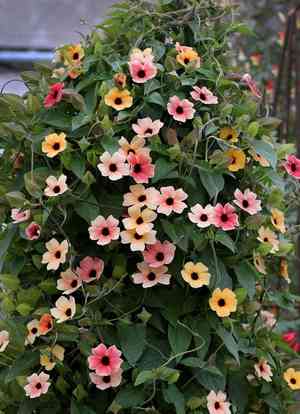
Black-eyed Susan vines thrive with a 10-10-10 balanced plant food during their active growth phase.
2
Excessive feeding can result in abundant leaves but reduced blooms, thus restraint is crucial.
3
The optimal period to nourish your Black-eyed Susan vine is from early to mid-summer.
Understanding Nutrient Requirements for Black-eyed Susan Vine
The Importance of Nutrients for Plant Vitality
Nutrients are crucial for plant health and development. For Black-eyed Susan vine, key elements like nitrogen, phosphorus, and potassium are indispensable. Nitrogen promotes lush green foliage, phosphorus is vital for bloom production, and potassium ensures strong roots and overall plant vigor. A balanced nutrient regimen supports a flourishing Black-eyed Susan vine.
Recognizing Deficiency Symptoms in Black-eyed Susan Vine
Identifying nutrient deficiencies in your Black-eyed Susan vine is essential for prompt action. Observe for indicators such as yellowing leaves, stunted growth, and reduced flowering. Yellowing leaves often signal a nitrogen shortage, while poor bloom development suggests a phosphorus deficit. Spotting these signs allows you to modify fertilization to restore plant health.
Selecting the Appropriate Fertilizer for Black-eyed Susan Vine
Organic vs. Synthetic Fertilizers: Advantages and Disadvantages
The choice between organic and synthetic fertilizers depends on your gardening philosophy. Organic options, like compost and manure, enhance soil quality and release nutrients gradually. They are environmentally friendly but may lack precise nutrient ratios. Synthetic fertilizers offer specific nutrient compositions and rapid results but can degrade soil over time. Weighing these pros and cons helps in making an informed decision for your Black-eyed Susan vine.
Specific Nutrient Blends for Black-eyed Susan Vine
For Black-eyed Susan vine, a balanced 10-10-10 (N-P-K) fertilizer is recommended during the active growth period. This balanced formula supports optimal development, ensuring the plant receives equal proportions of nitrogen, phosphorus, and potassium. Additionally, slow-release fertilizers are beneficial as they provide a consistent nutrient supply over time, minimizing the risk of over-fertilization.
Optimal Fertilization Practices for Black-eyed Susan Vine
Application Frequency: How Often to Fertilize
To maintain a healthy Black-eyed Susan vine, fertilize every 4-6 weeks during the growing season, primarily in summer. Avoid fertilizing during the dormant winter months as the plant's nutrient absorption is minimal. Consistent yet spaced applications ensure steady growth and prevent nutrient burn.
Applying Fertilizer: Methods for Uniform Distribution
Proper application ensures your Black-eyed Susan vine receives necessary nutrients without excessive concentration in one area. Water-soluble fertilizers can be applied via watering cans for even spread. Granular fertilizers should be uniformly scattered on the soil surface and lightly incorporated, followed by thorough watering to help nutrients reach the root zone.
Seasonal Adjustments in Fertilizing Black-eyed Susan Vine
Seasonal modifications are necessary to align with the plant's growth cycle. In early to mid-summer, using a balanced fertilizer promotes growth and blooming. As growth slows towards late summer, reduce the frequency and amount of fertilizer to prevent over-fertilization, which can lead to excessive foliage but fewer flowers.
Monitoring Plant Response to Fertilization
What to Observe After Fertilizing Black-eyed Susan Vine
After fertilizing, observe your Black-eyed Susan vine for indications of improved health and growth. Look for vibrant green leaves, increased blooming, and overall vigorous development. If the plant exhibits signs of stress, such as wilting or yellowing foliage, re-evaluate your fertilization strategy and adjust accordingly.
Modifying Fertilization Practices Based on Plant Condition
Plant response to fertilization offers valuable feedback. If your Black-eyed Susan vine is thriving, maintain the current schedule. If issues arise, such as nutrient burn or deficiencies, adapt your approach. Reduce frequency or switch to a different fertilizer type based on the plant's requirements, ensuring a tailored care strategy for optimal growth.



