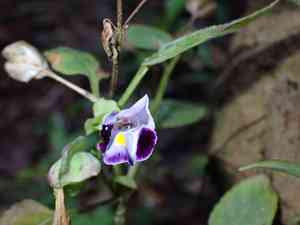
Optimal Fertilizer for Growing Wishbone flower: What You Need to Know
1
Wishbone flowers flourish in locations with partial to full shade, making them ideal for indoor containers.
2
Excessive fertilization can result in abundant leaves but reduced blooms in Wishbone flowers.
3
The optimal period to begin feeding Wishbone flowers is in the early part of summer.
Grasping the Nutritional Requirements of Wishbone flower
Significance of Nitrogen, Phosphorus, and Potassium
The primary nutrients crucial for the well-being of Wishbone flower are Nitrogen (N), Phosphorus (P), and Potassium (K), collectively known as NPK. Nitrogen is vital for abundant foliage, aiding in the development of robust leaves. Phosphorus is essential for the formation of strong root systems and plentiful blossoms, which is especially important for a flowering plant like the Wishbone flower. Potassium ensures overall plant vitality and resistance to diseases. A balanced approach to NPK guarantees your plant flourishes, producing beautiful flowers throughout its active growth period.
Micronutrients Crucial for Wishbone flower Health
While NPK forms the foundation of plant nutrition, micronutrients also play a significant role in the health of Wishbone flower. Elements such as iron, manganese, zinc, copper, and boron are needed in smaller quantities. These micronutrients support various physiological processes that contribute to the plant's capacity to absorb and utilize the main macronutrients. For instance, iron is critical for chlorophyll production, ensuring the plant maintains its vibrant green hue, while zinc contributes to flower and fruit development.
Selecting the Appropriate Fertilizer for Wishbone flower
Comparing Organic and Synthetic Fertilizers
When deciding between organic and synthetic fertilizers for your Wishbone flower, it's important to weigh the advantages and disadvantages of each. Organic fertilizers, such as compost, manure, or fish emulsion, originate from natural sources and often enhance soil quality over time. They release nutrients gradually, ensuring the plant receives sustained nourishment. However, they can sometimes lack a precise nutrient balance. Synthetic fertilizers, conversely, provide an immediate surge of nutrients in a specific NPK ratio, which can be beneficial for targeted feeding. The drawback is that they may lead to nutrient runoff and do little to improve soil structure long-term.
Suitable NPK Ratios for Wishbone flower
For Wishbone flower, a balanced fertilizer with an NPK ratio of approximately 10-10-10 or 20-20-20 can be effective. These balanced formulations ensure the plant receives equal parts of each macronutrient, promoting overall development. If you aim to boost flowering, a fertilizer with a slightly higher phosphorus content, such as 10-15-10, might be advantageous. This ratio enhances blossom production, causing your Wishbone flower to bloom more profusely during its growing season.
Optimal Fertilizing Methods for Wishbone flower
Best Times to Fertilize and Frequency
The ideal time to begin fertilizing your Wishbone flower is in early summer, coinciding with its active growth phase. It's generally best to fertilize every 2-4 weeks during the growing season. Be sure to consult the instructions on the fertilizer packaging for the exact frequency and amount. During the blooming period, feeding every two weeks can help sustain the plant's energy for producing flowers. As autumn approaches, you can reduce fertilizing as the plant enters a more dormant state.
Application Techniques: Soil versus Foliar
There are primarily two ways to apply fertilizer to your Wishbone flower: soil application and foliar feeding. Soil application involves mixing the fertilizer with water and applying it directly to the soil around the plant's base. This method is effective for delivering nutrients to the roots. However, foliar feeding, which involves spraying a diluted fertilizer solution directly onto the leaves, can offer a quick nutrient boost. This method is particularly useful when the plant shows signs of nutrient deficiency and requires an immediate remedy. It's essential to ensure proper dilution to avoid damaging the foliage.
Common Fertilizing Errors to Avoid with Wishbone flower
Over-Fertilization Risks and Symptoms
Over-fertilizing your Wishbone flower can lead to a range of issues, from nutrient burn to stunted growth. Excessive nitrogen, in particular, can result in lush, green foliage at the expense of flowers. Symptoms of over-fertilization include yellowing leaves, leaf drop, and crusty soil. It's crucial to adhere to the recommended guidelines and resist the urge to feed the plant too much in hopes of faster growth.
Addressing Fertilizer Burn in Wishbone flower
If your Wishbone flower exhibits signs of fertilizer burn, such as browning leaf edges or scorched tips, it's essential to act promptly. Begin by flushing the soil with ample water to wash away the excess nutrients. Ensure the plant pot has adequate drainage to prevent waterlogging. Additionally, you might need to trim the damaged foliage to encourage new, healthy growth. Reducing the frequency and concentration of your fertilizer applications can help prevent this problem in the future.



