Enhancing Your Garden Design with the White fir Plant: A Landscaping Guide
1
White fir provides continuous aesthetic value due to its appealing leaves that transform throughout the year.
2
Thoughtfully positioning White fir can improve the entire layout and utility of your outdoor space.
3
White fir delivers many ecological advantages, such as improving air purity and sustaining native fauna.
Introduction to the Aesthetic Appeal of White fir
Unveiling the visual attributes: What makes White fir a landscaping favorite?
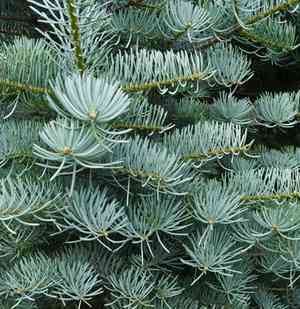
A primary reason White fir remains a top landscaping choice is its stunning visual appeal. With a rich green canopy that gracefully sways in the wind, White fir ensures your garden is a year-round visual delight. This plant features soft, needle-like leaves that add elegant texture to any landscape. Its symmetrical growth and striking silhouette also make it a garden focal point, effortlessly drawing the eye. Whether as a standalone centerpiece or part of an intricate design, White fir consistently delivers beauty and elegance.
Seasonal changes: How does White fir's appearance transform through the seasons?
White fir isn't just a one-season wonder; it offers a dynamic visual display throughout the year. In spring, its fresh new growth gleams with a lighter, almost blue-green hue, deepening over summer. Fall and winter bring a darker, more mature green that beautifully contrasts autumn foliage and winter snowscapes. This seasonal transformation keeps your landscape vibrant and ever-changing, ensuring White fir remains an engaging and delightful presence in your garden across all seasons.
Incorporating White fir in Landscape Design
Ideal locations for planting White fir: Maximizing visual impact
Choosing the right location for White fir can significantly enhance its landscape contribution. Given its potential for substantial height, White fir is best planted where it can take center stage without overshadowing other plants. Consider placing it as a backdrop for smaller, more colorful flowers, or as a border plant along pathways and driveways. Its robust presence can also serve as a natural privacy screen when strategically planted. The key is ensuring White fir has ample space to reach its full potential while considering its role within the garden's overall design.
Complementary plants: What works well with White fir?
Pairing White fir with suitable complementary plants can elevate your garden's aesthetic appeal. Due to its lush green foliage, White fir pairs wonderfully with plants offering contrasting colors and textures. Consider planting vibrant perennials like lavender or daylilies at its base, or colorful shrubs like hydrangeas and azaleas nearby. Ornamental grasses also provide excellent textural contrast, adding movement and variety to your landscape. Combining White fir with these complementary plants can create a harmonious and visually appealing garden design.
The Practical Benefits of Choosing White fir
Durability and longevity: How White fir stands the test of time
A major advantage of incorporating White fir into your landscape is its remarkable durability and longevity. White fir is a hardy plant capable of withstanding various weather conditions, including harsh winters and dry summers. With proper care, it can thrive for many years, providing lasting beauty and structure to your garden. This resilience means less replacement and maintenance over time, making White fir a cost-effective choice for homeowners seeking long-term landscaping solutions.
Environmental advantages: How does White fir contribute to the local ecosystem?
White fir is not only an aesthetic asset but also an ecological boon. It plays a vital role in the local ecosystem by providing shelter and food for wildlife. Birds can nest in its branches, while its foliage offers protection for small mammals. Furthermore, White fir helps improve air quality by absorbing pollutants and releasing oxygen. Its deep root systems help stabilize the soil, reducing erosion and promoting overall soil health. By incorporating White fir into your landscape, you are contributing to a healthier and more balanced local environment.
Maintenance Tips for White fir
Basic maintenance guidelines to enhance White fir's growth and health
Maintaining White fir in a healthy and thriving state is relatively straightforward with a few simple practices. Ensure it's planted in well-draining soil to prevent root rot. Regular watering is essential, especially during the first few years of growth, though once established, White fir becomes more drought-tolerant. Fertilize annually with a balanced fertilizer to promote robust growth. Pruning is generally minimal, but removing dead or damaged branches helps maintain its shape and encourage healthy new growth.
Troubleshooting common challenges associated with White fir
Like any plant, White fir can face certain challenges. Common issues include needle drop, often a sign of stress or poor soil conditions, which can be mitigated by ensuring proper watering and soil health. Pests such as aphids and caterpillars can occasionally be a problem but can usually be managed with natural predators or treatments like neem oil. Monitoring for signs of disease, such as rusts or blights, and addressing them promptly with appropriate fungicides is crucial. Regularly inspecting your White fir and taking swift action can prevent these issues from becoming severe.



