Enhancing Your Garden Design with the Momi fir Plant: A Landscaping Guide
1
Momi fir presents a superb option for gardeners aiming to introduce continuous visual appeal to their outdoor spaces.
2
Flourishing in soil that drains effectively, Momi fir needs little upkeep after it has settled in.
3
Incorporating Momi fir into your garden can greatly enhance local ecological diversity by offering shelter and sustenance.
Introducing Momi Fir for Landscaping
Overview of Momi fir and its distinct characteristics making it suitable for landscaping
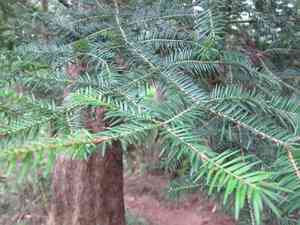
Momi fir, a robust and adaptable evergreen, is a favored option for landscaping due to its impressive size and strong nature. This conifer features rich, dark-green needles that offer year-round visual appeal. Its thick foliage and balanced form contribute to its beauty, making it a striking centerpiece in gardens. Furthermore, Momi fir is known for its ability to flourish in diverse environmental conditions, further cementing its reputation as a versatile and dependable landscaping plant.
Briefly explore the aesthetic appeal of Momi fir
The visual charm of Momi fir stems from its elegant, conical shape and vibrant greenery. Its deep green needles provide a stark contrast to deciduous plants, especially during colder months. When strategically placed, Momi fir can act as a grand focal point or a complementary background, enhancing your garden's overall visual harmony. Its towering presence can add depth and dimension, making even smaller areas feel more expansive.
Optimal Conditions for Momi Fir Cultivation
Climate preferences for optimal growth
Momi fir thrives in climates with moderate to cool temperatures, reflecting its native environment. It performs best in areas with ample precipitation and distinct seasons, though it can endure brief dry spells once established. Ensuring Momi fir is planted in a location receiving partial to full sunlight will encourage healthy development and maintain its vibrant appearance.
Soil requirements and texture for healthiest growth
For the healthiest growth, Momi fir prefers well-drained, slightly acidic to neutral soils. While it can adapt to various soil types, from sandy loam to clay, ensuring proper drainage is vital to prevent root rot and other moisture-related issues. Enriching soil with organic matter, such as compost, can improve its structure and fertility, promoting vigorous growth for your Momi fir.
Designing with Momi Fir in Mind
Momi fir's height and shape in garden layouts
Momi fir's impressive height and conical form make it a natural choice for prominent positions in your garden design. It can be effectively used as a specimen tree, drawing attention and creating vertical interest. Additionally, its dense foliage can serve as a natural privacy screen or windbreak when planted in rows. Balance Momi fir's towering presence by incorporating lower-growing shrubs and perennial plants around its base, creating a layered effect that adds depth and complexity to your garden layout.
Complementary plants and elements that enhance Momi fir's beauty in a landscape
Pairing Momi fir with complementary plants can enhance its beauty and contribute to a cohesive landscape design. Consider underplanting with shade-tolerant groundcovers, such as ferns or hostas, which can thrive in the dappled sunlight beneath Momi fir's canopy. Adding flowering shrubs, like rhododendrons or azaleas, can introduce bursts of color and contrast, further accentuating Momi fir's evergreen foliage. Hardscape elements, like stone pathways or wooden benches, can also complement Momi fir's natural elegance, creating inviting garden spaces.
Momi Fir Maintenance Tips for Landscapes
Seasonal care practices to keep Momi fir thriving
To keep Momi fir flourishing year-round, it's crucial to implement seasonal care practices tailored to its needs. In spring, check for new growth and apply a balanced, slow-release fertilizer to support its vitality. During summer, ensure consistent watering during dry spells, as Momi fir benefits from regular moisture. In autumn, remove any fallen needles and debris from its base to prevent fungal problems. Winter preparation includes mulching the base to protect roots from extreme cold and applying anti-desiccant sprays to reduce needle moisture loss.
Common challenges and troubleshooting tips
While Momi fir is relatively low-maintenance, it's not immune to issues. Common problems include needle blight, root rot, and scale insects. Regularly monitoring your Momi fir for any unusual changes in foliage color or texture can aid in early detection. Pruning away infected branches and applying appropriate fungicides can combat needle blight. Ensuring good drainage and avoiding overwatering can prevent root rot. For insect infestations, introducing beneficial insects like ladybugs or using horticultural oils can effectively manage pests.
Environmental Impact of Including Momi Fir in Your Garden
Benefits to local biodiversity
Incorporating Momi fir in your garden can provide significant advantages for local biodiversity. Its dense foliage offers habitat for birds and small mammals, providing shelter and nesting sites. Additionally, Momi fir's pollen and seeds serve as food sources for various wildlife species, enriching the ecological network within your garden. Supporting biodiversity through the inclusion of Momi fir can create a more resilient and dynamic landscape.
Considerations for sustainable gardening practices
Practicing sustainability when cultivating Momi fir helps preserve environmental health. Implementing organic gardening methods, such as using natural fertilizers and avoiding chemical pesticides, can lessen harmful impacts on local ecosystems. Mulching around Momi fir can conserve soil moisture and suppress weeds, minimizing the need for excessive watering and herbicides. By prioritizing sustainability, you can ensure that Momi fir thrives while contributing positively to the environment.



