Enhancing Your Garden Design with the Grand Fir Plant: A Landscaping Guide
1
Grand Fir may reach heights of 300 feet in its native habitat, making it an impressive option for expansive areas.
2
Appropriate positioning of Grand Fir prevents it from dominating adjacent flora or buildings.
3
Consistent care, such as trimming and checking for insects, is crucial for maintaining your Grand Fir's well-being.
Introducing Grand Fir in Landscape Design
Grand Fir's visual appeal and dimensions
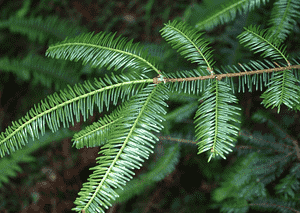
The most striking feature of Grand Fir is its impressive size. This magnificent tree can reach up to 300 feet in its natural habitat, though it typically grows to about 100 feet in cultivated areas. Its tall, slender form and balanced silhouette lend an air of sophistication and majesty to any garden. Its deep green needles provide rich color and texture, creating a lush backdrop for other plants.
Seasonal transformations and visual interest of Grand Fir
Grand Fir offers year-round aesthetic appeal, making it a constant evergreen presence in gardens. Its needles maintain their vibrant color throughout all seasons, and the tree also develops attractive cones as it matures. In winter, the needles adopt a slightly lighter shade, creating a beautiful contrast with snow-covered landscapes. This continuous display ensures your garden remains captivating and visually engaging throughout the year.
Typical applications of Grand Fir in public and private settings
Grand Fir is a versatile plant frequently utilized in various landscaping endeavors. In public areas like parks and urban green spaces, it serves as an impressive focal point and offers much-needed shade. In private gardens, it's commonly employed as a windbreak or privacy screen due to its dense foliage. Many landscape designers also use Grand Fir to define properties and establish natural boundaries, giving homes a distinguished, well-structured appearance.
Choosing the Ideal Location for Grand Fir
Considering soil type and light requirements
For optimal growth, Grand Fir needs slightly acidic, well-drained soil. It thrives in full sun but can endure partial shade, though insufficient sunlight may hinder its growth. Ensuring proper soil conditions and adequate sunlight helps the tree establish itself more firmly and contributes to its long-term vitality.
Space considerations for Grand Fir's development
Given its potential height and spread, available space is a critical factor when planting Grand Fir. Ensure there's ample room for it to grow without encroaching on other plants or structures. Ideally, plant Grand Fir in a spacious open area where it can truly flourish, becoming a prominent feature in your landscape without causing issues like shading out other plants or growing too close to buildings.
Proximity to other vegetation and structures
The distance from structures and other plants should be carefully evaluated. Plant Grand Fir at least 20 feet away from buildings to prevent root interference and avoid future problems as it expands. Similarly, provide sufficient space between Grand Fir and other plants, especially smaller shrubs and flowers, to ensure it doesn't impede their growth.
Integrating Grand Fir into Thematic Garden Designs
Creating focal points with Grand Fir
Grand Fir serves as an excellent focal point in any garden design. Position it strategically to draw attention, such as at the center of a circular flower bed or as the main feature in a front yard. The commanding presence of Grand Fir will naturally become the highlight of your landscape, inviting admiration from guests and passersby.
Pairing Grand Fir with complementary plants
Combining Grand Fir with complementary plants enhances its beauty and fosters a more cohesive garden design. Consider planting low-growing shrubs or ground covers that thrive in similar soil conditions to create an attractive understory. Flowers with contrasting colors, such as azaleas or rhododendrons, can also complement the deep green needles of Grand Fir, adding diversity and extra visual appeal.
Thematic color palettes and seasonal considerations
The deep green of Grand Fir can serve as a beautiful backdrop for various color schemes. In a winter garden, pair Grand Fir with red-berried plants like holly for a festive look. During spring and summer, bright blooms like tulips and daffodils contrast well with Grand Fir's dark needles. Consider how the colors of surrounding plants will change with the seasons to maintain visual interest year-round.
Maintenance Advice for Grand Fir Longevity and Health
Basic grooming and pruning for optimal growth
Regular grooming and pruning are essential for maintaining the shape and health of Grand Fir. Prune any dead or diseased branches as soon as you notice them to prevent the spread of issues. It's best to perform major pruning during the dormant season to minimize stress on the tree. Also, remove any lower branches that may obstruct walking areas or obscure other plants.
Seasonal care essentials
Grand Fir requires different care depending on the season. In spring, apply a balanced fertilizer to promote healthy growth. During dry periods, ensure the tree receives adequate water, but avoid over-watering as this can lead to root rot. In fall, a layer of mulch can help retain soil moisture and provide root insulation as temperatures drop.
Monitoring for pests and diseases specific to Grand Fir
Keep an eye out for common pests and diseases that could impact Grand Fir, such as aphids, spider mites, and root rot. Regularly inspect the tree for signs of trouble, like discolored needles or unusual growths. Early detection and treatment are crucial in keeping your Grand Fir healthy. Using organic pest control methods whenever possible will reduce environmental impact.
Utilizing Grand Fir in Environmental and Eco-Friendly Gardens
Benefits of Grand Fir in eco-sustainability initiatives
Grand Fir can play a significant role in eco-sustainability projects due to its long lifespan and ability to sequester carbon. Planting Grand Fir contributes to reducing greenhouse gases and improves air quality. By choosing Grand Fir for your garden, you're not only enhancing its beauty but also supporting environmental health.
Contributing to local wildlife and ecosystem
Grand Fir provides a habitat and food source for local wildlife. Birds may find shelter in its branches, while its cones provide seeds for various animals. Incorporating Grand Fir into your garden supports the local ecosystem by offering a natural resource for many species.
Water conservation practices with Grand Fir
While Grand Fir does need regular watering, especially when young, it is relatively drought-tolerant once established. Implementing water conservation practices, such as using mulch to retain soil moisture and installing efficient irrigation systems, can help maintain Grand Fir's health while conserving this precious resource. Additionally, its root system can help stabilize soil and reduce erosion.



