Enhancing Your Garden Design with the Pearl acacia Plant: A Landscaping Guide
1
Pearl acacia provides both visual charm and functional advantages for your outdoor space.
2
Grasping the growth patterns and yearly requirements of Pearl acacia is essential for its successful incorporation.
3
Consistent upkeep guarantees Pearl acacia stays robust and keeps delivering ecological advantages.
Introducing Pearl acacia to Your Garden
Understanding the Growth Habits of Pearl acacia
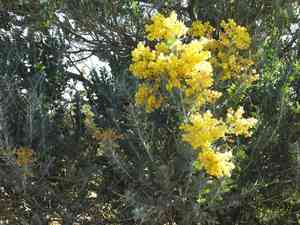
Prior to planting Pearl acacia, it's crucial to grasp its growth patterns. Pearl acacia typically develops as a shrub or small tree, reaching heights of up to 5 meters. It boasts a dense canopy of silver-grey foliage and vibrant yellow blossoms that appear from late winter to early spring. This plant grows relatively quickly and can rapidly fill empty garden spaces, providing a lush, full appearance to your landscape.
Seasonal Considerations When Planting Pearl acacia
Planting Pearl acacia demands attention to the seasons. The optimal period to introduce Pearl acacia into your garden is during the cooler months of autumn or early winter. This timing allows the plant to establish its root system before the arrival of hot, arid conditions. Blooming occurs in late winter, offering a burst of color when many other plants are still dormant.
Ideal Soil Types for Thriving Pearl acacia
Pearl acacia flourishes in well-drained soils but can tolerate various soil types, from sandy loam to clay. For peak growth, ensure the soil is slightly acidic to neutral. Incorporating organic matter like compost or well-rotted manure can enhance soil structure and provide vital nutrients. It's also important to avoid waterlogged conditions, as Pearl acacia does not tolerate excessive moisture.
Designing With Pearl acacia: Visual and Aesthetic Benefits
Color Contrasts and Textural Enhancements
Pearl acacia's striking yellow flowers and silver-grey foliage create a beautiful contrast against greener plants. This color differentiation can be used to highlight specific areas of your garden, providing an eye-catching focal point. The plant's fine, feathery texture also adds variety, making it a great complement to bolder, more solid-leafed plants.
Creating Focal Points with Pearl acacia
Pearl acacia can serve as a focal point in your landscape due to its vibrant flowers and attractive foliage. Placing Pearl acacia in strategic locations, such as along pathways or near entryways, can draw attention and create a welcoming atmosphere. Its height and structure also make it suitable for use as a backdrop for smaller flowering plants.
Seasonal Visual Impact of Pearl acacia
One of the standout features of Pearl acacia is its seasonal visual impact. In late winter and early spring, the bright yellow flowers provide a much-needed burst of color, enlivening the garden when many other plants have yet to bloom. This seasonal display can be a highlight of your garden, providing continual interest and changing visuals throughout the year.
Practical Benefits of Including Pearl acacia in Landscapes
Natural Shade and Cooling Properties
Pearl acacia offers practical benefits such as natural shade and cooling properties. As it matures, the dense canopy can provide significant shade, reducing soil temperatures and helping to cool the surrounding area. This can be particularly beneficial during the hotter months, making your garden more comfortable and enjoyable.
Improving Air Quality and Biodiversity
Incorporating Pearl acacia into your landscape can also improve air quality and promote biodiversity. The plant absorbs carbon dioxide and releases oxygen through photosynthesis, contributing to cleaner air. Additionally, its flowers attract pollinators such as bees and butterflies, supporting local ecosystems and encouraging a healthy, biodiverse garden.
Erosion Control and Soil Stabilization
Erosion control is another significant benefit of Pearl acacia. Its root system helps to stabilize the soil, preventing erosion on slopes and in areas with loose, sandy soils. Planting Pearl acacia in vulnerable areas can help protect your landscape from soil loss, preserving the integrity of your garden design.
Maintaining Pearl acacia in Your Landscape
Regular Pruning for Optimal Growth
To keep Pearl acacia healthy and attractive, regular pruning is essential. Pruning helps to maintain the plant's shape, encourages new growth, and removes any dead or diseased branches. The best time to prune is after the flowering period, typically in late spring. Using clean, sharp tools will ensure precise cuts and minimize damage to the plant.
Monitoring and Managing Pests
Pearl acacia is generally hardy, but it can still fall prey to pests such as aphids and scale insects. Regularly inspecting the plant for signs of infestation, such as discolored leaves or sticky residue, can help you catch problems early. If pests are detected, consider using eco-friendly treatments like insecticidal soap or introducing natural predators like ladybugs to control the population.
Seasonal Maintenance Tips
Seasonal maintenance is key to ensuring the long-term health of Pearl acacia. In addition to pruning and pest management, mulching around the base of the plant can help retain moisture and suppress weeds. During dry periods, supplemental watering may be necessary, but be cautious not to overwater. Fertilizing in early spring with a balanced, slow-release fertilizer can also support vigorous growth and abundant flowering.



