Enhancing Your Garden Design with the Bear's breech Plant: A Landscaping Guide
1
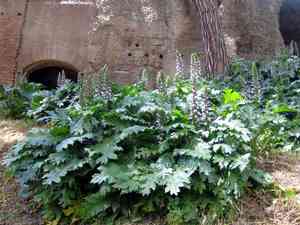
Acanthus mollis can enhance the visual appeal and tactile quality of any outdoor space.
2
Acanthus mollis adjusts well to different times of the year, providing continuous aesthetic value.
3
Acanthus mollis requires minimal upkeep, making it a sensible inclusion for your garden.
Introducing Bear's Breech to Your Landscape
Appreciating the visual appeal of Bear's Breech
The beauty of Bear's Breech comes from its large, lush leaves and tall flower spikes, which bring unique texture and volume to any garden. Its bold form can offer a striking contrast to more delicate plants, making your garden distinctive. Bear's Breech can act as a dramatic centerpiece, capturing attention and adding visual interest to landscape designs.
Bear's Breech's role in classic and contemporary garden styles
Bear's Breech plays a versatile role in both classic and contemporary garden designs. In traditional settings, its timeless look pairs well with rustic and vintage elements, creating an enduring elegance. In modern gardens, Bear's Breech can introduce a touch of wild, natural beauty that beautifully contrasts with sleek, minimalist lines.
Advantages of Including Bear's Breech in Your Garden
Improving visual depth and texture
Bear's Breech is renowned for its capacity to enhance visual depth and texture in gardens. Its large, deeply lobed leaves create a lush, layered effect, making it perfect for generating a sense of fullness and richness. This visual complexity can elevate your garden's overall aesthetic, making it more inviting and appealing.
Seasonal resilience of Bear's Breech
Bear's Breech is highly adaptable to different seasons, offering year-round attractiveness. Its robust leaves remain appealing through various weather conditions, and its tall flower spikes can last from summer into early autumn. This makes Bear's Breech a dependable choice for maintaining garden beauty throughout the year.
Low maintenance benefits
A significant advantage of Bear's Breech is its minimal maintenance needs. It thrives in various soil types and requires little watering once established. This makes it an excellent option for gardeners seeking a beautiful yet easy-to-care-for plant. Furthermore, it resists many pests and diseases, further reducing the need for constant attention.
Creative Applications of Bear's Breech in Landscape Design
As a central feature in garden arrangements
Bear's Breech can serve as a powerful focal point in garden compositions due to its striking appearance. Placing it strategically at the center or at the end of garden paths can draw attention and create a point of interest. Its dramatic presence can anchor garden beds and add a structured element to the design.
Integrating with water features
Incorporating Bear's Breech with water features like ponds or fountains can create a serene and harmonious garden atmosphere. The plant's robust foliage complements the fluidity of water, creating a balanced and attractive garden scene. This combination can enhance the tranquil and soothing aspects of your garden design.
Creating contrasts with other plant species
Using Bear's Breech to create contrasts with other plants can heighten your garden's visual impact. Pairing Bear's Breech with fine-textured or brightly colored plants can highlight its bold leaves and flower spikes. This contrast can add dynamic layers to your garden, making each plant stand out while contributing to a cohesive and diverse landscape.
Optimal Practices for Planting and Positioning Bear's Breech
Choosing the best site for growth
For optimal growth, select a location for Bear's Breech that provides ample space for its expansive foliage. It thrives best in partial to full shade, making it ideal for spots under trees or in north-facing gardens. Ensure the area has good drainage to prevent waterlogging, which can harm the plant's roots.
Soil and light considerations
Bear's Breech prefers moist, well-drained soil enriched with organic matter. It can tolerate a range of soil types as long as drainage is good. While it can grow in both sun and shade, providing partial shade will help prevent leaf scorch during peak summer months. Regular mulching and watering during dry periods can maintain moisture levels and promote healthy growth.



