Enhancing Your Garden Design with the Field maple Plant: A Landscaping Guide
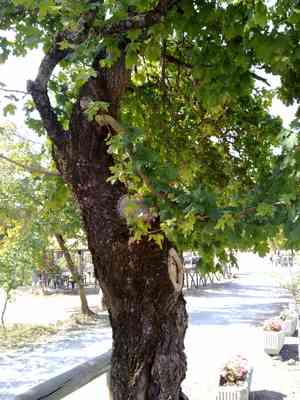
1
Field maple flourishes in diverse soil conditions, favoring sites with good drainage.
2
Consistent trimming is crucial for preserving the Field maple's form and vitality.
3
Field maple offers continuous appeal through its changing leaves and architectural qualities.
Introducing Field Maple to Your Landscape
Understanding Field Maple's Adaptability in Garden Design
When integrating Field maple into your garden scheme, its adaptability will prove quite compelling. Field maple can serve as a solitary focal point, a boundary tree, or even as part of a mixed shrub collection. This plant readily conforms to various design aesthetics, whether you prefer a more naturalistic approach or a structured, formal layout. Its capacity to flourish in diverse conditions makes it a practical choice for numerous garden environments.
The Visual Appeal of Field Maple in Outdoor Settings
The aesthetic contribution of Field maple is significant. With its rich green foliage transitioning to a stunning spectrum of yellows and reds in autumn, Field maple provides dynamic visuals throughout the year. Whether your goal is to establish a tranquil space with calming greenery or to introduce seasonal color, Field maple integrates seamlessly into any landscape. Its delicate leaf texture and graceful branching pattern also lend an air of sophistication to gardens.
Choosing the Optimal Spot for Field Maple
Considering Light Exposure Requirements
A primary consideration when planting Field maple involves its sunlight and shade needs. Field maple is quite flexible, thriving in both full sun and partial shade. However, for peak development, a location receiving morning sun and afternoon shade is often ideal. This balance ensures the plant gets sufficient light without enduring the harsh mid-day sun, which can be detrimental over time.
Soil Composition and Drainage Needs for Healthy Growth
Grasping the soil and drainage requirements for Field maple is vital for its robust development. While Field maple tolerates various soil types, it prefers well-drained, fertile soil. Avoid planting in areas prone to water accumulation, as poor drainage can lead to root rot and other issues. Enhancing the soil with organic matter can improve its structure and nutrient content, providing a strong foundation for your Field maple to thrive.
Combining Field Maple with Other Plants
Companion Plant Species for Field Maple
To maximize Field maple's visual impact in your garden, consider pairing it with complementary plant varieties. Plants such as understory shrubs, perennial blooms, and ornamental grasses work well alongside Field maple, creating layers of visual interest. These combinations not only enhance Field maple's beauty but also contribute to a balanced and unified garden design. Select species that flourish in similar growing conditions to ensure compatibility.
Achieving Color and Texture Contrast
Creating color and texture contrast in your landscape can be greatly improved by utilizing Field maple. Its fine foliage pairs beautifully with coarser-textured plants like hostas or large-leafed perennials. Similarly, Field maple's rich green during spring and summer contrasts vividly with bright flowers and variegated leaves. In autumn, its foliage complements the reds and oranges of other seasonal plants, forming a visually appealing tapestry of color.
Seasonal Considerations for Field Maple in Your Garden
Spring and Summer: Growth and Flowering Patterns
During spring and summer, Field maple enters its active growth phase, producing abundant foliage and, in some instances, subtle flower clusters. This is when the plant is most active, drawing energy from longer days and warmer weather. Consistent watering and occasional feeding during these seasons will support vigorous growth. Additionally, monitoring for pests and diseases ensures Field maple remains healthy and vibrant throughout the growing period.
Autumn and Winter: Foliage and Structural Appeal
As autumn arrives, Field maple truly shines, displaying a spectacular array of fall colors. Its leaves transform into brilliant shades of yellow and red, offering a striking visual contrast against the garden backdrop. Even in winter, Field maple's structural elements â its branch patterns and bark texture â add interest to the landscape. This year-round attractiveness makes Field maple a valuable addition to any garden, ensuring it remains appealing even during winter dormancy.
Maintenance Advice for Preserving Field Maple's Beauty
Pruning and Trimming: Optimal Practices
Proper pruning and trimming are crucial for maintaining Field maple's shape and health. Prune during its dormant period to remove dead or diseased branches and to sculpt the tree. Light trimming can also be performed during the growing season to preserve its aesthetic form. Use sharp, clean tools for precise cuts, and always prune above a node or budding twig to encourage new growth.
Mulching and Irrigation Techniques
Applying mulch around Field maple's base can help retain soil moisture, regulate temperature, and suppress weed growth. Use organic mulch such as wood chips or bark, spreading it evenly around the base but avoiding direct contact with the trunk. Regarding watering, Field maple benefits from deep, infrequent irrigation, especially during dry spells. Ensure the soil is moist but not waterlogged, as excessive moisture can harm the roots.



