Enhancing Your Garden Design with the Vine maple Plant: A Landscaping Guide
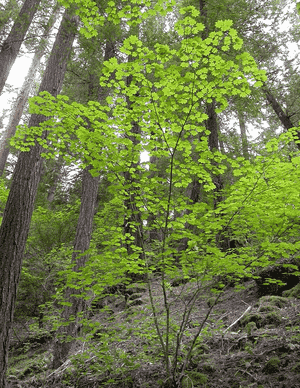
1
Vine maple flourishes in both bright and low-light environments, offering flexibility for diverse garden placements.
2
Vine maple offers changing hues throughout the seasons, boosting your garden's aesthetic charm year-round.
3
Incorporating Vine maple into your garden design aids local fauna by supplying natural shelter and sustenance.
Benefits of Incorporating Vine Maple into Your Garden
Aesthetic Appeal: Dynamic Hues and Form
Vine maple offers a captivating presence in any landscape, distinguished by its seasonal transformations and unique structure. Its foliage undergoes remarkable changes throughout the year, displaying a vibrant spectrum from bright greens in spring and summer to fiery oranges and reds in autumn. This seasonal color shift makes Vine maple an excellent choice for introducing a lively and evolving visual element to your garden. Its distinctive, spreading canopy provides architectural interest, ensuring your garden remains visually appealing year-round.
Supporting Local Ecosystems with Vine Maple
By introducing Vine maple into your garden, you not only enhance its beauty but also support local wildlife. Vine maple provides a natural habitat for birds, insects, and other small creatures. Its branches offer shelter, while its leaves and flowers can serve as a food source, thereby fostering biodiversity in your garden. Integrating Vine maple aligns with eco-friendly gardening practices, emphasizing the importance of sustaining natural environments.
Versatility Across Diverse Environments
One of Vine maple's most remarkable attributes is its adaptability. This plant can flourish in various conditions, from sunny open areas to shaded woodland settings. Its capacity to adjust to different soil types, including clay, loam, and sandy soils, makes it an ideal selection for a range of landscape designs. Whether you aim to fill a sunny garden bed or invigorate a shaded corner, Vine maple's flexible nature ensures it can adapt and thrive.
Designing with Vine Maple: Strategic Placement Concepts
Accentuating Garden Paths and Walkways
Vine maple is perfect for bordering garden paths and walkways, adding both charm and a sense of journey to your landscape design. Its branches can gracefully arch over pathways, creating a natural, inviting tunnel effect. This not only enhances the aesthetic appeal but also provides a gentle enclosure, making the pathway feel more intimate and connected to nature.
Establishing Focal Points with Vine Maple
Utilize Vine maple as a focal point in your garden to draw attention and create a central feature. Its distinctive shape and seasonal color changes make it a striking centerpiece, whether planted individually or in a small cluster. Strategically positioning Vine maple in a prominent location can anchor your landscape design, providing a visual anchor around which other elements are organized.
Employing Vine Maple for Privacy and Boundaries
For those seeking to establish natural privacy screens or boundaries, Vine maple offers an attractive solution. When planted along property lines or around seating areas, its dense foliage provides a natural barrier that adds privacy while enhancing the garden's aesthetic. Over time, this can develop into a lush, green wall that defines spaces and offers seclusion.
Care Guidelines for Vine Maple in Your Landscape
Seasonal Pruning and Upkeep
To maintain Vine maple's health and optimal appearance, regular pruning is crucial. Pruning helps preserve its shape, removes any dead or diseased branches, and encourages new growth. The ideal time for pruning Vine maple is during its dormant period, typically in late winter. This aids the plant in recovering quickly and promotes fuller, more vibrant growth in the subsequent season.
Soil and Hydration Requirements
Vine maple prefers well-drained soil but can adapt to various soil types. Ensuring consistent soil moisture, especially during the plant's establishment phase, is vital for its healthy development. Regular watering is essential during dry spells, but avoid overwatering as Vine maple's roots prefer not to sit in waterlogged soil.
Managing Exposure: Sunlight and Shade
While Vine maple is highly adaptable to different light conditions, it thrives best in partial sunlight to partial shade. In warmer climates, providing some afternoon shade can prevent leaf scorch and promote healthier growth. Understanding the specific light needs of your garden area can help you place Vine maple where it will flourish most effectively.
Integrating Vine Maple with Other Plant Combinations
Companion Plants for Vine Maple
Pairing Vine maple with complementary plants can create a harmonious and visually appealing garden arrangement. Consider plants with similar water and light requirements, such as ferns, hostas, and other shade-tolerant species. These companions can thrive together, fostering a cohesive and flourishing garden environment.
Color and Texture Contrasts
Creating contrasts in your garden can heighten its visual appeal. Vine maple's fine, delicate foliage pairs well with broader-leafed plants, such as rhododendrons or hydrangeas. The contrast in leaf shape and size can make both plants stand out more vividly, adding depth and texture to your garden layout.
Layering Techniques for Depth and Interest
Employing layering techniques with Vine maple can add depth and dimension to your garden. Plant Vine maple alongside taller trees and shrubs, with smaller perennials and ground covers at the front. This creates a tiered effect, making the garden appear fuller and more structured, while also providing different views and focal points.



