Enhancing Your Garden Design with the Paperbark maple Plant: A Landscaping Guide
1
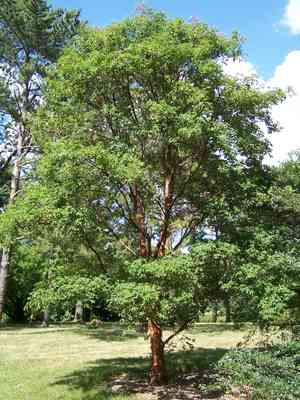
The Paperbark maple is prized for its distinctive bark and fall leaves, making it a prominent feature in any landscape.
2
Strategic positioning of Paperbark maple can establish ideal focal points and elevate your garden's aesthetic.
3
Integrating Paperbark maple with other flora can produce impressive contrasts in color and texture.
Introducing Paperbark Maple in Landscape Design
Understanding the Fundamental Appeal of Paperbark Maple
Paperbark maple stands out as an excellent selection for any landscaping project, thanks to its distinctive look and adaptable uses. Its unique peeling bark offers year-round visual interest, while its vibrant fall leaves bring seasonal color to any garden. The tree's upright, oval shape fits various landscape settings, from large lawns to cozy garden areas. Whether you're an experienced landscaper or a gardening beginner, Paperbark maple provides numerous aesthetic benefits that can transform your outdoor space.
Roles of Paperbark Maple in Outdoor Environments
Paperbark maple fulfills multiple functions in landscaping, serving as a focal point, a specimen tree, or even as part of a mixed border. Its moderate height and spreading habit make it ideal for forming a gentle canopy, offering shade without overpowering smaller plants. When positioned effectively, Paperbark maple can frame garden views, direct attention to interesting architectural elements, or act as a living backdrop for other garden features. With its adaptability and diverse applications, Paperbark maple truly is a versatile star in any landscape design.
Strategic Placement of Paperbark Maple for Optimal Beauty
Maximizing Views and Key Features
Thoughtful placement of Paperbark maple can greatly enhance your landscape's beauty. Positioning it at key viewpoints, such as at the end of a path or in the center of a garden bed, can create stunning focal points. Ensure Paperbark maple is visible from frequently used areas like patios or living room windows to maximize its visual impact. Careful placement will help you enjoy the tree's aesthetic qualities while also using its structural beauty to guide your garden's layout.
Balancing Light and Shade
Paperbark maple thrives in both full sun and partial shade, offering flexibility in its garden placement. However, for optimal growth and vibrant color, position Paperbark maple where it will receive ample sunlight for at least part of the day. This not only encourages healthy foliage but also intensifies its autumn colors. Additionally, consider its shade-providing capabilities for underplanting with shade-tolerant species, creating layered and dynamic planting schemes.
Combining Paperbark Maple With Other Plants
Selecting Compatible Species
Choosing the right plant companions for Paperbark maple can elevate your landscape design. Opt for plants that flourish in similar conditions to ensure a harmonious garden environment. Species with contrasting foliage, such as evergreens or ornamental grasses, complement the colorful bark and leaves of Paperbark maple. Additionally, ground covers and perennials with different bloom times can create a multi-seasonal display, enhancing the overall visual appeal of your garden.
Creating Color and Texture Contrasts
One of gardening's joys is experimenting with color and texture contrasts, and Paperbark maple offers many opportunities. Its papery bark and brilliant foliage can be paired with smoother, darker leaves of shrubs like boxwoods or azaleas for a striking contrast. Incorporate flowering plants like hellebores or daylilies to add seasonal color and texture that play off the tree's unique characteristics. These combinations not only make your garden more visually interesting but also create depth and complexity in your landscape design.
Seasonal Considerations for Paperbark Maple
Enhancing Winter Scenery
One of Paperbark maple's prominent features is its ability to add interest to the winter garden. The exfoliating bark, which peels away to reveal rich, cinnamon-colored patches, creates a striking visual effect against the stark winter landscape. Planting Paperbark maple where it can be viewed from indoors or along a frequently used pathway ensures that you can enjoy its beauty even in the colder months. Pairing Paperbark maple with evergreens can also enhance the winter scenery, providing a lush, green backdrop that highlights its unique bark.
Preparing Paperbark Maple for Various Weather Conditions
To keep Paperbark maple healthy and thriving throughout the year, it's important to consider its seasonal care needs. In autumn, mulching around its base helps retain moisture and provide insulation during colder months. Pruning should be done in late winter or early spring to remove any dead or crowded branches, promoting better air circulation and growth. Regular watering during dry spells is crucial, especially for younger trees, to ensure they establish strong roots. By attending to these seasonal tasks, you ensure that Paperbark maple remains a robust and beautiful feature in your garden.



