Enhancing Your Garden Design with the Fullmoon maple Plant: A Landscaping Guide
1
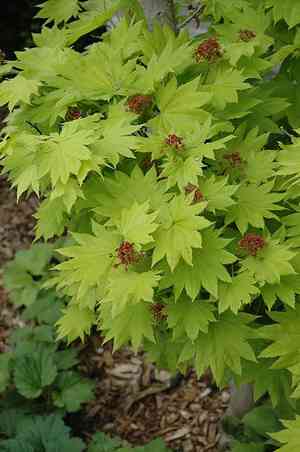
The Fullmoon maple provides striking visual interest through its distinct leaves and vivid hues.
2
Proper positioning of Fullmoon maple requires evaluating its light and shadow requirements.
3
Fullmoon maple is suitable for incorporation into diverse landscape designs to boost their beauty.
Appreciating the Visual Charm of Fullmoon Maple
Main visual characteristics of Fullmoon maple
Fullmoon maple is celebrated for its unique, rounded leaf shape, which provides a striking accent to any garden. Its leaves are deeply divided and often display vibrant, diverse colors throughout the year. This distinct foliage form distinguishes Fullmoon maple, capturing attention and offering visual appeal.
Seasonal transformations and their visual impact
A most captivating aspect of Fullmoon maple is its changing colors with the seasons. In spring, leaves often emerge red or purple before turning green in summer. As autumn arrives, they shift to brilliant yellows, oranges, or reds, creating a dynamic, ever-evolving spectacle. This seasonal variation ensures Fullmoon maple remains a garden highlight all year.
Companion plants for Fullmoon maple
To heighten Fullmoon maple's beauty, consider pairing it with plants that offer contrast or complement its colors and shape. Plants with darker leaves, like hostas, can form a stunning backdrop for the bright foliage of Fullmoon maple. Additionally, ground covers such as ferns or low-growing azaleas can provide a lush, green carpet that accentuates Fullmoon maple's vivid hues.
Optimal Placement of Fullmoon Maple in Gardens
Garden areas where Fullmoon maple thrives best
Fullmoon maple prefers well-drained soil rich in organic matter. Planting it on slopes or elevated spots can aid drainage and prevent waterlogging, to which Fullmoon maple is susceptible. Ensuring consistently moist but not saturated soil will encourage robust growth.
Considering light and shade requirements
Fullmoon maple generally flourishes in partial shade to full sun, but excessive direct sunlight, especially in warmer climates, can scorch its leaves. It's best to position Fullmoon maple where it receives morning sun and afternoon shade. This balance helps preserve leaf coloration and prevents burning.
Landscape design styles suitable for Fullmoon maple
Fullmoon maple integrates well into various landscape designs, from traditional Japanese gardens to modern settings. Its sculptural form and vibrant colors make it highly adaptable. It can serve as an accent in a minimalist garden, complementing clean lines with its organic shape, or be part of a lush, mixed planting scheme in cottage or woodland-style gardens.
Practical Advice for Integrating Fullmoon Maple into Landscape Designs
Design principles for incorporating Fullmoon maple
When integrating Fullmoon maple into your landscape design, consider using it as a focal point due to its striking appearance. Surround it with lower-growing plants to allow its form to be fully appreciated. Utilize it as a backdrop for smaller flowering plants, creating a layered effect that adds depth to your garden.
Balancing aesthetics and practicality
While Fullmoon maple is undeniably beautiful, it's also crucial to balance aesthetics with functionality. Ensure Fullmoon maple doesn't obstruct pathways or views, and consider its mature size when planning its location. A well-placed Fullmoon maple can offer shade and cool areas in the garden, making it both a practical and attractive feature.
Maintenance considerations for lasting success
Maintaining Fullmoon maple involves regular watering, especially during dry spells, and mulching to retain soil moisture. Pruning should be done appropriately to maintain its shape and health, typically in late winter to early spring before new growth begins. Regular checks for pests and diseases will ensure Fullmoon maple remains a healthy and vibrant part of your landscape.
FAQs on Fullmoon Maple in Landscaping
What other plants complement Fullmoon maple?
Fullmoon maple pairs well with shade-loving plants like ferns, hostas, and azaleas, which complement its leaf color and form. Also, plants with contrasting foliage colors or textures can add visual interest and enhance the garden's overall aesthetic.
How does Fullmoon maple affect garden biodiversity?
Planting Fullmoon maple can boost garden biodiversity by offering habitat and food for various insects and birds. Its flowers attract pollinators, and its structure provides shelter for small wildlife, contributing to a balanced and thriving garden ecosystem.
Can Fullmoon maple be used in small or confined areas?
Yes, Fullmoon maple can be used in small or confined spaces, such as patios or courtyards. Being relatively slow-growing and compact, it can be trained and pruned to fit the space, making it an excellent choice for adding color and interest without overwhelming smaller areas.



