Enhancing Your Garden Design with the Bigleaf maple Plant: A Landscaping Guide
1
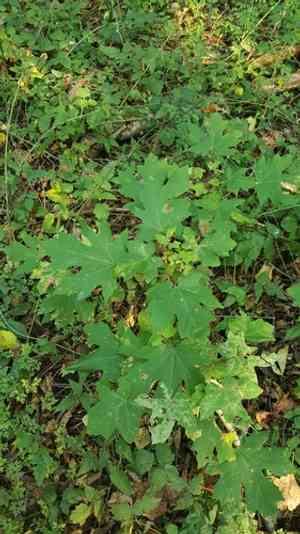
Bigleaf maple is recognized for its expansive foliage and substantial crown, offering significant shade.
2
Adding Bigleaf maple to your outdoor space can boost ecological diversity by drawing in different animals.
3
Bigleaf maple needs little upkeep after it's rooted, making it a sensible option for enduring landscape design.
Introducing Bigleaf maple to Your Landscaping
Understanding Growth Patterns of Bigleaf maple
Before adding Bigleaf maple to your property, it's crucial to grasp its growth habits. This species typically achieves considerable height and width, forming a wide canopy that offers substantial shade. As Bigleaf maple matures, it can reach heights of 20-30 meters, making it a prominent element in any garden. The canopy's spread can cover a large area, requiring careful placement to avoid overshadowing other plants or structures. Understanding these growth dynamics aids in making informed decisions about proper spacing and positioning in your garden.
Ideal Planting Locations for Visual Impact
Choosing the perfect planting spot for Bigleaf maple is vital for maximizing its aesthetic appeal. Given its impressive size and lush foliage, Bigleaf maple serves well as a focal point in expansive gardens or as part of a mixed woodland setting. Position Bigleaf maple where its canopy can expand without hitting buildings or crowding other trees. It can be planted to provide natural shade over patios or seating areas, enhancing outdoor living spaces with comfort and beauty. Placing Bigleaf maple along pathways or as a backdrop in a multi-layered garden design can also emphasize its majestic charm.
Seasonal Changes and Their Effects on Landscape Aesthetics
One of the striking characteristics of Bigleaf maple is its dynamic seasonal transformations, which bring varied beauty to your landscape. In spring and summer, Bigleaf maple displays vibrant, rich green leaves that form a dense canopy. By autumn, the foliage shifts into spectacular yellow hues, deepening the visual appeal of your garden. Keeping these seasonal changes in mind can help you design the rest of your landscape to complement these shifts. For instance, pairing Bigleaf maple with evergreen plants maintains visual interest even in winter when Bigleaf maple's leaves have fallen.
Benefits of Including Bigleaf maple in Landscape Projects
Enhanced Shade and Cooling Effects
A primary advantage of integrating Bigleaf maple into your landscape is the improved shade and cooling it provides. The extensive canopy of Bigleaf maple effectively blocks direct sunlight, helping to cool down areas beneath it. This natural shade can create more comfortable outdoor spaces during hot summer months, making your garden more enjoyable. Furthermore, shading from Bigleaf maple can help protect delicate plants from excessive sun exposure and reduce the overall urban heat island effect.
Biodiversity Support Through Bigleaf maple
Bigleaf maple plays a significant role in fostering biodiversity within garden environments. Its large, inviting canopy becomes a habitat for various birds and insects. By planting Bigleaf maple, you attract a host of pollinators, such as bees and butterflies, contributing to the ecological health of your garden. The fallen leaves and decaying wood also provide a rich, organic layer that nourishes the soil, promoting a healthier and more resilient plant community throughout your landscape.
Long-Term Durability and Low Maintenance
Once established, Bigleaf maple is known for its resilience and minimal upkeep requirements. This robust tree adapts well to various soil types and conditions, provided it has ample space for root development. Consistent watering during the initial growth phase helps establish Bigleaf maple, but once mature, it needs little care. Its resistance to common pests and diseases means fewer interventions, making it a practical and cost-effective addition to your landscape over the long term.
Incorporating Bigleaf maple with Other Plants
Complementary Plants for Bigleaf maple
Pairing Bigleaf maple with suitable companion plants can enhance the overall beauty and vitality of your garden. Consider underplanting Bigleaf maple with shade-loving perennials like ferns and hostas, which thrive in the shadow of its canopy. Adding layers of shrubs such as rhododendrons and azaleas can create a diverse and visually appealing understory. Using ground covers like ivy or vinca can help maintain soil moisture and prevent erosion around the base of Bigleaf maple.
Design Tips for a Cohesive Look
To achieve a unified appearance in your landscape, consider the color, texture, and form of plants you combine with Bigleaf maple. Use contrasting foliage and flower colors to make your garden visually striking. For instance, the rich green leaves of Bigleaf maple look stunning alongside the bright blooms of azaleas or the delicate fronds of ferns. Pay attention to the seasons; choose plants that offer visual interest throughout the year to complement Bigleaf maple's seasonal changes. Maintain balance and harmony by grouping plants with similar water and light needs to create a sustainable garden design.
Avoiding Common Planting Mistakes
When planting Bigleaf maple, avoid typical errors such as planting too close to structures, insufficient root space, and poor soil conditions. Ensure ample room for Bigleaf maple to grow and spread its roots without encroaching on buildings or other trees. Prepare the planting site by enriching the soil with organic matter to provide a healthy environment for Bigleaf maple to thrive. Water regularly during the tree's establishment period, but be cautious of overwatering, which can lead to root rot. Observing these guidelines helps ensure that your Bigleaf maple becomes a robust and enduring feature in your landscape.
Visualizing the Future: Growth Projection of Bigleaf maple
Short Term Growth Expectations
In the short term, Bigleaf maple exhibits moderate growth. During the initial few years, you can expect it to grow steadily, developing a strong root system and gradually expanding its canopy. Consistent care during this period, such as proper watering and mulching, is essential to support its growth. After planting, closely monitor its progress and adjust care techniques as needed, ensuring that it is thriving and adapting well to its new environment.
Long Term Landscape Changes with Bigleaf maple
Long-term, Bigleaf maple becomes a transformative element in your landscape, significantly altering its appearance and functionality. As it reaches maturity, Bigleaf maple will provide extensive shade, becoming a central feature of your garden. Its seasonal changes continue to add dynamic visual interest year after year. Long-term planning should account for the tree's full-grown size, ensuring it remains a harmonious and functional part of your landscape. Having a vision for the potential size and impact of Bigleaf maple helps in creating a landscape that evolves beautifully over time.
Planning for Sustainability
Planning for sustainability with Bigleaf maple involves thinking beyond aesthetics to ensure the tree's long-term health and the health of the surrounding garden ecosystem. Opt for eco-friendly practices such as mulching with organic materials and avoiding harmful pesticides. Consider water conservation techniques, such as drip irrigation, to maintain health without excessive water use. Planting native species alongside Bigleaf maple can create a more resilient and sustainable garden that supports local wildlife and reduces the need for artificial fertilizers. These practices help in fostering a sustainable and flourishing garden environment.



