Enhancing Your Garden Design with the Common yarrow Plant: A Landscaping Guide
1
Achillea millefolium is a adaptable flora that offers both aesthetic charm and environmental advantages to your outdoor space.
2
Strategic positioning and pairing with other flora are crucial for optimizing Achillea millefolium's garden design capabilities.
3
Achillea millefolium not only improves visual appeal but also aids native fauna and beneficial insects.
Introducing the Adaptability of Yarrow in Garden Design
Overview of Yarrow and its landscaping advantages
Yarrow is an exceptionally adaptable plant, offering numerous benefits for garden enthusiasts. Its capacity to thrive in diverse soils and climates makes it a dependable choice for many garden environments. Beyond its role as an attractive ground cover, Yarrow excels in preventing soil erosion thanks to its robust root system. This low-maintenance plant is drought-resistant, making it a sustainable option for gardens mindful of water usage. Whether you aim to introduce texture, color, or resilience to your landscape, Yarrow proves to be a valuable addition.
Aesthetic appeal: How does Yarrow enhance a gardenâs beauty?
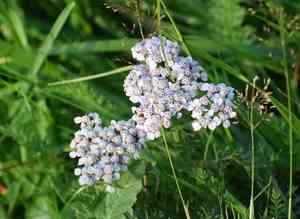
Yarrow is celebrated for its delicate, fern-like leaves and clusters of tiny, vibrant blossoms that range from white to various shades of pinks and yellows. The plantâs airy and light appearance imparts a whimsical charm to garden spaces, perfect for cottage-style and wildflower gardens. Furthermore, Yarrow integrates seamlessly with other perennials and annuals, providing a gentle backdrop that accentuates the vivid hues of companion plants. Its prolonged flowering season ensures a continuous display of beauty throughout the active growth months, making Yarrow essential for achieving year-round garden interest.
Designing with Yarrow: Placement and Planting Strategies
Selecting optimal locations for planting Yarrow in your garden
Choosing the best spot for Yarrow in your garden is vital for its success. Ideally, Yarrow flourishes in full sun, though it can endure partial shade. Well-draining soil is crucial, as waterlogged conditions can lead to root rot. When positioning Yarrow, consider its height and spreading habit to ensure it doesn't overshadow smaller plants. Planting Yarrow in clusters can create a striking visual impact, especially along paths, borders, and rock gardens. Its ability to withstand poor soil conditions makes it an excellent choice for areas where other plants might struggle.
Pairing Yarrow with other plants: Tips for a cohesive design
For a cohesive garden design, consider pairing Yarrow with plants that complement its texture and color scheme. Combining Yarrow with taller, structural plants like ornamental grasses or spiky perennials can create a dynamic contrast. Additionally, its muted green foliage serves as a perfect canvas for brightly colored blooms such as coneflowers, lavender, or rudbeckia. Grouping Yarrow with other drought-tolerant species can also foster a unified and sustainable garden ecosystem. Remember to consider bloom times to maintain continuous interest and ensure all plants receive adequate sunlight and space.
Care Guidelines for Yarrow in Your Landscape
Basic upkeep for robust growth
Maintaining Yarrow in your landscape is straightforward and requires minimal effort. Consistent watering during the initial establishment phase is crucial, but once settled, Yarrow is drought-tolerant. Pruning spent flowers encourages further blooming and helps maintain a neat appearance. Dividing clumps every few years prevents overcrowding and promotes vigorous growth. Additionally, diligently removing any weeds around Yarrow ensures it doesn't compete for nutrients and water. With these simple care practices, Yarrow will thrive and continue to enhance your garden.
Seasonal care adjustments for vibrant Yarrow plants
Seasonal care adjustments can ensure Yarrow remains vibrant throughout the year. In spring, a light application of balanced fertilizer can boost growth as the plant emerges from dormancy. Summer months may necessitate occasional deadheading to extend the bloom period. In autumn, consider mulching around the base of Yarrow to protect its roots from harsh winter temperatures. While Yarrow is hardy and resilient, providing extra care during extreme weather conditions helps it flourish. By adapting your care routine to the changing seasons, you ensure Yarrow stays healthy and aesthetically pleasing.
How Yarrow Supports Local Ecology
Benefits of Yarrow in supporting local wildlife and biodiversity
Yarrow plays a significant role in supporting local wildlife and enhancing biodiversity in your garden. Its flowers serve as a nectar source for various pollinators, including bees, butterflies, and beneficial insects. The plant's dense foliage provides shelter for small animals and insects, creating a thriving habitat within your landscape. By incorporating Yarrow into your garden, you contribute to the local ecosystem's health, fostering a more balanced and vibrant environment. Its ability to attract a diverse range of wildlife makes Yarrow an invaluable asset for eco-conscious gardeners.
Encouraging pollinators: The role of Yarrow in your gardenâs ecosystem
Encouraging pollinators is a key aspect of Yarrowâs contribution to your gardenâs ecosystem. The plant's clusters of small flowers are particularly attractive to bees and butterflies, providing them with essential nectar and pollen sources throughout their active months. This not only aids in the pollination of Yarrow itself but also of other plants in your garden, boosting overall floral production and garden health. Planting Yarrow strategically can create a continuous food source for pollinators, supporting their populations and ensuring your garden remains full of life and color.
Creative Uses of Yarrow Beyond the Standard Landscape
Innovative gardening techniques with Yarrow: Vertical and border designs
Exploring innovative gardening techniques with Yarrow can elevate your landscaping design. Consider using Yarrow in vertical gardens or living walls to add texture and interest to otherwise blank spaces. Its creeping growth habit makes it suitable for filling gaps in stone walls or as a cascading element in tiered garden setups. Additionally, Yarrow works wonderfully as a border plant, defining garden edges with its airy foliage and extended bloom season. By thinking outside the traditional garden bed, you can incorporate Yarrow into various landscape features, adding depth and complexity to your design.
Seasonal decoration and crafting ideas using Yarrow
Yarrow offers various opportunities for seasonal decoration and crafting. Its dried flowers and foliage can be used to create beautiful wreaths, bouquets, and floral arrangements. The natural texture and soft colors of Yarrow make it a versatile material for DIY projects, adding a rustic charm to home decor. Additionally, consider using Yarrow in holiday decorations or as part of a natural centerpiece for special occasions. Its long-lasting qualities ensure that you can enjoy the beauty of Yarrow both in your garden and indoors, extending the plantâs appeal beyond the growing season.



