Enhancing Your Garden Design with the Sweet flag Plant: A Landscaping Guide
1
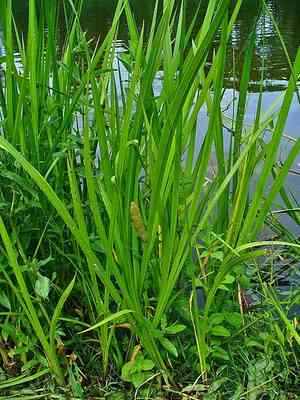
Acorus calamus is recognized for its distinctive natural beauty and adaptability in diverse garden layouts.
2
Acorus calamus flourishes in moist and marshy environments, making it ideal for aquatic gardens.
3
Acorus calamus not only boosts visual charm but also supports indigenous biodiversity.
Introducing Sweet Flag for Landscape Use
Sweet Flag's inherent visual appeal
Upon first glance, Sweet Flag captivates with its graceful, blade-like leaves and subtle yet impactful presence. This plant distinguishes itself with lush green foliage, imparting a refreshing and calming ambiance to any garden. Its distinct texture and form make it an excellent option for introducing vertical interest and a naturalistic charm to outdoor spaces. Whether utilized as a focal point or within a border, Sweet Flag effortlessly elevates the aesthetic quality of any garden setting.
Advantages of integrating Sweet Flag into garden designs
Integrating Sweet Flag into your garden provides numerous advantages. It not only offers year-round visual appeal but also performs well in diverse garden environments, from traditional to modern styles. A key benefit is its adaptability to damp and marshy conditions, making it perfect for water features and rain gardens. Furthermore, Sweet Flag requires minimal upkeep and can enhance soil health by preventing erosion along water edges. Its aromatic quality also adds an additional sensory dimension to your garden, making it a versatile choice for landscaping.
Designing Your Garden with Sweet Flag
Understanding Sweet Flag's growth characteristics
Sweet Flag is a perennial plant recognized for its clumping growth habit, which can gradually expand over time. It typically reaches a height of approximately 2-4 feet and flourishes in full sun to partial shade. Comprehending its growth patterns assists in planning its placement within your garden for optimal aesthetic and practical benefits. By recognizing its preference for moist to wet soils, you can position Sweet Flag in areas where it will naturally thrive, such as along pond edges, streams, or marshy sections of your garden.
Innovative concepts for incorporating Sweet Flag into various garden themes
There are countless ways to creatively integrate Sweet Flag into your garden design. For a contemporary garden, employ Sweet Flag as an architectural element to establish clean lines and structure. In a cottage garden, it can introduce a touch of wild elegance when combined with vibrant blooms. Water gardens greatly benefit from Sweet Flag as it seamlessly blends with aquatic plants and offers a natural habitat for wildlife. You can also cultivate Sweet Flag in containers for a flexible and movable component, allowing you to experiment with different placements and combinations.
Tips for positioning Sweet Flag for maximum visual impact
To achieve the greatest visual impact with Sweet Flag, consider its height and texture when planning its placement. Arrange Sweet Flag in clusters or groupings to create a bold statement. Placing it near water features can amplify the water's reflective qualities, introducing a dynamic element to your garden. If using it as a backdrop, ensure it contrasts with the colors and textures of surrounding plants. Grouping Sweet Flag with shorter, denser foliage plants in the foreground can emphasize its vertical form and create a layered, visually engaging composition.
Pairing Sweet Flag with Other Plants
Optimal companion plants for Sweet Flag
Selecting appropriate companion plants for Sweet Flag can enhance its inherent beauty and foster a harmonious garden design. Consider pairing it with plants that thrive in similar conditions, such as water lilies, irises, and hostas. Grasses and sedges can complement Sweet Flag's form and add movement to your garden. For additional color contrast, intersperse flowering plants like astilbes, which also prefer moist soil. These combinations not only appear attractive but also establish a balanced ecosystem in your garden.
How to create color and texture contrast with Sweet Flag
Creating contrast with Sweet Flag involves selecting plants with diverse colors, shapes, and textures. Its vibrant green foliage pairs well with plants featuring striking blooms or darker leaves. For instance, deep purple or red flowers can provide a stark contrast against Sweet Flag's green backdrop. Experiment with varying textures by combining Sweet Flag with plants that possess broad leaves or delicate, feathery foliage. This contrast not only highlights individual plants but also adds depth and interest to your garden design.
Maintaining Sweet Flag in Your Landscape
Seasonal care guidelines for Sweet Flag
Proper seasonal care ensures Sweet Flag remains healthy and vigorous throughout the year. In spring, remove any dead foliage to encourage new growth. During summer, ensure the soil stays consistently moist, especially during dry periods. Applying mulch can help retain moisture. In autumn, trim back any excessive growth to prepare for winter. While Sweet Flag is relatively resilient, it's advisable to offer some protection against extreme cold by adding a layer of mulch around its base.
Common issues and remedies when landscaping with Sweet Flag
Like all plants, Sweet Flag can encounter a few difficulties. A frequent concern is overgrowth, which can be managed by periodic division of the clumps to control its spread and maintain its vitality. Pests and diseases are relatively uncommon, but monitoring for any signs of trouble can help address problems early. Ensuring adequate water conditions is crucial as Sweet Flag prefers consistently moist soil; drought conditions can stress the plant, so regular irrigation or using watering systems can alleviate this issue.
The Environmental Impact of Sweet Flag
Ecological benefits of utilizing Sweet Flag in your garden
Sweet Flag offers several environmentally friendly advantages. Its capacity to flourish in wet conditions makes it ideal for natural water filtration systems, aiding in the purification and management of runoff water in your garden. This not only supports a healthier ecosystem but also reduces soil erosion. Additionally, as a low-maintenance plant, it requires less frequent watering and no chemical fertilizers, making it a sustainable choice that conserves resources and minimizes environmental impact.
Sweet Flag's contribution to local biodiversity
Incorporating Sweet Flag into your garden can significantly enhance local biodiversity. By providing a natural habitat, Sweet Flag attracts various insects, birds, and other wildlife, fostering a thriving ecosystem. Its dense foliage offers shelter and nesting sites, while its presence in water gardens can support aquatic life. As a native plant in many regions, Sweet Flag helps preserve the natural balance and supports the survival of local plant and animal species.



