Enhancing Your Garden Design with the Painted buckeye Plant: A Landscaping Guide
1
Painted buckeye flourishes in partial shade and soil that drains effectively.
2
Growing other plants alongside Painted buckeye can improve its aesthetic appeal and vitality.
3
Yearly maintenance for Painted buckeye involves applying mulch and proper trimming.
Introducing Painted Buckeye in Landscape Design
Why is Painted Buckeye a favored option for gardeners?
Painted buckeye is a cherished selection among garden enthusiasts for multiple reasons. A key attribute is its capacity to adapt to diverse landscape environments, whether you desire a woodland atmosphere or a structured garden. Its distinctive foliage and lovely blossoms provide both color and visual appeal throughout the growing period. Furthermore, Painted buckeye is recognized for being relatively easy to maintain, which is always beneficial for busy gardeners. The blend of its aesthetic charm and simple care has made Painted buckeye a staple in numerous landscape designs.
The visual appeal of Painted Buckeye in various environments
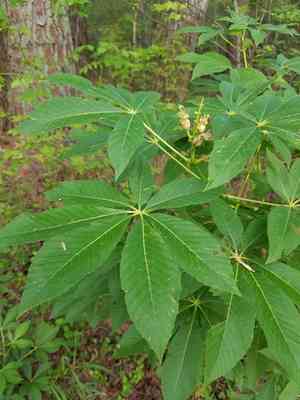
The aesthetic allure of Painted buckeye is undeniable. With its rich, medium-green leaves and vivid flowers, it can serve as a striking centerpiece in any garden. Whether planted in large groups to create a stunning visual effect or utilized as a single specimen, Painted buckeye captures attention. Its adaptability allows it to integrate seamlessly into both rustic and formal settings, making it a highly versatile choice for any landscape. Additionally, the plant's seasonal transformations offer year-round visual interest, from spring blooms to vibrant autumn foliage.
Optimal Locations for Painted Buckeye in Your Garden
Where to position Painted Buckeye for maximum visual impact
Strategic placement of Painted buckeye is crucial for maximizing its visual effect. Ideal spots include areas receiving filtered sunlight, such as beneath taller trees or along the edges of wooded areas. These conditions mimic its natural habitat, helping it flourish. Another excellent location is near patios or pathways where its beauty can be admired up close. To achieve a layered look in your garden, consider planting Painted buckeye in front of darker-foliaged plants, which will make its vibrant leaves and flowers stand out.
Considerations for light exposure and soil composition
Regarding sunlight and soil, Painted buckeye has specific preferences. It thrives best in partial shade, receiving morning sun and afternoon shade, though it can tolerate a range of light conditions if necessary. Well-drained, fertile soil is essential for the robust development of Painted buckeye. If your garden soil is heavy clay, consider amending it with organic matter to enhance drainage. Monitoring soil moisture levels is vital, especially in the initial stages after planting. Mulching around the base can help retain moisture and regulate soil temperature, promoting the healthy growth of Painted buckeye.
Companion Plants for Painted Buckeye
Selecting plants that complement Painted Buckeye's hues and form
Choosing appropriate companion plants can significantly enhance the beauty of Painted buckeye. For structural contrast, consider pairing it with taller shrubs or small trees that offer a contrasting backdrop. For color, select plants with complementary or contrasting blossoms. For instance, plants with purple or blue flowers, such as salvia or lavender, can beautifully accentuate the colors of Painted buckeye. Ground covers like hostas or ferns can also complement Painted buckeye's structure by forming a lush, green carpet around its base.
How companion planting improves Painted Buckeye's environment
Companion planting not only boosts aesthetic appeal but also fosters a more balanced and healthier garden ecosystem. Plants that thrive in similar soil and light conditions can form a symbiotic relationship, where each plant supports the others. For example, planting nitrogen-fixing plants nearby can enrich the soil quality for Painted buckeye, encouraging healthier growth. Furthermore, certain companion plants can naturally deter pests, reducing the need for chemical pest control methods. This approach promotes a more sustainable and eco-friendly garden.
Seasonal Considerations for Painted Buckeye
Optimal times of year to plant and relocate Painted Buckeye
Timing is critical when planting or relocating Painted buckeye to ensure successful establishment and thriving growth. The best time to plant Painted buckeye is during early spring or fall, when temperatures are milder, and moisture is more plentiful. These seasons provide ideal conditions for root development before the stress of hot summers or cold winters sets in. If replanting, aim for the same periods to minimize transplant shock and allow the plant to settle smoothly into its new location.
Preparing Painted Buckeye for varying seasonal conditions
To ensure Painted buckeye flourishes year-round, it's important to prepare it for the changing seasons. In spring, inspect for any winter damage and prune as needed to encourage vigorous new growth. During hot summer months, consistent watering and mulching can help maintain soil moisture and keep roots cool. In autumn, a layer of mulch around the base can protect the root system from cold temperatures. Finally, during winter, shield young or vulnerable plants from harsh winds and extreme temperatures with protective covers or natural barriers.
Integrating Painted Buckeye into Themed Landscapes
How Painted Buckeye fits into contemporary, traditional, and eclectic garden styles
Painted buckeye is a versatile plant that can integrate beautifully into a variety of themed landscapes. In a modern garden, its structured form and vibrant foliage can add a touch of greenery without overpowering the clean lines and minimalist aesthetic. For traditional gardens, Painted buckeye's classic beauty and seasonal interest make it a perfect fit. It can be used in formal settings like parterres or informal cottage gardens alike. In eclectic landscapes, where a mix of styles and plants is celebrated, Painted buckeye's unique appearance serves as a dynamic focal point.
Examples of themed gardens featuring Painted Buckeye
To inspire your landscaping projects, here are a few examples of themed gardens showcasing Painted buckeye. In a woodland garden, Painted buckeye can be the star, surrounded by ferns, hostas, and other shade-loving plants to create a lush, natural setting. In a traditional English garden, plant Painted buckeye alongside roses, azaleas, and boxwood for a timeless, romantic appeal. For a Japanese-inspired garden, Painted buckeye's form and foliage can complement the serene beauty of maples, bamboo, and stone elements. Each of these themes highlights the versatility and adaptability of Painted buckeye in various garden designs.



