Enhancing Your Garden Design with the Japanese angelica tree Plant: A Landscaping Guide
1
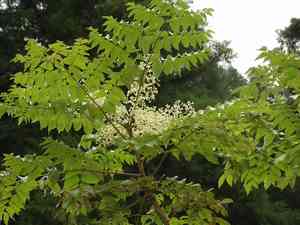
The Japanese angelica tree brings a special structural elegance to any garden through its characteristic shape and leaves.
2
Proper positioning of the Japanese angelica tree is vital for its best development and can improve its relationship with other flora.
3
Seasonal maintenance and correct trimming contribute to the enduring vitality and visual charm of the Japanese angelica tree.
Introducing the Japanese Angelica Tree in Garden Design
Appreciating the visual characteristics of the Japanese angelica tree
The Japanese angelica tree distinguishes itself in any setting due to its unique aesthetic qualities. With its distinctive structure, marked by robust, gracefully arching branches and expansive, verdant leaves, it can serve as both a focal point and a complementary element in various garden layouts. Its textured foliage and seasonal transformations add a dynamic aspect to your garden's visual composition.
Exploring the adaptability of the Japanese angelica tree across diverse garden styles
The Japanese angelica tree integrates effortlessly into different garden aesthetics, whether you prefer a formal, structured design or a more natural, untamed look. Its versatility makes it an excellent option for adding vertical interest, creating shaded zones, or acting as a transition between distinct garden areas. For contemporary gardens, its bold form complements minimalist designs, while in traditional gardens, it introduces an exotic touch.
Optimal Siting of the Japanese Angelica Tree in Your Garden
Selecting the ideal spot for cultivation
Choosing the best location for the Japanese angelica tree is vital for its robust development and landscape impact. It's important to pick an area with well-draining soil and ample room to accommodate its mature dimensions. Ideally, position it where it can receive partial shade, as excessive direct sun may stress the plant, while too much shade can hinder its growth. Consider placing it as a backdrop for shorter plants or as an accent tree in an open lawn.
How the Japanese angelica tree interacts with other flora
The Japanese angelica tree flourishes alongside many other plants, offering excellent synergy with both flowering and foliage varieties. Its towering presence can provide shelter and support for smaller plants that prefer dappled light. Furthermore, its fallen leaves enrich the soil, benefiting surrounding vegetation. When planning your garden, consider how the timing of the Japanese angelica tree's foliage changes might complement the blooming cycles of other plants to enhance seasonal appeal and color schemes.
Seasonal Considerations for the Japanese Angelica Tree
Prime times of year for planting the Japanese angelica tree
The best period to plant the Japanese angelica tree is in early spring or late autumn when the soil is workable, and the plant has sufficient time to establish roots before extreme temperatures arrive. Planting during these times ensures that the Japanese angelica tree can adapt to its new environment with minimal stress, leveraging mild temperatures and reliable moisture levels.
Adapting the landscape to the seasonal changes of the Japanese angelica tree
The Japanese angelica tree presents a shifting landscape feature throughout the seasons, with its vibrant spring growth, lush summer foliage, and striking autumn hues. To maximize this natural seasonal display, arrange your garden layout with complementary plants that peak during the Japanese angelica tree's less active months. Utilize bulbs and perennials that bloom in early spring for pre-leaf interest, and incorporate late-blooming flowers and foliage plants that highlight the Japanese angelica tree's autumn spectacle.
Enhancing Aesthetics with the Japanese Angelica Tree
Fundamental care requirements
Consistent upkeep of the Japanese angelica tree ensures it remains a focal point of your garden for years. This includes regular watering during dry spells and applying mulch to retain moisture and protect the roots. Fertilizing in spring with a balanced fertilizer keeps the plant nourished. Monitoring for pests and diseases, and addressing them promptly, preserves the plant's health and beauty.
Managing growth: Pruning and shaping advice
Pruning the Japanese angelica tree is an essential task to control its growth and form. Perform pruning in late winter or early spring before new growth commences. Focus on removing any dead, diseased, or crossing branches to promote airflow and light penetration. Shape the plant to accentuate its natural form, carefully trimming for balance and proportion. Regular inspection and corrective pruning ensure the Japanese angelica tree maintains its desired appearance.
Maintenance Tips for the Long-Term Health of the Japanese Angelica Tree
Strategies for enduring health
For the long-term health of the Japanese angelica tree, establish a consistent care regimen that includes seasonal inspections and soil amendments. Ensure the soil remains well-drained and fertile by adding organic compost annually. Mulching helps maintain moisture and reduce weeds. Protect the trunk and roots during cold winters with an appropriate mulch layer, and consider windbreaks if planting in exposed areas. Observing and responding to the plant's needs as it matures is crucial for its longevity in your garden landscape.



