Enhancing Your Garden Design with the Norfolk island pine Plant: A Landscaping Guide
1
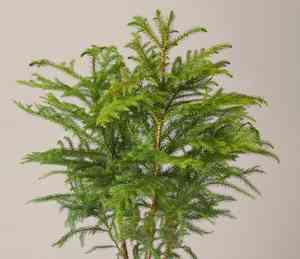
The Norfolk Island pine is recognized for its balanced form and abundant, year-round green leaves, bringing sophistication to any environment.
2
This tree flourishes in soil that drains effectively and receives adequate sunlight, allowing it to adapt to various garden designs.
3
Consistent trimming assists the Norfolk Island pine in preserving its structure and improves its aesthetic quality.
Introducing Norfolk Island Pine in Outdoor Settings
Overview of Norfolk Island Pine and its visual appeal
The Norfolk Island Pine makes a stunning addition to any home garden with its balanced form and evergreen leaves. Its distinct look provides an elegant and exotic feel, making it a prominent feature. The tree's tiered, soft-needled branches evoke a sense of peace and grandeur, giving it a timeless charm that suits various garden styles.
Advantages of integrating Norfolk Island Pine into home landscapes
Incorporating Norfolk Island Pine into your outdoor space offers several advantages. Beyond its aesthetic value, it acts as a natural air purifier, enhancing air quality around your residence. Its evergreen nature ensures year-round greenery, providing consistent beauty regardless of the season. Moreover, Norfolk Island Pine requires relatively little upkeep, making it an excellent choice for both new and experienced gardeners.
Optimal Placement for Norfolk Island Pine Cultivation
Examining sun exposure and soil conditions for Norfolk Island Pine
Norfolk Island Pine thrives best in well-draining soil and prefers moderate sunlight. Ideally, select a planting site where the tree can receive a mix of sun and partial shade throughout the day. Avoid overly wet areas, as excessive moisture can lead to root rot. Amending the planting spot with some organic material can help retain moisture while ensuring proper drainage.
Best landscape areas to maximize aesthetics with Norfolk Island Pine
To maximize the visual appeal of Norfolk Island Pine in your landscape, consider placing it in prominent spots such as the center of a lawn, near driveways, or as a welcoming feature by the entrance. Its towering structure can beautifully frame views or create a natural backdrop for other plantings. Additionally, planting Norfolk Island Pine along a garden path adds an element of charm, drawing eyes upward and creating a sense of vertical interest.
Design Concepts with Norfolk Island Pine
Utilizing Norfolk Island Pine as a focal point in garden design
Using Norfolk Island Pine as a central element in your garden design adds character and a strong visual anchor. Its symmetrical form and lush foliage can create a striking centerpiece in a garden bed or as a solitary specimen on the lawn. Pairing Norfolk Island Pine with ground covers or low-growing shrubs can enhance its majestic quality, allowing it to stand out even more.
Companion plants that complement Norfolk Island Pine in setup
When choosing companion plants for Norfolk Island Pine, select species that thrive in similar conditions and won't compete for light and nutrients. Ferns, hostas, and ornamental grasses are excellent choices to plant alongside Norfolk Island Pine. These plants create a layered, textural contrast that complements the tree's elegant shape. Adding flowering perennials like azaleas or rhododendrons can introduce seasonal color bursts that highlight Norfolk Island Pine's evergreen beauty.
Maintaining Visual Appeal with Norfolk Island Pine
Seasonal care tips for aesthetic maintenance
To maintain the visual appeal of Norfolk Island Pine, regular seasonal care is essential. Water the tree consistently, especially during dry periods, and apply mulch around the base to help retain soil moisture. Fertilizing once a year with a balanced, slow-release fertilizer can ensure healthy growth. Inspect for pests and diseases periodically, treating any issues promptly to prevent damage.
Pruning strategies to enhance plant structure
Pruning is a crucial aspect of keeping Norfolk Island Pine looking its best. Regularly remove dead or damaged branches to facilitate healthy growth and maintain the tree's clean, symmetrical appearance. Pruning should be done in late winter or early spring before new growth begins. Using sharp, clean tools, make cuts just outside the branch collar to promote healing. Proper pruning not only enhances the structural integrity of Norfolk Island Pine but also improves light penetration and air circulation.



