Enhancing Your Garden Design with the Christmas berry Plant: A Landscaping Guide
1
Christmas berry provides a distinct visual charm that can greatly improve your garden's attractiveness.
2
Selecting the appropriate site and companion plants is vital for the best development and appearance of Christmas berry.
3
Grasping seasonal shifts and consistent upkeep are essential for Christmas berry to flourish throughout the year.
Introducing Christmas Berry in Garden Design
Appreciating the distinct visual charm of Christmas berry.
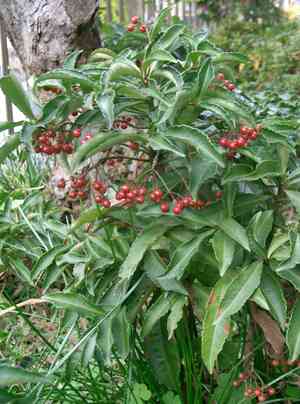
Christmas berry adds a special allure to any garden or outdoor area with its vivid fruits and rich green leaves. The plant's brilliant red berries, which frequently emerge in colder months, offer a striking contrast against its deep green foliage, making it a prominent feature in your garden. Furthermore, its compact size allows it to integrate well into various garden layouts, from structured flowerbeds to more relaxed, natural environments.
Advantages of incorporating Christmas berry into your outdoor spaces.
Including Christmas berry in your landscape provides several benefits beyond its visual appeal. For instance, it can serve as a focal point, drawing attention and creating interest in your garden. It also functions as wildlife-friendly vegetation, as its berries attract birds and other creatures, enhancing the biodiversity of your outdoor area. Moreover, Christmas berry requires relatively little upkeep, making it an excellent option for both new and experienced gardeners.
Optimal Locations for Christmas Berry in Your Garden
Selecting sunny or shaded spots for Christmas berry.
Christmas berry flourishes in both sunny and partially shaded locations, offering flexibility in planting. However, ensuring it receives morning sun while being shielded from intense afternoon sun can foster healthier growth and more vibrant berries. Areas that get filtered sunlight throughout the day are also superb choices.
Strategic placement advice for best growth and visibility.
For peak growth and enhanced visibility, consider placing Christmas berry near pathways, garden entrances, or as a border plant. Its eye-catching berries and lush foliage create a great first impression when positioned in highly visible areas. Additionally, ensure proper spacing between plants to allow adequate air circulation, which can help prevent common plant ailments.
Combining Christmas Berry with Other Plants
Compatible plant varieties for Christmas berry.
Pairing Christmas berry with plants that have contrasting foliage or blossoms can create a dynamic and appealing garden space. Evergreen shrubs and perennials like holly and ferns can complement Christmas berry's fruits and leaves, adding texture and depth to your garden. Other red- or purple-berry producing plants can establish a unified theme and enhance the overall aesthetic.
Crafting a harmonious color scheme with Christmas berry.
When designing your landscape, consider a color palette that complements Christmas berry's vibrant red berries and green leaves. White or light-colored flowers can offer a beautiful contrast, highlighting Christmas berry's unique characteristics. Coordinating with colors like deep greens, silvers, and blues can also create a visually calming and balanced garden space.
Seasonal Considerations for Christmas Berry
Best times of year to plant Christmas berry.
The ideal time to plant Christmas berry is during spring or early autumn when the soil is moist and temperatures are moderate. Planting during these periods allows roots to establish well before the extreme heat of summer or cold of winter arrives. Avoid planting during peak summer or the coldest winter months to give your Christmas berry the best start.
How Christmas berry's appearance transforms with seasons.
Christmas berry offers year-round appeal with its evergreen foliage, but its most striking feature is the display of bright red berries that typically emerge in winter. During spring and summer, the plant produces white to pinkish flowers that add to its aesthetic charm. Understanding these seasonal shifts can help you design a garden that is visually pleasing throughout the year.
Maintaining the Visual Appeal of Christmas Berry
Routine care tips for optimal health.
Regular maintenance is vital for keeping your Christmas berry healthy and attractive. Water the plant consistently, ensuring the soil stays moist but not waterlogged. Prune any dead or damaged branches to encourage new growth, and fertilize your Christmas berry with a balanced feed during the growing season to promote vibrant foliage and berry production. Regularly inspect for pests and diseases to address any issues promptly.
Addressing common challenges with Christmas berry.
Christmas berry is generally robust, but it can encounter issues such as pest infestations and diseases. Common pests include scale and spider mites, which can be managed with insecticidal soap or natural predators like ladybugs. Fungal diseases can be prevented with proper spacing for air circulation and by avoiding overhead watering. If you notice any signs of disease, act quickly to prune affected areas and maintain plant health.



