Enhancing Your Garden Design with the Sea thrift Plant: A Landscaping Guide
1
Armeria maritima flourishes in soil that drains effectively and in areas with ample sunlight.
2
Integrating Armeria maritima alongside rocks and pebbles can achieve a visually appealing, organic aesthetic.
3
Armeria maritima requires minimal upkeep, making it perfect for individuals with limited gardening time.
Understanding the Role of Sea thrift in Landscaping
Environmental benefits of including Sea thrift in garden designs
Sea thrift is known for its hardiness and minimal upkeep, making it an excellent choice for eco-conscious gardeners. It tolerates drought and thrives in poor soil, thereby decreasing the need for excessive water and nutrients. This plant also aids in preventing soil erosion due to its dense root system, making it perfect for stabilizing slopes and other vulnerable areas in your garden.
Visual impact and aesthetic considerations
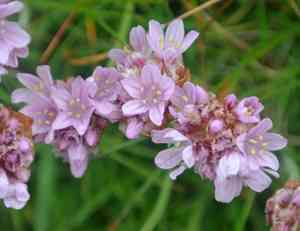
With its charming, spherical blooms and clumps of grass-like leaves, Sea thrift adds both color and texture to your landscape. Available in various shades of pink, white, and purple, it can complement any color scheme. The compact and tidy growth habit of Sea thrift makes it perfect for border edges, rock gardens, and even container planting, giving your garden a neat yet natural appearance.
Integration with other plants and elements
Sea thrift blends well with a wide range of other plants and garden features. Its adaptability allows it to pair beautifully with both blooming and non-blooming plants. When placed alongside ornamental grasses, perennials, or even succulents, it offers a lovely contrast that enhances the overall texture and color of the landscape. Its low-growing nature also means it won't overshadow other plants.
Selecting the Right Spot for Sea thrift
Assessing sunlight and shade requirements
Sea thrift thrives in sunny locations but can endure partial shade. For optimal growth and flowering, choose a spot that receives at least six hours of direct sunlight daily. If you're planting in an area with less sunlight, expect fewer blooms but still a healthy plant. Be mindful of providing sufficient light for Sea thrift to flourish and display its full array of colors.
Soil type preferences and drainage needs
One of the most crucial factors for Sea thrift is well-draining soil. Poor drainage can lead to root rot, which could be harmful to the plant. Sandy or loamy soils are ideal for Sea thrift, but it can also adapt to poor soils as long as drainage is adequate. Consider mixing sand or grit into heavier soils to improve drainage capabilities before planting.
Proximity to other landscaping features
Planting Sea thrift near other landscaping features like pathways, patios, and water elements can enhance the overall aesthetic appeal of your garden. The neat, bushy appearance of Sea thrift works wonderfully as an edging plant along walkways or driveways. Ensure that it isnât too crowded by other plants or features, allowing it the space to grow and display its natural beauty.
Incorporating Sea thrift with Hardscaping Elements
Combining Sea thrift with rocks and stones
Sea thrift is an excellent choice for rock gardens due to its preference for well-drained soil and sunny spots. The contrast between the delicate flowers and rugged rocks creates a visually appealing natural look. You can use larger rocks as focal points and plant Sea thrift around them to create a cohesive and attractive display. Consider using different sizes and textures of stones to add depth and interest.
Designing pathways and borders with Sea thrift
Using Sea thrift to line pathways and borders not only adds beauty but also provides functionality. Its low-growing habit makes it a perfect natural border that wonât obstruct views or pathways. Plant Sea thrift in a staggered pattern along walkway edges or mix it with other low-growing plants for a varied and interesting look. This will help define spaces while adding a splash of color and texture.
Utilizing Sea thrift in retaining walls and raised beds
Integrating Sea thrift into retaining walls and raised beds can be a unique and innovative way to showcase this plant. Its resilient nature allows it to thrive in the well-drained conditions typically found in raised beds. Plant Sea thrift along the edges or in between stones of retaining walls to soften the hardscaping and add visual interest. This approach not only enhances the structural elements but also brings a touch of nature to otherwise plain surfaces.
Seasonal Considerations for Sea thrift
Best planting times for optimal growth
The best time to plant Sea thrift is during the cooler months of spring or fall when the temperatures are moderate. This allows the plant to establish its roots before the more extreme weather of summer or winter sets in. Planting during these periods will give Sea thrift the best chance to thrive and bloom beautifully.
Prepping Sea thrift for changing seasons
As the seasons change, so should your care routine for Sea thrift. In the spring, focus on cleaning up any dead foliage from winter and give the plant a light feed with a balanced fertilizer to promote blooming. During the hot summer months, ensure regular watering, especially in prolonged dry periods. Come fall, reduce watering and prepare the plant for winter by mulching around the base to protect the roots.
Maintenance tips throughout the year
Maintenance of Sea thrift is relatively easy and low-key. Deadheading spent flowers will encourage more blooms and keep the plant looking neat. Trim back any overgrown foliage to maintain its compact shape. Periodically check for pests and diseases, although Sea thrift is generally resistant to most common garden problems. Regular but minimal care will keep Sea thrift thriving year-round.
Creative Ideas for Sea thrift in Garden Themes
Thematic gardens: Coastal, rock, or cottage styles
Sea thrift is versatile and can fit into various garden themes. In coastal gardens, it mimics the natural coastal flora and can withstand salty conditions. In rock gardens, its preference for well-drained, rocky conditions makes it a perfect match. For cottage gardens, Sea thrift's delicate flowers and neat growth add charm and whimsy, blending well with other traditional cottage garden plants.
Using Sea thrift in minimalist or modern designs
For minimalist or modern gardens, the simple yet elegant appearance of Sea thrift can be an asset. Its tidy, mounded form provides clean lines and structure, aligning with the principles of minimalist design. Using a monochromatic palette or planting Sea thrift in geometric patterns can enhance the modern look and feel of your garden.
Pairing Sea thrift with contrasting colors and textures
Pairing Sea thrift with plants that offer contrasting colors and textures can create stunning visual effects. Consider combining Sea thrift with bold, dark foliage plants or those with large, dramatic leaves to highlight its delicate flowers. The contrast will draw attention to Sea thrift's unique features, creating a vibrant and dynamic garden space.



