Enhancing Your Garden Design with the Tree wormwood Plant: A Landscaping Guide
1
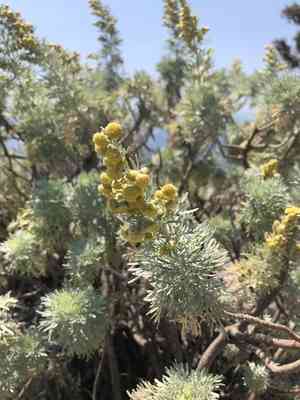
Tree wormwood is a visually impressive plant that can act as a central feature in any garden.
2
Selecting the appropriate site and substrate is vital for the robust development of Tree wormwood.
3
Regular maintenance and seasonal readiness guarantee Tree wormwood flourishes year-round.
Introducing Tree Wormwood in Garden Design
Exploring the aesthetic appeal of Tree wormwood
Tree wormwood offers a distinct visual charm that can enhance your garden's appearance. With its silvery-green leaves and delicate, intricate foliage, Tree wormwood adds a touch of grace and texture to any outdoor area. The plant's subtle yet striking look makes it an excellent choice for creating a calm and refined garden setting. Its evergreen nature ensures your garden retains its allure year-round, providing a consistent backdrop or focal point for other seasonal plants.
Advantages of integrating Tree wormwood into outdoor spaces
Incorporating Tree wormwood into your garden provides numerous benefits. This resilient plant is drought-tolerant and can thrive in various soil types, making it an ideal option for gardeners seeking low-maintenance solutions. Tree wormwood also aids in reducing soil erosion and can be utilized on slopes or in areas where soil stability is a concern. Furthermore, its aromatic leaves can act as a natural pest deterrent, improving your garden's overall health and attractiveness.
Optimal Planting Locations for Tree Wormwood
Identifying sun-drenched areas in your garden for Tree wormwood
For Tree wormwood to flourish, selecting the correct garden spot is vital. Ideal locations are sunny areas, as Tree wormwood requires ample sunlight for healthy development. Observing your garden's sun patterns can help pinpoint spots that receive at least six hours of direct sunlight daily. Planting Tree wormwood in these bright locations will ensure it gets the necessary light, contributing to its vigorous growth and vibrant foliage.
Considering soil composition and water drainage
The soil type and its drainage capabilities are crucial for the successful growth of Tree wormwood. This plant prefers well-drained soils with a neutral to slightly alkaline pH. Sandy or loamy soils are perfect, as they prevent waterlogging, which can be harmful to Tree wormwood. If your garden has heavy clay soil, consider amending it with organic material or constructing raised beds to improve drainage. Proper soil preparation ensures Tree wormwood has the best environment for developing strong roots.
Design Concepts Utilizing Tree Wormwood
Creating focal points with Tree wormwood
Tree wormwood can be effectively used as a central feature in your garden design. Given its unique foliage and structure, placing Tree wormwood at key positions can attract attention and generate visual interest. Whether you position it in the center of a garden bed, along pathways, or in individual planters, Tree wormwood can serve as a foundational plant that connects different garden sections. Its height and texture also offer a fantastic contrast to softer, more colorful plants.
Companion plants for Tree wormwood
To enhance Tree wormwood's beauty, consider pairing it with complementary plants. Its silvery foliage contrasts beautifully with plants that have darker, richer colors or bold blooms. Plants like lavender, Russian sage, or purple coneflower can create stunning visual harmony with Tree wormwood. Additionally, using grasses or succulents as companions can add to the textural variety and visual layers in your garden, making Tree wormwood-centered areas stand out impressively.
Seasonal Considerations for Tree Wormwood
Best times of year for planting Tree wormwood
While Tree wormwood is a resilient plant, timing your planting can significantly impact its growth. The optimal time to plant Tree wormwood is during the cooler months of early spring or fall when temperatures are mild. This allows the plant to establish its roots without the stress of extreme heat or cold. Planting during these periods also gives Tree wormwood a head start before the summer's dry spells or winter's frosts, leading to stronger growth and a healthier plant.
Preparing Tree wormwood for various seasons
Preparing Tree wormwood for seasonal changes ensures its longevity and health. In spring, remove any dead foliage and apply a slow-release fertilizer to support new growth. During summer, ensure it receives adequate water, especially during extended dry periods, but avoid overwatering. In fall, a light pruning can help shape the plant and remove any weak or damaged branches. Winter preparations involve mulching around the base to protect the roots from frost and cold snaps. By taking these steps, you help Tree wormwood remain vibrant and healthy throughout the year.
Tree Wormwood Maintenance Tips
Regular care practices for Tree wormwood
Routine care for Tree wormwood involves several key practices. Consistent watering, particularly during dry spells, is crucial, but be careful not to overwater. Mulching around the base helps retain moisture and prevent weeds. Pruning is essential to maintain the plant's shape and encourage new growth; this can be done lightly throughout the growing season and more thoroughly during fall. Additionally, occasional feeding with a balanced fertilizer supports robust growth and foliage vibrancy.
Addressing common issues with Tree wormwood
While Tree wormwood is relatively easy to care for, it can encounter some common challenges. Pests like aphids or spider mites might occasionally target Tree wormwood, and using natural insecticides or attracting beneficial insects can help manage these. Overwatering can lead to root rot, so ensuring proper drainage is critical. If you notice any signs of disease, such as discolored foliage or stunted growth, promptly addressing the issue with appropriate fungicides or plant care practices can prevent further problems.



