Enhancing Your Garden Design with the Swamp milkweed Plant: A Landscaping Guide
1
Swamp milkweed needs little maintenance, perfect for gardeners with limited time.
2
Swamp milkweed draws in butterflies, enhancing garden biodiversity.
3
Swamp milkweed thrives in diverse environments, promoting strong development.
Why Choose Swamp Milkweed for Your Landscape?
Ease of Maintenance: Low-maintenance qualities that suit busy gardeners.
Swamp milkweed is an excellent option for those with limited time or who prefer a hands-off gardening approach. Once established, this plant needs minimal care, thriving with basic watering and occasional trimming. Its natural pest and disease resistance means fewer issues, making it a simple and dependable garden addition.
Adaptability: Thrives in a variety of environmental conditions.
Whether your garden plot is frequently moist or experiences dry periods, Swamp milkweed is a great fit. It shows remarkable flexibility, flourishing in diverse soil types and varying moisture levels. This versatility makes it an ideal choice for gardens facing unpredictable weather or varied environmental settings.
Visual Appeal: Offers vibrant colors and an organic aesthetic.
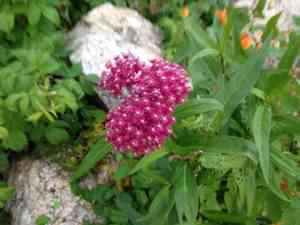
Swamp milkweed brings a burst of color and natural charm to any outdoor space. Its rich shades and delicate form create visual interest, fitting beautifully into both wild and manicured designs. The striking blossoms not only boost aesthetic appeal but also add a touch of grace and sophistication to your garden.
Incorporating Swamp Milkweed into Different Landscape Styles
Traditional Gardens: Complements classic garden layouts with its natural charm.
Swamp milkweed blends perfectly into traditional garden designs. Its timeless beauty and structured shape make it an ideal partner for roses, peonies, and other classic flora. Planted along borders or in garden beds, Swamp milkweed enhances the vintage appeal, bringing a refined yet natural look to your landscape.
Modern Landscapes: Enhances contemporary designs with clean lines and minimalism.
For those who appreciate crisp lines and modern aesthetics, Swamp milkweed offers ideal balance. Its upright growth and sleek appearance work well in contemporary gardens, emphasizing simplicity and elegance. Paired with gravel paths or minimalist outdoor furniture, Swamp milkweed helps maintain the clean and orderly feel of a modern garden.
Wildlife-Friendly Spaces: Attracts butterflies and beneficial insects, promoting biodiversity.
Creating a wildlife-friendly garden is simpler with Swamp milkweed, as it naturally draws butterflies, bees, and other helpful insects. This not only aids in pollination but also fosters a healthy ecosystem. Planting Swamp milkweed supports local wildlife, making your garden a vibrant and dynamic environment full of life.
Seasonal Considerations for Swamp Milkweed in Your Garden
Spring Planning: Best practices for integrating Swamp Milkweed early in the season.
Spring is the perfect time to plant Swamp milkweed, ensuring a full growing season for establishment. Prepare the soil by enriching it with compost to encourage strong root development. Planting in early spring allows Swamp milkweed to benefit from moist soil conditions, leading to vigorous growth throughout the season.
Summer Care: Tips for maintaining the health of Swamp Milkweed during peak temperatures.
During hot summer months, it's vital to keep Swamp milkweed adequately hydrated. Regular watering helps it endure the heat, but ensure proper drainage to prevent waterlogging. Mulching around the base can help retain moisture and keep roots cool, promoting lush, healthy foliage.
Autumn Preparation: Preparing Swamp Milkweed for dormancy and colder weather.
As autumn approaches, begin readying Swamp milkweed for colder months by trimming dead stems and applying a layer of mulch to shield roots from frost. This seasonal upkeep helps Swamp milkweed enter dormancy and ensures it will return robustly in spring, ready to bloom again.
Companion Planting with Swamp Milkweed: Maximizing Beauty and Benefits
Complementary Colors: Plants that enhance the visual impact of Swamp Milkweed.
Pairing Swamp milkweed with plants of complementary colors can create stunning visual effects in your garden. Consider plants with contrasting shades or similar palettes to highlight Swamp milkweed's beauty. For instance, combining it with yellows, purples, and whites can enhance its vibrant tones and create a harmonious, eye-catching garden.
Mutual Growth Support: Selecting companions that thrive together.
Choosing companion plants that grow well alongside Swamp milkweed is essential for a flourishing garden. Look for plants with similar water and sunlight needs to ensure cohesive growth. Species that can coexist without competing for resources will create a supportive, interconnected garden environment.
Pest Control: Natural ways to protect Swamp Milkweed and its neighbors.
Incorporating plants that naturally deter pests can offer protection for Swamp milkweed and its companions. Herbs like basil, mint, and lavender not only ward off unwanted insects but also add fragrant and aesthetic benefits to your garden. This natural pest control method helps maintain a healthy, balanced ecosystem.



