Enhancing Your Garden Design with the False buck's beard Plant: A Landscaping Guide
1
False buck's beard flourishes in areas with partial to complete shade, ideal for dim garden locations.
2
Combining False buck's beard with ferns and hostas improves its visual attractiveness.
3
Consistent care guarantees False buck's beard retains its beauty throughout the year.
Introducing False buck's beard in Landscape Design
Understanding the visual appeal of False buck's beard
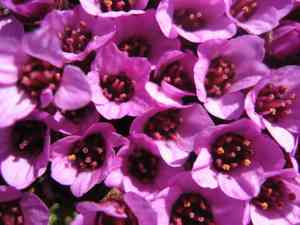
False buck's beard is recognized for its delicate plumes and rich green leaves, bringing a refined and graceful element to any garden. Its striking, colorful flowers that appear in summer create a lovely contrast against the green background, making it an ideal choice for adding texture and color to shaded areas. Its soft, airy blooms can impart a sense of whimsy and sophistication, making it an attractive plant for various garden styles.
The function of False buck's beard in garden planning and arrangement
In garden planning, False buck's beard serves a vital role as a border plant or as part of a mixed perennial bed. Its foliage forms a dense, appealing mound that can effectively fill empty spaces, while its height and shape offer vertical interest. Whether lining paths, highlighting water features, or filling garden beds, False buck's beard brings unity and structure to garden layouts. It can also act as a beautiful focal point in shaded garden corners, drawing the eye and creating a sense of depth and dimension.
Selecting the Optimal Spot for False buck's beard
Factors to consider for ideal placement
When choosing the best location for planting False buck's beard, consider elements such as soil composition, moisture levels, and the amount of sunlight the area receives. False buck's beard thrives in humus-rich, consistently moist soils. Avoid areas prone to waterlogging as this can negatively impact the plant's health. Select a spot that offers filtered sunlight or partial shade, as too much direct sun can cause the foliage to wilt and diminish its overall visual appeal.
How light and shade influence False buck's beard's growth
False buck's beard performs best in conditions where it receives partial to full shade. While it can endure some sun, excessive direct light can result in scorched leaves and reduced blooms. In shaded environments, False buck's beard tends to flourish, producing vibrant, fuller plumes. This makes False buck's beard an excellent option for planting beneath larger trees or alongside structures that cast long shadows.
Integrating False buck's beard with Other Plants
Companion plants that enhance False buck's beard's beauty
To boost the visual impact of False buck's beard, consider pairing it with plants that offer contrasting textures and colors. Ferns, with their delicate fronds, provide an excellent textural complement, while hostas offer bold foliage that highlights False buck's beardâs airy flowers. Plants like heucheras, with their colorful leaves, can add an extra layer of interest. Consider the bloom times of these companion plants to ensure a continuous display throughout the growing season.
Advice for creating harmonious plant arrangements
Creating harmonious plant groupings involves considering height, texture, and color. Position shorter companion plants at the front and taller ones at the back to create a layered effect. Ensure the plants share similar soil and light requirements for consistent growth. Group plants in odd numbers and vary the spacing to avoid an overly structured appearance. A mix of foliage textures can add depth and ensure the garden remains captivating even when some plants are not in bloom.
Seasonal Considerations for False buck's beard
What to expect in spring and summer
In spring, False buck's beard begins its growth cycle, with lush foliage emerging and preparing for the flowering period. By early summer, the plant reaches its peak, showcasing feathery plumes that add vibrancy to the garden. Regular watering and occasional feeding with a balanced fertilizer can promote strong growth and abundant blooms. Mulching helps retain soil moisture and provides a tidy appearance.
Preparing False buck's beard for autumn and winter
As autumn approaches, False buck's beardâs blooms fade, and it's time to get the plant ready for winter. Cut back the spent flowers and consider applying a layer of mulch to protect the roots from freezing temperatures. While False buck's beard is generally resilient, providing some winter protection can help maintain its vigor. In late winter or early spring, remove any mulch to allow new growth to emerge unhindered.
Maintaining Aesthetics Year-Round
Regular maintenance tips for lasting beauty
Consistent care is crucial for preserving False buck's beard's visual appeal. Regular watering, especially during dry periods, ensures the plant remains healthy. Deadheading spent blooms encourages new growth and extends the flowering period. Every few years, consider dividing the plant to manage its size and promote more vigorous growth. Fertilize in early spring with a slow-release fertilizer to give your plant a strong start to the growing season.
Quick solutions to common aesthetic issues
Common challenges such as leaf scorch, pest damage, or die-back can detract from False buck's beardâs beauty. Address these issues promptly by adjusting watering routines, applying appropriate pest control measures, and providing partial shade to alleviate leaf scorch. Prune damaged or diseased foliage to keep the plant looking its best. A little attention and quick responses to problems can keep False buck's beard looking stunning throughout the year.



