Enhancing Your Garden Design with the Blue wild indigo Plant: A Landscaping Guide
1
Blue wild indigo offers aesthetic appeal and significant ecological advantages.
2
Assessing light exposure and ground composition is vital for Blue wild indigo's successful development.
3
Caring for Blue wild indigo is straightforward through consistent upkeep and recognizing its inherent growth habits.
Introducing Blue Wild Indigo in Landscape Design
Visual Impact of Blue Wild Indigo in Garden Settings
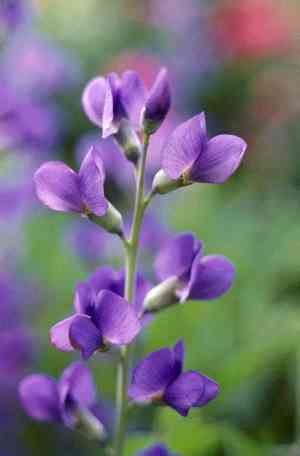
Integrating Blue wild indigo into your garden scheme can instantly elevate its visual charm. Renowned for its vivid colors and distinctive foliage, Blue wild indigo serves as an impressive focal point or a delightful addition to any plant collection. Its rich green leaves paired with striking flower spikes enhance the garden's texture and depth, fostering an attractive environment enjoyable throughout the year.
Ecological Advantages of Incorporating Blue Wild Indigo into Your Garden
Blue wild indigo offers more than just beauty to your garden; it provides significant environmental benefits. This plant attracts pollinators such as bees and butterflies, supporting local biodiversity. It's known for improving soil quality by fixing nitrogen, boosting the fertility of nearby plants. Furthermore, Blue wild indigo is a low-maintenance species, often requiring fewer resources and less water than other garden plants, making it an environmentally conscious choice for your landscape.
Selecting the Optimal Site for Blue Wild Indigo
Considerations for Choosing a Planting Location
Choosing the ideal spot for Blue wild indigo involves several key factors. Primary among these is space, as Blue wild indigo exhibits a spreading growth habit that needs ample room. You should also assess the area's drainage to prevent waterlogging, which can impede the plant's development. Moreover, it's crucial to select a location that complements your landscape's overall design, integrating seamlessly with other garden elements while allowing Blue wild indigo to stand out.
Assessing Sunlight and Soil Conditions for Blue Wild Indigo
Blue wild indigo thrives best in full sun to partial shade, needing at least six hours of direct sunlight daily. When evaluating soil, look for well-drained types with a slightly acidic to neutral pH. If your garden's soil is heavy clay or sandy, consider enriching it with organic matter to improve its structure and fertility. By ensuring proper sunlight exposure and soil health, you create an optimal environment for Blue wild indigo to flourish.
Design Principles Utilizing Blue Wild Indigo
Creating Visual Highlights with Blue Wild Indigo
Employing Blue wild indigo to establish focal points in your garden can capture attention and generate striking visual interest. To achieve this, position Blue wild indigo in strategic spots where it can be prominentâsuch as near entrances, along paths, or in the center of a flower bed. Its bold and beautiful flower spikes will naturally draw the eye, making it a captivating centerpiece. Pairing Blue wild indigo with complementary plants can further enhance this effect, adding layers and dynamic visual appeal to your landscape.
Using Blue Wild Indigo to Enhance Your Garden's Color Scheme
Blue wild indigo is excellent for introducing a burst of color to your garden, particularly in spring and summer when its flowers are in full bloom. Its vibrant blue and purple tones can complement various color palettes and offer a harmonious contrast to other plants. By mixing Blue wild indigo with other perennials and annuals, you can craft a stunning, multi-hued display that adds vibrancy and cheerfulness to your garden. This deliberate use of color can significantly improve your landscape's overall aesthetic.
Pairing Blue Wild Indigo with Other Plants
Companion Plants That Thrive Alongside Blue Wild Indigo
Blue wild indigo pairs beautifully with a variety of other plants, fostering a balanced and harmonious garden. Consider combining it with ornamental grasses, which can complement its growth habit and provide textural contrast. Other suitable companions include perennials like daylilies, coneflowers, and salvias, all of which prefer similar growing conditions and create a cohesive look when planted together. By selecting compatible plants, you can enhance the beauty and utility of your garden space.
Achieving Seasonal Balance in Planting with Blue Wild Indigo
To ensure your garden remains appealing year-round, it's crucial to plan for seasonal balance. While Blue wild indigo offers vibrant color during specific seasons, pairing it with plants that bloom at different times can keep your garden attractive throughout the year. Spring bulbs can precede Blue wild indigoâs bloom, while late-blooming perennials or autumn foliage can extend interest well past its flowering period. By strategically choosing plants that offer sequential blooming, you can create a dynamic and ever-evolving garden landscape.
Maintaining the Aesthetic Appeal of Blue Wild Indigo
Simple Grooming Practices for Optimal Blue Wild Indigo Appearance
Maintaining Blue wild indigo is relatively straightforward with a few basic grooming techniques. Regularly remove spent flowers to encourage continuous blooming and prevent the plant from looking untidy. In late fall, you can cut back the foliage to prepare it for winter dormancy. These minor maintenance steps ensure that Blue wild indigo remains healthy and visually appealing throughout the growing season.
Managing Blue Wild Indigo's Natural Growth for Landscape Beauty
Understanding and guiding the natural growth patterns of Blue wild indigo can help you preserve its beauty in your landscape. This plant tends to develop a bushy, rounded form, which can be managed through occasional pruning to maintain its shape. If the plant becomes too large for its allocated space, strategically trimming it back can promote denser growth and more abundant flowering. By aligning your maintenance practices with Blue wild indigoâs natural tendencies, you can sustain its aesthetic appeal and overall health.



