Enhancing Your Garden Design with the Leatherleaf mahonia Plant: A Landscaping Guide
1
Leatherleaf mahonia serves as an impressive centerpiece in both classic and sustainable garden layouts.
2
Where Leatherleaf mahonia is situated influences its development and aesthetic, making site choice vital.
3
Consistent upkeep is necessary to maintain Leatherleaf mahonia's optimal look and avoid typical problems.
Introducing Leatherleaf Mahonia to Your Landscape
Appreciating the visual charm of Leatherleaf Mahonia
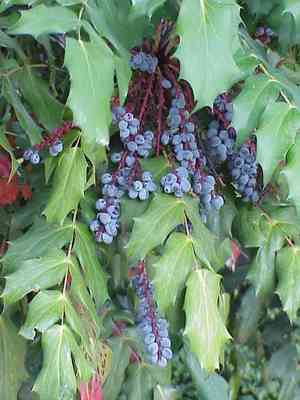
A primary reason gardeners favor Leatherleaf Mahonia is its distinct visual appeal. With its rich, tough leaves and bright yellow blooms, it can bring elegance and color to any garden. Its unique look makes it an excellent focal point, drawing attention and adding depth and structure to landscaping. Whether used alone or in a mixed border, Leatherleaf Mahonia stands out for its decorative value.
Leatherleaf Mahonia's contribution to sustainable landscaping
Leatherleaf Mahonia also plays a key role in fostering eco-friendly landscaping. This robust plant is known for its minimal maintenance and resilience, making it an ideal choice for sustainable gardening. It tolerates various soil types and conditions, reducing the need for chemical fertilizers and pesticides. Furthermore, its dense growth helps prevent soil erosion and offers a home for beneficial insects and wildlife, supporting a balanced and healthy garden ecosystem.
Selecting the Ideal Location for Leatherleaf Mahonia
Key considerations for planting Leatherleaf Mahonia
Choosing the correct spot for Leatherleaf Mahonia is vital for its health and visual impact. Evaluate soil quality, as it thrives in well-drained, fertile ground. Ensure good air circulation to prevent disease and root rot. Also, assess space requirements; Leatherleaf Mahonia can grow quite large, so allow ample room for it to expand without crowding nearby plants.
Impact of light and shade on Leatherleaf Mahonia
Sunlight and shade significantly influence Leatherleaf Mahonia's growth and appearance. It prefers partial shade but can endure full sun in cooler climates. In hot regions, providing some protection from direct afternoon sun helps prevent scorching and leaf damage. Observing daily sun patterns in your garden can help you select the perfect spot for optimal growth.
Pairing Leatherleaf Mahonia with Other Plants
Optimal companion plants for Leatherleaf Mahonia
To create an attractive and diverse garden, consider pairing Leatherleaf Mahonia with complementary plants. Shade-loving perennials like ferns and hostas are excellent companions, sharing similar growing needs. Combining Leatherleaf Mahonia with flowering plants such as azaleas and rhododendrons can add color contrast and enhance the overall design. Additionally, groundcovers like ivy or vinca can provide a lush base around Leatherleaf Mahonia, completing the look.
Design recommendations for a cohesive arrangement
Achieving a harmonious garden design with Leatherleaf Mahonia requires careful arrangement and spacing. Avoid overcrowding by giving each plant sufficient room to grow and display its unique features. Use Leatherleaf Mahonia as a backdrop for smaller, colorful plants or as a central element in a mixed border. Consider layering plants of varying heights and textures to create depth and visual interest. Utilize pathways and edging to define garden areas and maintain a tidy, organized appearance.
Seasonal Care for Leatherleaf Mahonia
Seasonal expectations for Leatherleaf Mahonia
Leatherleaf Mahonia offers year-round appeal in the garden, with each season highlighting different aspects of its beauty. In spring, enjoy the vibrant yellow blooms that attract pollinators. The lush green foliage provides a cooling effect in summer. Fall brings a subtle shift in leaf color, while winter emphasizes the plantâs structure and persistent leaves. This seasonal versatility makes Leatherleaf Mahonia a valuable addition to any garden.
Preparing Leatherleaf Mahonia for climatic shifts
To maintain Leatherleaf Mahonia's health through seasonal changes, take proactive steps to prepare for weather shifts. In cold climates, mulch around the base to protect roots from freezing. During dry spells, provide adequate water to prevent stress, ensuring deep, even irrigation. In areas prone to heavy snowfall, gently brush off accumulated snow to prevent breakage. By anticipating and addressing seasonal challenges, you can ensure the longevity and beauty of Leatherleaf Mahonia in your garden.
Maintaining Leatherleaf Mahonia's Appearance
Routine care tips for peak beauty
Maintaining Leatherleaf Mahonia's aesthetic appeal involves consistent care and attention. Prune the plant annually to remove dead or damaged branches and to shape it for a tidy look. Apply a balanced fertilizer in early spring to support growth and flowering. Monitor for pests and diseases, addressing any issues promptly to prevent their spread. Regular watering and mulching help keep the soil healthy and conditions optimal for growth.
Addressing common visual issues with Leatherleaf Mahonia
Despite its resilience, Leatherleaf Mahonia can experience visual problems like leaf discoloration, leggy growth, or pest damage. Address yellowing leaves by adjusting watering or soil pH. Trim leggy branches to encourage denser growth. Use natural or organic pest control methods to manage infestations. Regular inspections and timely interventions can keep Leatherleaf Mahonia looking lush and healthy year-round, enhancing its role in your garden landscape.



