Enhancing Your Garden Design with the Creeping barberry Plant: A Landscaping Guide
1
Selecting the appropriate plant is essential for an effective landscape design.
2
Creeping barberry offers both visual appeal and functional advantages in gardens.
3
Strategic planting alongside Creeping barberry can enhance development and defense.
Introducing Creeping Barberry in Landscape Design
Overview of Creeping Barberry's features relevant to landscaping
Creeping barberry is a robust and adaptable plant offering many landscaping advantages. Its low-growing nature, appealing foliage, and seasonal blooms make it a favored option among gardeners and designers. Resilient to diverse environmental conditions, it flourishes in various soil types and demands minimal upkeep.
The significance of selecting appropriate plants for landscape layouts
Choosing the correct plants is fundamental to effective landscape design. Proper plant selection boosts visual appeal, ensures sustainability, and simplifies upkeep. Creeping barberry fits this model by providing an attractive look with low maintenance, making it an ideal candidate for diverse landscaping endeavors.
Designing with Creeping Barberry: Aesthetic Advantages
Visual appeal of Creeping Barberry: How it contributes to garden beauty
Creeping barberry adds distinct visual charm to any garden. Its rich, evergreen leaves and seasonal flowers provide color and depth throughout the year. Used as ground cover or accent foliage, it creates a harmonious, layered appearance, perfect for both traditional and modern garden styles.
Color and texture: How Creeping Barberry enriches landscape variety
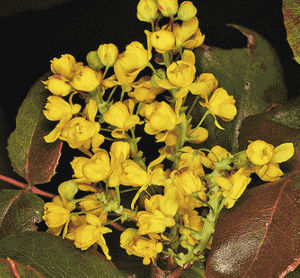
The texture and color of Creeping barberry enhance garden diversity by introducing unique visual and tactile elements. Its serrated leaves offer varying green hues across seasons, while spring's yellow flowers and later blue berries add just the right color pop. These elements combine to form a rich, multi-dimensional landscape.
Practical Benefits of Including Creeping Barberry
Low maintenance: How simple is it to care for Creeping Barberry?
Creeping barberry is renowned for its minimal care requirements. Once established, it needs infrequent watering and generally resists pests and diseases. Its adaptability to different soil types and environmental conditions further reduces the need for intensive care, making it ideal for gardeners seeking a beautiful yet easy-to-manage addition.
Space efficiency: Suitable for both small and large gardens
Whether you possess a compact courtyard or an expansive backyard, Creeping barberry can be a versatile inclusion. Its ground-covering habit efficiently uses space, filling bare areas and forming a lush, green carpet. It can also be trimmed to fit specific spots or allowed to spread naturally, making it adaptable to gardens of any size.
Companion Planting with Creeping Barberry
What are the best companion plants for Creeping Barberry?
Companion plants are crucial for successful landscaping with Creeping barberry. Suitable partners include taller shrubs and perennials that offer contrasting textures and colors. Plants like lavender, yarrow, and ornamental grasses complement Creeping barberry by adding height and variety, creating a balanced and visually pleasing garden structure.
Benefits of companion planting: Boosting growth and protection
Companion planting with Creeping barberry offers mutual advantages, enhancing both development and safeguarding. Certain companion plants can deter pests, attract pollinators, and improve soil quality. These interactions foster a healthier, more resilient garden ecosystem, ensuring both Creeping barberry and its companions flourish.
Case Studies: Successful Landscapes Featuring Creeping Barberry
Real-world examples of landscapes utilizing Creeping Barberry
Many successful landscapes feature Creeping barberry as a primary component. For instance, city parks have employed it to create low-maintenance ground cover in extensive green areas. Private gardens often use it along paths or as border plants, valuing its aesthetics and ease of care.
What insights can we gain from these case studies?
These case studies illustrate Creeping barberry's adaptability and effectiveness in various environments. They emphasize the importance of integrating low-maintenance, visually appealing plants into landscape design. By examining these examples, we can gather inspiration and practical advice for incorporating Creeping barberry into our own landscaping projects.



