Enhancing Your Garden Design with the Queensland bottle tree Plant: A Landscaping Guide
1
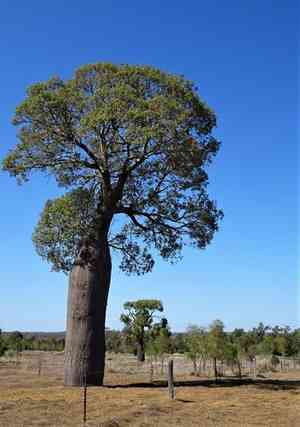
The Queensland bottle tree features a distinctive, bottle-like trunk, enhancing the aesthetic charm of any landscape.
2
Provide the Queensland bottle tree with sufficient direct sunlight for optimal growth and to display its finest attributes.
3
Consistent care, encompassing adequate irrigation, trimming, and pest management, is crucial for the Queensland bottle tree's well-being.
Understanding the Distinctive Qualities of the Queensland Bottle Tree
Unique form and visual impact
A most striking characteristic of the Queensland bottle tree is its peculiar bottle-shaped trunk. This singular profile stands out in any setting, offering a captivating focal point. Its thick trunk not only serves as a dramatic visual element but also stores water, making it exceptionally resilient in arid conditions. The rough, textured bark adds to its rugged charm, contrasting beautifully with more delicate garden flora.
Growth dimensions and spread
Grasping the Queensland bottle tree's growth patterns is vital for effective landscape integration. Typically, it can attain heights of up to 20 meters and spread to about 10 meters wide. These measurements make it suitable for expansive areas where its grandeur can be fully appreciated. However, its slow growth rate allows for greater flexibility in placement, as it takes many years to reach its full size.
Seasonal transformations and aesthetic appeal
The Queensland bottle tree provides year-round visual interest, adapting its appearance with the changing seasons. Its evergreen foliage ensures a constant green presence, while in spring and summer, it bursts into bloom with creamy, bell-shaped flowers. In autumn, its leaves may adopt a slightly different hue, adding subtle variations to your landscape. This seasonal display keeps your garden dynamic and engaging throughout the year.
Choosing the Perfect Location for Your Queensland Bottle Tree
Evaluating light and shade requirements
The Queensland bottle tree thrives best in full sunlight, so it's crucial to plant it where it can receive ample light throughout the day. While it can endure partial shade, positioning it in a brightly lit area ensures robust development and maximum visual impact. Consider the sun's path in your garden to select the most effective spot.
Preferred soil conditions
The Queensland bottle tree is well-adapted to various soil types but favors well-draining soil. Sandy or loamy soils are sufficient, and you can improve drainage if necessary by incorporating organic matter or sand. Avoid heavy clay soils as they can retain too much moisture, leading to root rot and other health issues. Testing and amending your soil before planting can set the Queensland bottle tree up for long-term success.
Considering growth space and proximity to structures
Given the Queensland bottle tree's potential size, ensure there is sufficient room for it to grow without encroaching on buildings, fences, or other plants. Maintaining a reasonable distanceâat least 5-10 meters from structuresâwill prevent future problems related to root spread and canopy expansion. Plan for its mature dimensions to keep your landscape design harmonious and uncluttered.
Designing with the Queensland Bottle Tree: Theme Integration and Companion Plants
Selecting themes that highlight the Queensland bottle tree's strengths
When designing your landscape, choose themes that emphasize the Queensland bottle tree's striking features. A desert or xeriscape garden is an excellent choice, making the most of its drought-resistant nature and exotic appearance. Modern gardens can also benefit from the architectural form of the Queensland bottle tree, adding structured elegance without overwhelming a minimalist design.
Combining with other plants: color and texture considerations
Pair the Queensland bottle tree with plants that complement its unique appearance. Consider contrasting textures and colors: the smooth foliage of succulents or the vibrant flowers of native wildflowers can provide visually appealing contrasts. These companions enhance the Queensland bottle tree's presence, creating a balanced and visually engaging garden. Additionally, choose companion plants that thrive under similar conditions to promote a healthy ecosystem.
Seasonal planning for enduring appeal
To maintain visual interest throughout the year, plan your plantings to offer seasonal variety. Incorporate flowering plants that bloom at different times, and consider evergreens for consistent greenery. By staggering the blooming periods and varying the shades and textures, you ensure that your garden remains captivating no matter the season.
Maintenance Tips to Enhance the Queensland Bottle Tree's Vitality
Practical advice on watering and nutrition
Although the Queensland bottle tree is drought-tolerant, proper watering is crucial for its health, especially for young trees. Water deeply but infrequently to encourage root growth. During dry spells, increase the watering frequency slightly. As for nutrition, applying a balanced, slow-release fertilizer each spring can support its growth without over-fertilizing.
Pruning for health and aesthetics
Regular pruning helps maintain the Queensland bottle tree's shape and health. Remove dead or damaged branches to prevent disease and pest issues. Pruning can also be used to shape the canopy, encouraging a strong, aesthetic form. Late winter or early spring is the optimal time for pruning, as it prepares the tree for vigorous growth in the coming months.
Monitoring and protecting from pests
Routine monitoring for pests like borers and caterpillars is critical. Inspect your tree regularly and take swift action if you notice any signs of infestation. Natural predators or targeted organic treatments can control outbreaks without harming the environment. Keeping your tree healthy through proper care reduces its vulnerability to pests.



