Enhancing Your Garden Design with the Common boxwood Plant: A Landscaping Guide
1
Common boxwood offers remarkable adaptability, establishing it as a favored option for diverse landscape layouts.
2
This species demonstrates strong hardiness, flourishing across various times of the year when properly attended to.
3
Ingenious applications for Common boxwood feature inventive sculpted shapes and understated stylistic components.
Grasping the Significance of Common Boxwood in Garden Design
The visual appeal of Common boxwood
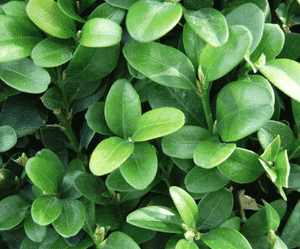
A primary reason gardeners and designers favor Common boxwood is its lush, evergreen leaves, which maintain their beauty all year. Its thick, small foliage offers a rich texture that complements various garden features. Whether aiming for a classic, structured look or a more relaxed, natural style, Common boxwood's adaptable beauty can fulfill your requirements.
Why Common boxwood is a preferred choice for cultivators
Cultivators frequently opt for Common boxwood due to its minimal upkeep and robust nature. This plant flourishes in diverse soil types and environmental settings. Furthermore, Common boxwood exhibits strong resistance to pests compared to other shrubs, making it a dependable option for both novice and seasoned gardeners. It also responds well to trimming and shaping, enabling imaginative landscaping applications.
Leveraging the structural qualities of Common boxwood
Common boxwood is recognized for its compact and dense growth habit, making it ideal for establishing structure within a garden. It can be utilized to create neat hedges, formal boundaries, or even elaborate topiaries. By positioning Common boxwood around walkways, patios, and key features, you can establish distinct lines and defined areas, enhancing the order and refinement of any landscape plan.
Integrating Common Boxwood into Various Landscape Styles
Combining Common boxwood with other plants in a formal setting
In a formal garden design, integrating Common boxwood with other flora can heighten the space's sophistication. Common boxwood harmonizes well with perennials such as lilies and roses, introducing splashes of color amidst its green foliage. Employ Common boxwood to establish balance and definition, amplifying the garden's overall formal allure.
Utilizing Common boxwood in casual or cottage-inspired landscapes
For a cottage-style garden, Common boxwood's adaptability shines. It can be intermingled with an assortment of flowering plants to cultivate a relaxed, romantic ambiance. The advantage of Common boxwood is its ability to provide a green backdrop that accentuates the vibrant blooms of hydrangeas, delphiniums, and daisies, adding depth and diversity to the landscape.
Generating contrast and visual interest with Common boxwood
Creating visual appeal is crucial for any effective landscape design, and Common boxwood can achieve this through contrast. Its dense, green foliage can be positioned against lighter, more open plants to forge a pleasing visual equilibrium. Consider placing Common boxwood near ornamental grasses, ferns, or even trees to break up uniformity and introduce dynamic contrast into your garden.
Seasonal Considerations for Common Boxwood in Your Garden
The durability of Common boxwood across different seasons
A key attribute of Common boxwood is its capacity to thrive through various seasons. Its evergreen characteristic ensures your garden remains lush and vibrant, even during colder periods. This resilience means Common boxwood can provide consistent structural interest throughout the year, making it an excellent long-term investment for your outdoor space.
Optimal planting periods and seasonal care advice for Common boxwood
To maximize the benefits of Common boxwood, it is crucial to plant it during ideal seasons, typically spring or autumn when conditions are milder. Consistent watering during its establishment phase is vital, and applying mulch can help retain moisture. Pruning should occur in late winter or early spring to foster healthy growth and maintain the desired form.
Preparing Common boxwood for extreme climatic conditions
Although Common boxwood is quite robust, preparation for severe weather is important. In winter, shielding plants from heavy snow and ice with burlap coverings can prevent branch damage. During hot, arid summers, ensuring a steady water supply helps maintain plant vitality. A bit of extra attention during these times can significantly contribute to your Common boxwood's flourishing.
Innovative Uses of Common Boxwood in Landscape Architecture
Creative topiary designs using Common boxwood
One of the most artistic applications for Common boxwood is in topiary. Thanks to its dense foliage and receptiveness to trimming, Common boxwood can be sculpted into diverse forms, from basic geometric shapes to more complex patterns. This makes it a favorite for infusing gardens with artistic flair, highlighting entryways, or establishing whimsical focal points.
Edging and border techniques with Common boxwood
Common boxwood also excels as a plant for creating borders and edges. Its ability to be precisely trimmed makes it perfect for lining pathways, driveways, and garden beds. Using Common boxwood as an edge can help demarcate areas within your landscape and add a crisp, clean element that beautifully contrasts with softer planting schemes.
Incorporating Common boxwood into minimalist or contemporary designs
For those who prefer minimalist or modern garden aesthetics, Common boxwood is an excellent selection. Its simple, green appearance offers a sleek, refined look that can complement contemporary architectural features and hardscapes. Planting Common boxwood in repeated patterns or clean lines can contribute to a sophisticated, uncluttered garden environment.



