Enhancing Your Garden Design with the Peacock flower Plant: A Landscaping Guide
1
The peacock flower introduces vivid hues and distinct tactile qualities to any garden setting.
2
The peacock flower draws in advantageous creatures like bees and butterflies.
3
The peacock flower is an easy-to-care-for plant that flourishes across different seasonal environments.
Introducing Peacock Flower in Landscape Design
Understanding the fundamental traits of Peacock flower
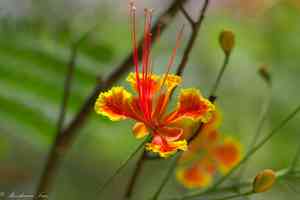
When considering Peacock flower for your outdoor space, grasping its core characteristics is crucial. This plant is renowned for its striking, vibrant blossoms, which infuse a tropical feel into any setting. It typically grows as a shrub, featuring distinct, colorful flowers ranging from yellow and orange to red. Its delicate, fern-like leaves offer a rich background, adding depth and texture to garden layouts. The resilience of Peacock flower, coupled with its unique visual appeal, makes it a favored option among gardeners and designers.
Why opt for Peacock flower in your garden?
Selecting Peacock flower for your garden offers numerous benefits. Beyond its stunning visual impact, it's adaptable and flourishes in diverse soil types and climates. Peacock flower demands minimal upkeep, making it ideal for both novice and seasoned gardeners. Its drought-resistant nature means it can withstand extended periods without water, lessening the need for frequent irrigation. Moreover, Peacock flower draws pollinators like bees and butterflies, fostering a healthy ecosystem in your garden.
Integrating Peacock Flower into Your Landscape
Designing your garden layout with Peacock flower
Effective landscape planning requires careful consideration, and incorporating Peacock flower can introduce vivid color and structure to your garden. Start by choosing a spot that receives ample sunlight, as Peacock flower thrives in bright, sunny locations. Account for the plant's mature size when spacing it in your garden to prevent overcrowding. Utilize Peacock flower as a central feature in your design or as part of a mixed border. Pair it with compatible plants that share its growing conditions and visual traits for a cohesive look.
Combining Peacock flower with other plant species
Thoughtful plant pairings can elevate the allure of Peacock flower. Combine it with plants that exhibit contrasting colors and textures to forge a dynamic and captivating garden area. For instance, the bright blooms of Peacock flower appear magnificent alongside the deep greens of evergreen shrubs or the soft tones of ornamental grasses. Ensure you select plants with similar water and sunlight requirements to guarantee all elements of your garden thrive together.
Seasonal considerations for Peacock flower care
Grasping the seasonal behavior of Peacock flower will aid in maintaining its vitality and appearance throughout the year. This plant typically flowers from late summer to early autumn, providing a burst of color when many other plants have finished blooming. During its dormant phase, prune Peacock flower to preserve its form and encourage robust growth in the subsequent year. Applying mulch in late fall can shield its roots from frost in colder regions, ensuring it returns healthy and vibrant each spring.
Aesthetic Advantages of Peacock Flower
Visual appeal across different seasons
A key attribute of Peacock flower is its capacity to offer visual interest year-round. During the active growing period, its colorful blossoms and lush, green foliage create a lively and inviting atmosphere. As the flowers fade, the foliage itself continues to add texture and depth. Even in winter, the plant's structure can contribute architectural appeal to your garden. By including Peacock flower, your garden can maintain a captivating appearance through various seasons.
Influence on the overall atmosphere of garden areas
Peacock flower significantly enhances the overall feel of outdoor environments. Its bright flowers cultivate a cheerful and vibrant setting, perfect for unwinding and enjoyment. The presence of pollinators drawn by Peacock flower adds to the sense of a flourishing, living landscape. This plant can be strategically placed around seating areas, pathways, or as a highlight in garden beds to create a welcoming and visually pleasing outdoor space.
Practical Benefits of Using Peacock Flower in Outdoor Settings
Resilience and minimal upkeep requirements
A primary practical advantage of Peacock flower is its hardiness and low maintenance demands. This drought-tolerant plant is ideal for gardens in areas with water restrictions or for those aiming to reduce water consumption. Furthermore, Peacock flower is resistant to many common pests and diseases, lessening the need for chemical treatments and frequent monitoring. Its easy-going nature allows it to thrive with little care, making it a perfect choice for busy gardeners or those new to landscaping.
Wildlife attraction and ecological contributions
Opting for Peacock flower in your garden not only boosts its beauty but also supports local wildlife and ecological balance. The vivid flowers attract bees, butterflies, and other pollinators, playing a crucial role in your garden's health as they assist in pollinating other plants. Additionally, Peacock flower can provide shelter and food for various beneficial insects, fostering biodiversity in your garden. This plant's ability to flourish in diverse soil conditions also helps prevent erosion and maintain soil vitality.



