Enhancing Your Garden Design with the American beautyberry Plant: A Landscaping Guide
1
The American beautyberry flourishes in diverse soil conditions, making it a flexible option for numerous garden settings.
2
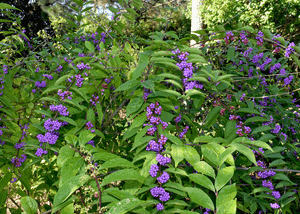
This shrub is recognized for its vibrant fruit, which can create a striking centerpiece in your outdoor space.
3
Beyond its visual charm, the American beautyberry provides advantages for native fauna, especially avian species and beneficial insects.
Why Incorporate American Beautyberry into Your Garden?
Visual Allure: Enhancing your garden's charm
A primary motivation to integrate American beautyberry into your garden is its undeniable visual appeal. With its vivid berries and appealing leaves, American beautyberry can transform a dull garden into a vibrant sanctuary. Its distinctive appearance makes it an excellent option for adding visual interest and establishing focal points within your landscape design. The bright purple fruits stand out against the green foliage, making them a conversation starter and a visual delight for guests.
Low Maintenance: Why American beautyberry is an easy-care selection
Not only is American beautyberry attractive, but it is also remarkably simple to maintain. This plant demands minimal upkeep, making it perfect for both beginner gardeners and those with busy schedules. Once established, American beautyberry is drought-tolerant and can flourish with little attention. It does not require frequent trimming, and it can adapt to various soil types, including sandy and clay soils. Its low-care nature makes it a practical and appealing addition to any garden.
Ecosystem Support: Advantages for local wildlife
Adding American beautyberry to your garden can offer significant benefits to local wildlife. The berries are a preferred food source for birds, which can help manage insect populations and pollinate other plants in your garden. Furthermore, American beautyberry provides shelter and habitat for various species, contributing to a healthy and balanced ecosystem. By planting American beautyberry, you are not only enhancing your garden's beauty but also supporting local wildlife and promoting biodiversity.
Designing Your Landscape with American Beautyberry
Selecting the Optimal Location: Sunlight and soil requirements
When planning your landscape with American beautyberry, choosing the correct spot is vital for the plant's health and development. American beautyberry thrives in well-drained soil and prefers a location with partial to full sunlight. While it can tolerate a range of soil types, good drainage is essential to prevent root rot. It's also important to consider the mature size of American beautyberry, which can grow up to 6 feet tall and wide, ensuring you provide ample space for it to flourish without overcrowding other plants.
Companion Planting: Plants that thrive alongside American beautyberry
Creating a harmonious garden involves selecting companion plants that flourish alongside American beautyberry. Consider pairing American beautyberry with plants that have similar soil and sunlight needs. Native grasses, perennials, and other shrubs can complement American beautyberry's aesthetic and create a balanced landscape. Plants like coneflowers, asters, and native ferns can enhance visual appeal and foster a healthy garden environment by attracting more pollinators and beneficial insects.
Achieving Color Harmony: Balancing foliage and bloom hues
Attaining a pleasing color balance in your garden design is crucial. American beautyberry's vibrant purple berries can be harmonized with other plants' foliage and bloom colors to create a cohesive look. Consider incorporating plants with contrasting or complementary colors, such as plants with yellow flowers or foliage, to make the purple berries of American beautyberry stand out. Additionally, the green foliage of American beautyberry can serve as a neutral backdrop, allowing other colorful blooms in your garden to shine.
Seasonal Considerations for American Beautyberry
Spring Preparation: Pruning and early fertilization advice
Spring is a critical period for preparing American beautyberry for the growing season. During this time, you should trim any dead or damaged branches to encourage healthy new growth. Pruning can also help maintain the plant's shape and size. Early in the spring, consider applying a balanced fertilizer to provide the necessary nutrients for vigorous growth. By preparing American beautyberry properly in the spring, you set the stage for a healthy and thriving plant throughout the year.
Summer Care: Watering and pest management insights
During the hot summer months, American beautyberry requires consistent watering to maintain its health, especially during extended dry periods. Ensure the soil remains moist but not waterlogged. Mulching around the base can help retain moisture and regulate soil temperature. Keep an eye out for common pests like aphids or spider mites, and address any infestations promptly with organic pest control methods. Proper summer care ensures American beautyberry remains vibrant and robust.
Fall and Winter Readiness: Protecting American beautyberry during colder months
As fall approaches, prepare American beautyberry for the colder months ahead. Consider cutting back the plant and removing any fallen debris to prevent diseases. Applying a layer of mulch around the base can help protect the roots from freezing temperatures. In regions with harsh winters, additional measures like burlap wrapping may be necessary to shield American beautyberry from severe cold and wind. With proper fall and winter care, American beautyberry can survive the colder months and be ready to flourish again in the spring.



