Enhancing Your Garden Design with the Turtle vine Plant: A Landscaping Guide
1
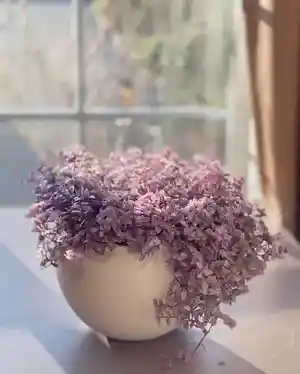
Turtle vine boasts rich, attractive leaves that maintain their color throughout the year.
2
This adaptable plant readily conforms to diverse garden designs.
3
It's easy to care for and integrates effortlessly into various outdoor aesthetics.
Why Turtle Vine is Perfect for Landscaping
Attractive leaves and growth pattern
Turtle vine is highly valued for its lush, appealing foliage. Its trailing stems and dense leaves form a beautiful ground cover or a cascading display in pots or hanging baskets. This growth habit makes it an excellent choice for adding texture and depth to your garden. Furthermore, its unique leaf shape and vibrant green, sometimes purplish, hues make Turtle vine a visually striking option that can enhance any garden's aesthetic.
Year-round vibrant look
Turtle vine maintains a lively appearance throughout the year, which is a significant benefit for gardeners. Unlike some plants that only look good seasonally, Turtle vine keeps its lush and vibrant look all year. This evergreen quality ensures your garden stays attractive in every season, offering continuous visual interest without constant replanting or seasonal adjustments.
Easy integration into various garden styles
A key feature of Turtle vine is its seamless adaptability to different garden styles. Whether you have a modern, minimalist garden or a more traditional, naturalistic landscape, Turtle vine can fit your design. Its versatile nature allows it to be used as ground cover in large open areas, as a border plant along paths, or as a cascading element in container gardens, making it a valuable addition to diverse landscaping projects.
Incorporating Turtle Vine into Different Garden Themes
Tropical and exotic themes
Turtle vine flourishes in tropical and exotic garden themes, adding lushness and vibrancy. Its dense foliage and cascading growth make it an ideal partner for larger-leaved tropical plants, creating a rich, rainforest-like atmosphere. Use Turtle vine alongside palm trees, ferns, and other tropical flora for a cohesive and exotic landscape design. This combination can transport you to a tropical paradise in your own backyard.
Modern minimalistic designs
Turtle vine also integrates well into contemporary, minimalistic garden designs. Its clean lines and uniform growth can bring order and simplicity to modern landscapes. Pair Turtle vine with sleek, architectural elements like concrete planters, metal accents, and minimalist sculptures to create a sophisticated and streamlined garden. Incorporating Turtle vine into rock gardens or as part of a living wall can provide a fresh, green backdrop without overwhelming the minimalist aesthetic.
Cottage and woodland environments
For those who appreciate the charm of cottage gardens and woodland settings, Turtle vine is an excellent choice. Its natural, slightly wild appearance complements the informal, layered planting typical of these styles. Use Turtle vine to weave through perennial beds, around stepping stones, or at the base of shrubs and trees to create a cohesive, natural look. The plant's ability to spread and fill gaps makes it perfect for softening path edges and blending different garden elements.
Creative Placement Ideas for Turtle Vine in Gardens
Ground covers for lush green carpets
Turtle vine can be effectively used as a ground cover to create lush green carpets in your garden. Its dense growth and sprawling stems quickly cover bare soil, providing a rich, green blanket that suppresses weeds and retains moisture. This application is especially useful in larger garden areas needing low-maintenance ground coverage. Additionally, using Turtle vine as ground cover helps prevent soil erosion on slopes and uneven terrain.
As border edges along pathways
Another excellent placement idea for Turtle vine is to use it as border linings along pathways. The plant's compact growth and striking foliage can create a beautiful and defined edge for garden paths, driveways, and flower beds. The trailing nature of Turtle vine ensures it doesn't obstruct the walkway, while still adding visual interest and definition. Integrating Turtle vine along pathways can guide the eye through the garden, creating a cohesive and aesthetically pleasing layout.
Hanging and vertical garden accents
Turtle vine is also a superb choice for hanging and vertical garden accents. Its trailing stems look stunning cascading from hanging baskets or over the edges of planters and containers. This creates a waterfall effect that adds a dynamic and eye-catching element to your garden space. Furthermore, Turtle vine can be used in vertical gardens and living walls, where its dense foliage provides thick, verdant coverage. This placement versatility allows you to experiment with various configurations and enhance your garden's visual appeal.
Caring for Turtle Vine in Your Landscape: Key Advice
Light and location preferences
Turtle vine thrives best in spots receiving bright, indirect light. While it can handle some direct sun, prolonged exposure to intense sunlight can scorch its leaves. It can also grow in low light, though its growth might be slower. Finding the right light balance is crucial for maintaining the plant's vibrant appearance. Ideal locations would have filtered sunlight or partial shade, making Turtle vine adaptable for various garden areas.
Watering schedule and needs
Properly watering Turtle vine is vital for its health and upkeep. The plant prefers consistently moist soil but can endure short dry spells. It's important to avoid waterlogging, which can lead to root rot. During the growing season, water Turtle vine regularly to keep the soil slightly damp. In its dormant period, reduce watering frequency, ensuring the soil remains barely moist. A balanced watering routine ensures lush, healthy growth and lasting vibrant appearance.
Seasonal care considerations
Seasonal care for Turtle vine involves minor adjustments to its routine to suit changing weather. In warmer months, ensure sufficient watering and consider mulching to retain soil moisture. During colder seasons, protect Turtle vine from frost by moving potted plants indoors or covering outdoor plants with frost cloth. Prune regularly to manage growth and shape, removing dead or damaged stems. This seasonal attention helps Turtle vine thrive year-round, maintaining its aesthetic appeal and robust health.



