Enhancing Your Garden Design with the China aster Plant: A Landscaping Guide
1
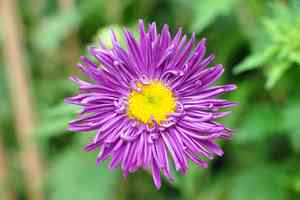
China aster brings vivid hues, distinct forms, and varied textures to any garden space.
2
Place China aster in brightly illuminated spots to encourage best growth and flowering.
3
China aster is suitable for formal, rustic, and modern garden designs.
Appreciating the Beauty of China Aster
Visual Allure: How China Aster Enhances Color and Energy
A primary reason to incorporate China aster into your garden design is its captivating visual appeal. With blooms available in a diverse range of rich, striking shades, China aster can instantly invigorate any outdoor space. Whether you desire bold reds, vibrant pinks, or serene blues, China aster offers a spectrum to match every taste. This color variety can forge dramatic contrasts or harmonious blends within your garden, making China aster a versatile option for boosting aesthetic value.
Form and Texture: Integrating China Aster's Distinctive Qualities
China aster offers more than just color. The plant also introduces unique forms and textures to your landscape. Its abundant, layered petals create a full, rounded look that can add depth to your garden beds. Furthermore, the varied textures of its leaves and petals provide complexity and interest, breaking the uniformity of simpler plantings. By including China aster, you can cultivate a landscape that is as tactile as it is visually pleasing.
Year-Round Interest: China Aster's Charm Across Seasons
A notable characteristic of China aster is its capacity to sustain appeal throughout various seasons. While primarily recognized for its summer and early autumn flowers, the plant maintains an engaging presence year-round. In spring, the emerging foliage signals new beginnings, while in autumn, the lingering blooms can deliver a final burst of color before winter dormancy. This seasonal adaptability makes China aster a valuable addition to keep your garden vibrant and captivating throughout the year.
Optimal Placement Strategies for China Aster in Your Garden
Sunlight and Shade: Locating the Ideal Position
For China aster to truly flourish, selecting the correct spot in your garden is essential. This plant thrives best in areas that receive ample sunlight, ideally six to eight hours daily. However, it can also tolerate partial shade, which might be advantageous in extremely hot regions. Positioning China aster where it gets morning sun and afternoon shade can help prevent flower colors from fading and keep the plant healthy and vigorous.
Companion Plants: What Pairs Best with China Aster
Choosing suitable companion plants can amplify China aster's beauty and contribute to a cohesive garden design. Plants with contrasting foliage or blossoms, such as silver-leaved varieties or ornamental grasses, can wonderfully highlight China aster's vivid colors. Additionally, combining China aster with perennials and smaller shrubs can create a layered effect, adding richness and depth to your garden beds. Avoid overcrowding to ensure each plant has sufficient space to reach its full potential.
Spacing Considerations: Ensuring Adequate Room for Development
Correct spacing is crucial for China aster to thrive and maintain a healthy appearance. Overly dense plants are more prone to disease and reduced air circulation. When planting, ensure each China aster has approximately 12-18 inches (30-45 cm) of space from adjacent plants. This spacing allows ample room for growth and air movement, which is vital for minimizing the risk of fungal infections and other health issues. Proper spacing also facilitates easier access to your plants for maintenance and care.
Integrating China Aster into Various Landscape Styles
Formal Gardens: Enhancing Balance and Structure
China aster can be an excellent addition to formal garden settings, providing both symmetry and an organized look. Its structured blooms and dependable growth habits make it well-suited for formal designs, where uniformity and equilibrium are paramount. Plant China aster in evenly spaced rows or symmetrical arrangements to enhance the structured aesthetic of your formal garden layout.
Cottage Gardens: Achieving a Charming, Relaxed Appearance
For a more informal and romantic garden design, China aster fits perfectly into cottage garden styles. The relaxed, interwoven planting schemes of cottage gardens benefit from China aster's vibrant hues and textured blooms. Place China aster among other mixed perennials and annuals to create a charming, seemingly spontaneous arrangement that bursts with color and life. Its abundant flowers can help achieve that quintessential cottage garden aesthetic.
Contemporary Landscapes: Simple and Bold Designs
In contemporary landscape designs, where simplicity and boldness are often key elements, China aster can play a starring role. Utilize China aster's striking colors as focal points against a backdrop of minimalist greenery or hardscaping. The clean lines and modern aesthetic of contemporary gardens can be beautifully contrasted and softened by the lush blooms of China aster, creating a crisp, yet inviting space.
Seasonal Care and Maintenance Advice for China Aster
Spring Preparation: Starting Off Correctly
Spring is the time to ready China aster for its active growth period. Begin by enriching the soil with compost or well-rotted manure to supply essential nutrients. Plant seeds or transplants after the last frost, ensuring soil temperatures are warm enough for germination. Regularly inspect for pests and consider using natural deterrents to keep them at bay. Early spring is also the ideal time to stake taller varieties to support their development.
Summer Maintenance: Keeping China Aster Flourishing
Throughout summer, China aster requires consistent watering to thrive. Water deeply but avoid saturating the soil, as overly damp conditions can lead to root rot. Regular deadheading, or removing faded blooms, encourages continuous flowering and helps maintain a neat appearance. Monitor for common summer pests and address any infestations promptly with organic or chemical treatments, as needed.
Fall and Winter Care: Preparing for Inactivity
As autumn approaches, it's time to begin preparing China aster for the colder months. Gradually reduce watering as temperatures drop, and remove any dead or diseased foliage to minimize disease risks. Applying a layer of mulch around the base can protect the roots from freezing temperatures. If you reside in a particularly harsh climate, consider covering China aster with a protective fabric to shield it from extreme cold. Additionally, fall is a good time to collect seeds if you plan to propagate China aster the following spring.



