Enhancing Your Garden Design with the Carolina allspice Plant: A Landscaping Guide
1
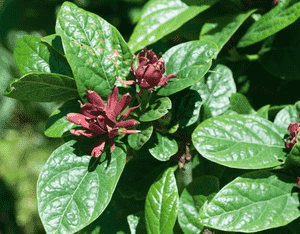
Carolina allspice provides a unique look that enhances the aesthetic appeal of any outdoor space.
2
Thoughtfully positioning Carolina allspice can establish striking central features in your yard.
3
Growing other plants alongside Carolina allspice can boost the attractiveness and variety of your garden.
Appreciating the Visual Appeal of Carolina Allspice
Unique look and its contribution to garden aesthetics
A primary reason Carolina allspice is valued in landscaping is its distinctive appearance. Its singular form and captivating blossoms can generate a striking visual appeal that sets it apart from other flora. The plant's blooms, often recognized for their bold hues and intricate shapes, become a central feature in any garden arrangement. This uniqueness can establish focal points that attract the eye, making your garden more engaging and lively.
Seasonal transformations and their decorative impact
What distinguishes Carolina allspice is its capacity to provide varied decorative effects throughout the year. During spring and summer, Carolina allspice bursts into flower, adding vibrant colors and fragrances to your outdoor area. As autumn approaches, the foliage of Carolina allspice changes, contributing rich, warm tones that complement the season. Even in winter, the plant's structure can add a sculptural element to the garden, ensuring your landscape remains captivating all year long.
Color scheme: Integrating Carolina allspice with other plants
Incorporating Carolina allspice into your garden's color scheme can be a delightful exercise in creativity. Given its unique flower colors and leaves, it can blend seamlessly with various other plants. Pairing Carolina allspice with contrasting colors can create a dynamic visual interaction, while complementary shades can produce a harmonious and calming effect. Experimenting with different combinations can help you achieve a balanced and aesthetically pleasing garden design.
Strategic Placement of Carolina Allspice in Your Garden
Selecting the optimal spot for growth and impact
Strategic placement of Carolina allspice is vital for maximizing both its development and aesthetic effect. Consider planting Carolina allspice in areas where you wish to draw attention, such as near entrances or along garden paths. Its unique bloom and structure can serve as an eye-catching element that guides visitors through your garden. Positioning it in these key spots not only enhances visual interest but also maximizes the plant's full potential.
Considerations for sunlight and soil conditions
To ensure Carolina allspice thrives, it's crucial to consider its specific sunlight and soil requirements. Carolina allspice generally prefers well-drained soil and can flourish under full sun to partial shade. Make sure the chosen location receives ample sunlight and the soil is adequately enriched to promote healthy growth. Familiarizing yourself with these conditions will ensure that Carolina allspice remains vibrant and continues to enhance your landscape.
Creating focal points with Carolina allspice
Carolina allspice can be effectively utilized to establish focal points in your garden design. Positioning it as a centerpiece in flower beds or as a standalone feature in open areas can attract attention and serve as a striking element of your landscape. Use Carolina allspice to capture visual interest and direct the viewer's gaze, making your garden both cohesive and captivating.
Companion Planting with Carolina Allspice
Ideal companion plants for Carolina allspice
Finding suitable companion plants for Carolina allspice can enhance both the visual appeal and vitality of your garden. Consider pairing Carolina allspice with plants that have complementary growth habits and colors. For instance, hostas and ferns can provide a lush, green backdrop that highlights Carolina allspice's vibrant flowers, while low-growing ground covers can help keep the soil moist and reduce weed growth around Carolina allspice.
Advantages of companion planting
Companion planting offers several benefits that extend beyond aesthetics. It can improve soil quality, assist in pest management, and increase biodiversity. For instance, pairing Carolina allspice with plants that attract beneficial insects can help manage pests naturally. Meanwhile, ground covers can improve soil nutrients and moisture levels, fostering a healthier growing environment for Carolina allspice.
Design concepts for group planting with Carolina allspice
When planning group plantings, consider layering Carolina allspice with other plants to create depth and visual interest. Taller plants can be placed behind Carolina allspice to form a natural backdrop, while smaller plants can be positioned in front to frame it. This tiered approach not only highlights the beauty of Carolina allspice but also adds complexity and richness to your garden design.
Year-Round Appeal: Maintaining Carolina Allspice's Charm Through the Seasons
Spring and summer care guidelines
Maintaining Carolina allspice's charm requires attentive care, particularly during its peak growth seasons in spring and summer. Regular watering, especially during dry periods, is crucial. Pruning spent flowers and any dead or damaged growth will encourage healthy blooms and maintain a tidy appearance. Applying a balanced fertilizer can also promote vigorous growth and vibrant flowers, keeping your Carolina allspice in prime condition.
Autumn and winter visual appeal
Even as temperatures drop, Carolina allspice continues to offer visual interest. In autumn, its leaves change color, adding warm hues to your garden. During winter, the plant's underlying structure can provide a striking silhouette against the snow or frost. To maintain its health, consider mulching around the base to protect the roots from harsh temperatures. This ensures that Carolina allspice remains a resilient and beautiful part of your landscape throughout the colder months.



