Enhancing Your Garden Design with the Clustered bellflower Plant: A Landscaping Guide
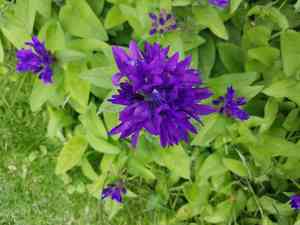
1
Clustered bellflower flourishes in soil that drains effectively and can endure various light exposures.
2
The vivid flowers of Clustered bellflower are capable of forming striking central features in your outdoor space.
3
Pairing Clustered bellflower with suitable companion flora can improve the general visual appeal of your garden.
Introducing Clustered Bellflower in Garden Design
Appreciating the visual charm of Clustered Bellflower
Clustered bellflower is celebrated for its striking groups of bell-shaped blossoms that can inject vibrant color into any garden setting. These flowers not only capture attention but also attract pollinators like bees and butterflies, boosting your garden's ecological health. The plant's abundant foliage offers a dense, appealing ground cover, making it an excellent choice for filling garden spaces and adding year-round visual interest.
Why Clustered Bellflower is a preferred option for gardeners
Gardeners frequently select Clustered bellflower due to its simple care and adaptability. This plant thrives in various soil types and light conditions, from full sun to partial shade. Its hardiness and minimal upkeep requirements make it an ideal choice for both new and experienced gardeners. Furthermore, the extended blooming period of Clustered bellflower ensures your garden stays lively and colorful for a prolonged duration, enhancing its appeal as a landscaping favorite.
Optimal Placement of Clustered Bellflower in Your Garden
Ideal spots for planting Clustered Bellflower
When deciding where to plant Clustered bellflower, choose areas that receive moderate to full sunlight and have well-drained soil. This plant performs well in garden beds, borders, and even as a ground cover. Placing Clustered bellflower along paths or garden edges can help define garden areas and create a unified look.
Creating focal points with Clustered Bellflower
You can utilize Clustered bellflower as a stunning centerpiece in your garden layout. Planting them in groupings or drifts can make a bold statement. For added visual impact, consider pairing Clustered bellflower with contrasting foliage or flower colors, allowing it to stand out even more in your landscape.
Companion plants that complement Clustered Bellflower
To enhance your garden's aesthetic appeal, combine Clustered bellflower with plants that complement its color and growth habit. Suitable companions include perennial grasses, lavender, and ornamental sages, which can offer a variety of textures and colors. These combinations not only beautify your garden but also support a healthy ecosystem by attracting diverse pollinators.
Seasonal Considerations for Clustered Bellflower
Best times of year for planting Clustered Bellflower
The optimal times to plant Clustered bellflower are during spring and early autumn when the soil is workable and temperatures are mild. Planting during these periods allows the plants to develop strong root systems before the extreme heat of summer or cold of winter arrives.
Managing seasonal growth cycles
Understanding and managing the growth cycles of Clustered bellflower is crucial for maintaining its health and appearance. During the growing season, ensure consistent watering, especially during dry spells, and apply a balanced fertilizer to encourage lush growth. In late fall, cutting back the stems helps the plant prepare for winter dormancy, promoting vigorous growth the following spring.
Design Tips for Integrating Clustered Bellflower into Garden Themes
Tailoring garden themes around Clustered Bellflower
Clustered bellflower can seamlessly integrate into various garden themes. For a cottage garden, combine it with roses, peonies, and delphiniums for a classic, romantic aesthetic. Alternatively, for a modern landscape, pair Clustered bellflower with sleek, green foliage and minimalist decor elements, highlighting its bold flower clusters and structured form.
Using Clustered Bellflower to enhance garden aesthetics
To boost your garden's visual appeal, consider the color, texture, and height of Clustered bellflower. Its vibrant flowers can serve as an accent color in a predominantly green landscape, breaking monotony and drawing attention. Additionally, the plant's height makes it suitable for mid-level placements, bridging the gap between low ground covers and taller plants or shrubs.
Maintaining the Aesthetic Appeal of Clustered Bellflower
Periodic tasks to keep Clustered Bellflower thriving
To keep Clustered bellflower looking its best, regular upkeep is essential. This includes deadheading spent blooms to encourage continuous flowering and prevent the plant from becoming leggy. Additionally, periodic division every few years helps manage its spread and ensures vigorous growth, preventing overcrowding and maintaining its lush appearance.
Addressing common aesthetic challenges
Common aesthetic challenges with Clustered bellflower involve dealing with pests and diseases that might mar its appearance. Regularly inspect your plants for signs of trouble, such as wilting, yellowing leaves, or unusual spots, and treat any issues promptly. Using organic pest control methods and ensuring good air circulation can mitigate many of these problems, keeping your Clustered bellflower plants healthy and attractive.



