Enhancing Your Garden Design with the Peach-leaved bellflower Plant: A Landscaping Guide
1
Peach-leaved bellflower flourishes optimally in areas with some shade, making it suitable for various garden designs.
2
Consistent removal of spent flowers from Peach-leaved bellflower promotes continuous flowering all season long.
3
Combining Peach-leaved bellflower with plants of different elevations can produce an aesthetically engaging garden.
Introducing Peach-leaved Bellflower in Garden Design
Aesthetic Qualities of Peach-leaved Bellflower
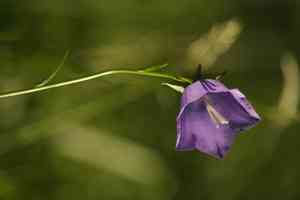
Peach-leaved bellflower showcases delicate, bell-shaped blossoms that gently sway in the breeze. Its slender, peach-hued stems and lush green leaves offer an elegant and timeless touch to any garden. The flowers appear in clusters, often in shades of blue, white, or purple, creating a calming and captivating visual effect. Their charming appearance makes Peach-leaved bellflower an excellent choice for both modern and classic garden styles, adding grace and tranquility.
Peach-leaved Bellflower's Popularity in Contemporary Gardens
Recently, Peach-leaved bellflower has become incredibly popular among gardeners of all skill levels. Its adaptability and low maintenance needs make it a favorite for modern garden landscapes. From cottage gardens to urban green spaces, Peach-leaved bellflower fits in effortlessly. It has even been featured in many renowned botanical gardens, further highlighting its appeal and widespread admiration.
Optimal Placement of Peach-leaved Bellflower in Your Garden
Understanding Light and Shade Requirements
Peach-leaved bellflower thrives in partial shade to full sun, allowing for flexible positioning within your garden. Ideally, place it where it receives at least 4-6 hours of sunlight daily. Morning sun combined with afternoon shade can shield it from intense heat, ensuring healthier growth and more vibrant blooms. Evaluate the specific light conditions of various areas in your garden to find the perfect spot for your Peach-leaved bellflower plants.
Visual Harmony with Other Plants
Achieving a balanced and harmonious garden landscape requires careful plant arrangement. Peach-leaved bellflower excels as both a central feature and a complementary plant within mixed borders. Pairing it with low-growing ground covers or tall, upright perennials can add layers of visual interest. When planning your garden, consider the mature height and width of Peach-leaved bellflower, ensuring it has ample room to spread and grow without overshadowing or being crowded by nearby plants.
Combining Peach-leaved Bellflower with Other Plants
Selecting Complementary Colors and Textures
The charm of Peach-leaved bellflower lies not only in its form but also in its ability to integrate seamlessly with various other plants. Consider pairing it with flowers that have contrasting yet complementary colors, such as yellow or pink, to make your garden vibrant. Additionally, the delicate texture of Peach-leaved bellflower's foliage contrasts beautifully with broader-leafed plants, creating a diverse and appealing texture palette within your garden.
Creating Height and Depth with Peach-leaved Bellflower
Incorporating Peach-leaved bellflower into your garden design can introduce a sense of height and depth, transforming a flat landscape into a multi-dimensional artwork. Plant it in the mid to back border to ensure it stands out without obscuring other plants. Combining Peach-leaved bellflower with shorter bedding plants in front and taller shrubs or trees behind can create a tiered effect that draws the eye and adds visual intrigue.
Seasonal Considerations for Peach-leaved Bellflower
Best Time to Plant Peach-leaved Bellflower for Optimal Growth
Timing is crucial for planting Peach-leaved bellflower to achieve its best growth and flowering potential. For optimal results, plant Peach-leaved bellflower in late spring to early summer, allowing it sufficient time to establish roots before extreme temperatures arrive. Ensure the soil is well-drained and enriched with organic matter to provide a nourishing environment. Consistent watering during the initial growth phase can further support healthy establishment.
Impact of Different Seasons on Peach-leaved Bellflower
Seasonal changes have various effects on Peach-leaved bellflower, influencing its growth patterns and blooming cycles. In spring and early summer, expect an abundance of vibrant blooms, capturing the beauty of the season. As autumn approaches, while flowering may decrease, the foliage still adds green vitality. Winter might see Peach-leaved bellflower entering a dormant state, but it typically recovers with vigor in the following spring if properly cared for.
Maintaining the Aesthetic Appeal of Peach-leaved Bellflower
Routine Checks and Minor Adjustments
Regular upkeep is essential for preserving the elegance of Peach-leaved bellflower in your garden. Routine tasks, such as removing spent blooms, encourage continuous flowering and prevent the plant from looking untidy. Periodically inspect the plants for any signs of pests or diseases, and take prompt action if necessary. Simple adjustments, like staking tall stems, can also help maintain the plant's upright form and prevent damage from strong winds or heavy rains.
Managing Natural Elements and Ensuring Longevity
To ensure the longevity and resilience of Peach-leaved bellflower, it's important to protect it from harsh conditions. Mulching around the base of the plants can help retain moisture during hot, dry periods and provide insulation during colder months. Implementing a consistent watering schedule, especially during dry spells, supports robust growth. Proper care throughout each season will keep your Peach-leaved bellflower looking beautiful year after year.



