Enhancing Your Garden Design with the Serbian bellflower Plant: A Landscaping Guide
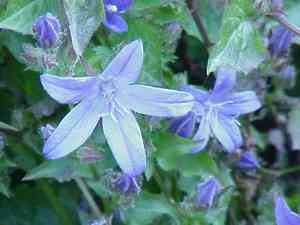
1
Campanula poscharskyana is a adaptable plant suitable for diverse garden settings.
2
Strategically placing Serbian bellflower can establish prominent visual features.
3
This plant adjusts readily to changing seasons, making it a superb choice for continuous appeal.
Introduction to Serbian bellflower in Landscaping
Understanding the appeal of Serbian bellflower for gardeners
A major draw of Serbian bellflower in garden design is its adaptability. This plant flourishes across diverse soil types and conditions, making it a favorite among both new and seasoned gardeners. Furthermore, Serbian bellflower demands minimal upkeep once established, which is particularly attractive for those desiring a beautiful garden without extensive effort. Its robust nature also allows it to thrive in less-than-ideal environments, proving it a resilient option for any garden.
The visual impact of Serbian bellflower on a garden landscape
Serbian bellflower is renowned for its vibrant, colorful blossoms that can instantly brighten any garden area. The plant's trailing growth habit makes it perfect for establishing visual layers in a landscape, adding depth and dimension. Moreover, Serbian bellflower's flowers typically persist for a considerable duration, offering enduring beauty. Whether utilized in rock gardens, as ground cover, or in hanging containers, Serbian bellflower provides a burst of color that can complement various garden styles and themes.
Where to Plant Serbian bellflower for Optimal Aesthetics
Suitable locations in the garden for Serbian bellflower
Selecting the appropriate site is vital for the best growth and visual effect of Serbian bellflower. Ideally, Serbian bellflower should be situated in an area receiving ample filtered sunlight, as it prefers partial to full sun exposure. This makes it an excellent choice for borders or along pathways where it can beautifully catch the light. Additionally, Serbian bellflower can also perform well in slightly shaded spots, offering flexibility in its placement.
Combining Serbian bellflower with other plants for a balanced look
For a harmonious and unified garden aesthetic, consider pairing Serbian bellflower with plants that complement its growth pattern, hue, and texture. Plants featuring contrasting leaf shapes or colors can accentuate the delicate blooms of Serbian bellflower, creating a visually striking combination. Groundcovers, ornamental grasses, or even taller perennials can serve as excellent companions, making the landscape more dynamic and appealing.
Tips on visibility and access
When planting Serbian bellflower, it's crucial to consider its visibility and ease of access. Ensure the plant is observable from key viewpoints in the garden, whether from a window, patio, or walkway. Placing Serbian bellflower near seating areas or along frequently used paths can provide continuous enjoyment of its beauty. Accessibility is also essential; make sure the plant is in a location where you can easily water, prune, and maintain it.
Seasonal Considerations for Serbian bellflower
Best times of year to plant Serbian bellflower
The optimal period to plant Serbian bellflower is during spring or autumn when temperatures are moderate. These seasons offer ideal conditions for the plant to establish its root system before encountering the extremes of summer heat or winter cold. Planting during these times also ensures Serbian bellflower receives sufficient moisture from seasonal rainfall, aiding its quick and robust establishment.
How Serbian bellflower adapts to different seasons
Serbian bellflower adapts well to various seasonal changes, making it a dependable choice throughout the year. In spring and summer, it flourishes and blooms, adding vibrant color to the garden. During colder months, while it may not flower, its foliage often remains lush and green, providing year-round interest. Furthermore, Serbian bellflower is frost-tolerant and can withstand cooler temperatures, making it a hardy option for diverse climates.
Designing Your Garden with Serbian bellflower
Creating focal points with Serbian bellflower
Utilizing Serbian bellflower to establish focal points in your garden can attract attention and provide visual interest. Consider planting it in prominent spots, such as the center of a flower bed or at the base of a garden feature like a statue or fountain. The trailing flowers of Serbian bellflower can serve as a natural focal point, guiding the eye and enhancing the garden's overall aesthetic.
Incorporating Serbian bellflower into existing garden themes
Serbian bellflower can be seamlessly integrated into various garden themes, from cottage gardens to contemporary landscapes. In a cottage garden, Serbian bellflower can add a touch of wild, natural charm, blending well with other flowering plants. For more modern designs, Serbian bellflower can be used to soften hardscape elements like stone or metal, creating a balance between man-made structures and natural elements.
Marrying functionality and style with Serbian bellflower
Serbian bellflower offers not only aesthetic value but also practical advantages. It can be used to fill bare areas in the garden, prevent erosion on slopes, or even act as a natural mulch to retain soil moisture. By incorporating Serbian bellflower into your garden design, you can achieve a landscape that is both attractive and efficient. Its dense foliage and extensive root system help improve soil health, making it a smart and stylish choice for sustainable gardening.



