Enhancing Your Garden Design with the Wood sedge Plant: A Landscaping Guide
1
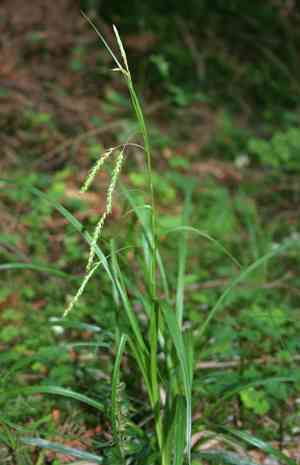
Carex sylvatica offers superb ground coverage, lending an organic, rustic appeal to any landscape.
2
Recognized for its versatility, Carex sylvatica flourishes in diverse soil compositions and light exposures.
3
Introducing Carex sylvatica can lessen soil degradation and enhance your garden's environmental well-being.
Introducing Wood Sedge in Garden Design
Overview of Wood sedge's contribution to garden beauty
Wood sedge offers a distinct visual appeal to garden settings with its delicate leaves and rich green hue. It functions as an excellent ground cover, creating a soft, natural appearance that integrates well with diverse garden styles. Due to its fine texture and graceful shape, Wood sedge can soften harsh lines and edges, making it a valuable addition to both formal and informal garden environments. Whether aiming for a forest-like retreat or a tidy, well-kept bed, Wood sedge helps elevate the visual interest and unity of your garden plan.
Brief on its current popularity and application in modern landscaping
In contemporary landscaping, Wood sedge has gained favor for its adaptability and ease of care. Both home gardeners and landscape architects value its capacity to flourish in various conditions, from shaded woodland areas to bright, sunny spots. This flexibility makes Wood sedge a preferred choice for crafting naturalistic and sustainable garden designs. It's also frequently employed in urban landscaping projects where low-maintenance plants are in high demand. Wood sedge's popularity continues to grow as more individuals recognize its ecological advantages, such as providing habitats for beneficial insects and improving soil health.
Designing Your Landscape with Wood Sedge
Assessing suitable spots for Wood sedge within your garden
A primary step in incorporating Wood sedge into your garden landscape is pinpointing optimal planting locations. Wood sedge is highly adaptable but generally favors areas that mimic its natural environment, such as shaded or partially shaded spots with moist, well-drained soil. Consider locations beneath trees, alongside paths, or near water features. Ensure the area receives adequate light and moisture, as these are vital for Wood sedge's growth and vitality. Avoid excessively dry or overly wet areas, as extreme conditions can impede its development.
Design principles: Establishing focal points using Wood sedge
When planning your garden, consider how Wood sedge can serve as a focal point. Its vibrant green foliage can attract attention and foster a sense of balance and harmony. Utilize Wood sedge strategically in areas you wish to highlight, such as around a patio, at the entrance of a garden path, or in a central garden bed. The contrast of Wood sedge against blooming plants or colorful shrubs can enhance visual interest and depth. By emphasizing key areas with Wood sedge, you can improve the overall flow and aesthetic appeal of your landscape.
Pairing Wood sedge with other plants: Optimal combinations
Combining Wood sedge with other plants can foster a rich and diverse garden ecosystem. Pair Wood sedge with shade-loving perennials like ferns, hostas, or astilbes for a cohesive look. For textural contrast, consider blending Wood sedge with flowering plants such as hellebores or woodland wildflowers. It's also effective when combined with shrubs of varying heights and colors, creating a layered effect. The key is to select companion plants that share similar growing conditions, ensuring a unified and flourishing garden.
Seasonal Considerations for Wood Sedge
How Wood sedge adjusts to different seasons
Wood sedge is a resilient plant that demonstrates adaptability throughout various seasons. In spring and summer, it often exhibits its peak growth, with vivid green foliage that adds freshness to your garden. During autumn, Wood sedge might retain some green tones, though it begins to change, depending on the climate. In winter, it remains relatively dormant, with its foliage offering a subtle texture that can still complement winter interest plants. Understanding this seasonal behavior allows you to design a garden that consistently maintains its charm, regardless of the time of year.
Adjusting your landscaping plans based on Wood sedge's seasonal changes
To maximize Wood sedge's seasonal attributes, modify your landscaping plans accordingly. In spring, focus on planting Wood sedge alongside early bloomers to create a synchronized burst of color and life. As summer approaches, consider incorporating mulch or additional watering routines to support its growth during hotter months. In autumn, seize the opportunity to divide and transplant Wood sedge, enhancing its distribution throughout your garden. During winter, use Wood sedge to maintain ground structure and texture, ensuring your garden remains visually appealing even in dormancy.
Maintenance Advice for Thriving Wood Sedge
Basic care requirements for Wood sedge
Maintaining Wood sedge is relatively simple, making it an ideal choice for both new and experienced gardeners. Consistent watering, especially during dry periods, ensures that Wood sedge stays healthy and vibrant. While it doesn't demand heavy feeding, a light application of balanced fertilizer during the growing season can boost its development. Pruning any dead or damaged leaves helps maintain its tidy appearance and prevents disease. Additionally, checking for overcrowding every few years and dividing the plants if necessary can keep them flourishing.
Addressing common problems and prevention strategies
Despite its hardiness, Wood sedge can sometimes encounter issues such as pests, diseases, or environmental stress. Common pests include slugs and snails, which can be managed using organic deterrents or traps. Fungal diseases may arise in overly wet conditions, so ensuring proper drainage and avoiding waterlogging is crucial. Stress from extreme weather can be alleviated by mulching in winter and providing shade or extra water during hot spells. Regular observation and prompt intervention are key to keeping Wood sedge in prime condition.
Creative Concepts for Incorporating Wood Sedge into Landscape Designs
Innovative applications of Wood sedge in themed gardens
Integrating Wood sedge into themed gardens can bring creativity and distinctiveness to your landscape design. For instance, in a woodland-themed garden, Wood sedge serves as an excellent ground cover that complements native plants and mimics natural forest floors. In a Japanese garden, its simple elegance contributes to the tranquil and minimalist aesthetic. For sustainable gardens, Wood sedge can be used to create low-maintenance areas that support local wildlife and promote ecological balance. The versatility of Wood sedge allows it to fit seamlessly into various thematic approaches, enhancing the overall design.
Examples of gardens showcasing Wood sedge
Drawing inspiration from real-world applications, Wood sedge has been successfully utilized in various garden designs. For example, in a residential backyard in Oregon, Wood sedge was employed to create a lush green carpet beneath a canopy of mature trees, resulting in a soothing, naturalistic space. In an urban park in New York, Wood sedge was incorporated into rain gardens, helping to manage stormwater runoff and adding aesthetic value. These examples highlight how Wood sedge's adaptability and visual appeal can transform landscapes, from private gardens to public green spaces.



