Enhancing Your Garden Design with the Annual caraway Plant: A Landscaping Guide
1
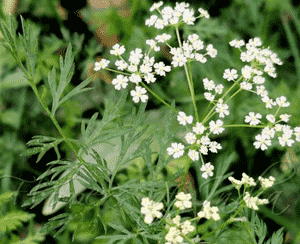
Yearly caraway contributes a distinct visual charm through its fine form and leaves.
2
Yearly caraway is recognized for requiring minimal upkeep, making it perfect for novice gardeners.
3
Including Yearly caraway can aid in organic pest management and boost garden biodiversity.
Introducing Annual Caraway in Landscape Planning
The aesthetic appeal of Annual caraway
When designing your outdoor space, incorporating Annual caraway can add a touch of grace and uniqueness. Its delicate, divided leaves and small white blossoms offer a soft, airy texture that beautifully contrasts with the denser foliage of other plants. By including Annual caraway, you can create visual interest that draws the eye without overwhelming the senses. Its simple yet striking appearance can serve as a highlight in any garden, enhancing the overall design with natural, effortless charm.
Understanding the growth pattern of Annual caraway
To effectively integrate Annual caraway into your landscape, grasping its growth cycle is crucial. Annual caraway is a biennial, meaning it typically develops leaves in its first year and flowers in its second. This cycle influences its placement and cultivation. In its initial year, Annual caraway will fill space with lush green foliage, acting as a verdant ground cover. In the subsequent year, it produces flowering stalks, adding vertical dimension. Proper placement of Annual caraway in your garden allows you to leverage its distinct growth phases and ensure it complements other plants harmoniously.
Seasonal compatibility with other plants
Integrating Annual caraway effectively requires understanding its seasonal rhythm to maximize its compatibility with other plants in your landscape. Its early spring foliage provides a fresh green backdrop that pairs well with early bloomers like tulips and daffodils. As summer progresses, Annual caraway's blossoms can create a lovely transition alongside mid-season perennials. Furthermore, its seed heads in late summer and fall offer visual interest and a food source for wildlife. By strategically planting Annual caraway, you can ensure a continuous and vibrant display throughout the growing season.
Practical Benefits of Including Annual Caraway in Your Garden
Natural pest deterrent characteristics of Annual caraway
A practical benefit of adding Annual caraway to your garden is its natural pest-repelling qualities. The plant emits an aroma that many common garden pests, such as aphids and root maggots, find unpleasant, thereby safeguarding nearby plants. This trait makes Annual caraway an excellent companion plant, reducing the need for chemical pesticides. By incorporating Annual caraway, you can foster a healthier garden ecosystem, promoting natural pest control while supporting beneficial insects like bees and butterflies.
Low maintenance needs
For gardeners seeking plants that require little upkeep, Annual caraway is an excellent choice. Once established, it demands minimal care, thriving in various soil conditions and needing only occasional watering. Its resistance to many common diseases and pests further reduces the need for constant attention. The resilience and adaptability of Annual caraway make it ideal for those who desire an attractive garden without the burden of intensive maintenance. This plant's easy-going nature allows you to spend more time enjoying your garden rather than tending to it.
Enhancing biodiversity
Adding Annual caraway to your garden can significantly boost biodiversity. Its flowers attract a variety of pollinators, including bees, butterflies, and other beneficial insects, which are vital for your garden's health and productivity. Additionally, Annual caraway provides habitat and food for various wildlife, contributing to a balanced and thriving ecosystem. By including Annual caraway, you are cultivating an environment where diverse species can coexist, ultimately leading to a more resilient and sustainable garden.
Creative Ways to Incorporate Annual Caraway in Landscaping
Design ideas for using Annual caraway as a focal point
One creative approach to integrating Annual caraway into your landscape is by using it as a central feature. Planting Annual caraway in groupings or as an edging can draw the eye and create a striking element in your garden design. Place it in prominent locations such as along paths, in flower beds, or near seating areas where its delicate flowers and fine foliage can be admired up close. Its ability to blend with various plants allows it to stand out subtly yet effectively, enhancing the overall aesthetic without appearing out of place.
Complementary plants for Annual caraway
Choosing suitable companion plants for Annual caraway can enhance its visual appeal and ensure a cohesive garden design. Consider plants with contrasting textures and colors, such as ornamental grasses, robust perennials, or even other herbs. The light, airy quality of Annual caraway pairs beautifully with bold, broad-leaved plants, creating a balanced and pleasing visual. Additionally, companion plants that thrive in similar conditions, like dill or fennel, can form a cohesive and vibrant plant community that supports each other's growth.
Sustainable landscaping with Annual caraway
Annual caraway plays a valuable role in sustainable landscaping practices. Its minimal water and maintenance requirements align with eco-friendly gardening principles, conserving resources and lessening environmental impact. Furthermore, Annual caraway improves soil health by attracting beneficial insects and increasing biodiversity. Integrating Annual caraway into your landscape design supports sustainability by promoting natural pest control and reducing the need for chemical interventions. By choosing Annual caraway, you contribute to a more sustainable and resilient garden ecosystem.
Challenges and Considerations in Growing Annual Caraway
Climate considerations for successful growth
Achieving successful growth for Annual caraway requires understanding its preferred climate. This plant thrives in temperate zones with distinct seasons, particularly flourishing in regions with cool summers. While it can tolerate some variations, extreme heat or prolonged frost can negatively impact its growth and flowering. Applying mulch and providing adequate watering can help mitigate climate stresses. By adapting your care practices to suit Annual caraway's needs, you can ensure it grows vigorously and effectively enhances your landscape.
Soil requirements
Another critical factor for growing Annual caraway is its soil needs. This plant prefers well-drained soil with a neutral to slightly acidic pH. While it can adapt to different soil types, ensuring good drainage and fertility can boost its performance. Incorporating organic matter, such as compost, can improve soil structure and provide essential nutrients. Regularly testing and amending your soil will help create optimal growing conditions for Annual caraway, ensuring healthy and robust growth.
Managing growth spread
Controlling the spread of Annual caraway is important for maintaining a neat and balanced garden. While Annual caraway is not overly aggressive, it can self-seed abundantly under favorable conditions. To manage its spread, monitor the plant regularly and promptly remove unwanted seedlings. Deadheading flowers before they produce seeds can also reduce volunteer plants. By managing its growth, you can enjoy the benefits of Annual caraway without it becoming a nuisance, preserving the intended design and harmony of your landscape.



