Enhancing Your Garden Design with the Burmese fishtail palm Plant: A Landscaping Guide
1
The Burmese fishtail palm provides a distinct tropical aesthetic, capable of turning any outdoor space into a vibrant sanctuary.
2
It's recognized for its ability to thrive in diverse environmental conditions and its minimal care needs.
3
Adding a Burmese fishtail palm can bring continuous visual appeal to your outdoor environment.
Introducing Burmese Fishtail Palm: A Unique Tropical Touch
The distinctive appearance of Burmese fishtail palm and its impact on garden aesthetics.
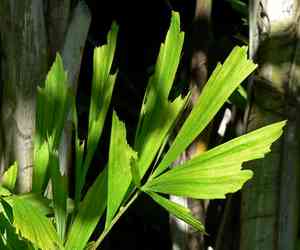
Burmese fishtail palm is recognized for its delicate, fish-tail shaped fronds that bring a distinct and exotic feel to any garden. Its rich, green foliage can instantly transform an ordinary area into a tropical haven, making it an excellent choice for creating a focal point in your landscape. The plant's visual appeal lies in its unusual leaf form and graceful growth habit, which can add texture and depth to your garden design.
Ideal landscape settings for Burmese fishtail palm to flourish.
Burmese fishtail palm thrives best in environments that mimic its tropical origins. It prefers soil that drains well and can tolerate various light conditions, from full sun to partial shade. Placing it in a protected spot can shield it from strong winds that might harm its delicate fronds. Optimal locations include near water features, alongside paths, or as part of a mixed border where its unique texture can stand out.
Combining Burmese fishtail palm with other plants for a balanced look.
Successfully integrating Burmese fishtail palm into your garden involves pairing it with other plants that complement its unique appearance. Consider grouping it with other tropical plants like ferns, hibiscus, or bird of paradise for a cohesive look. For a more diverse landscape, mix it with contrasting textures and colors, such as succulents or flowering perennials, to create an engaging and balanced design.
Why Choose Burmese Fishtail Palm for Your Garden?
Longevity and durability in various climates.
Burmese fishtail palm is a robust plant that can adapt to diverse climatic conditions. It is known for its long lifespan and can endure both cold and hot weather extremes, making it an excellent addition to gardens in various regions. Once established, this plant can thrive for many years, providing a reliable and enduring backdrop to your landscape design.
Low maintenance requirements of Burmese fishtail palm.
One of the primary benefits of Burmese fishtail palm is its low maintenance nature. It requires minimal pruning and is relatively resistant to pests and diseases. Regular watering and occasional feeding with a balanced fertilizer are usually sufficient to keep it healthy. Its resilience and easy care make it an ideal choice for both novice and experienced gardeners.
Year-round visual interest provided by Burmese fishtail palm.
Burmese fishtail palm offers year-round appeal with its evergreen fronds that remain lush and vibrant throughout the seasons. Unlike some seasonal plants that only shine for part of the year, Burmese fishtail palm ensures that your garden retains its tropical charm all year long. This consistent visual interest makes it a valuable asset in any landscape design.
Designing With Burmese Fishtail Palm: Creative Ideas and Tips
Strategic placement in landscape designs for optimal impact.
Strategic placement is crucial for maximizing the impact of Burmese fishtail palm in your garden. Use it as a centerpiece in a courtyard, as a backdrop for smaller plants, or to frame garden structures like gazebos or pergolas. Its height and spread can create a sense of enclosure and intimacy in large open spaces, making them feel more inviting.
Complementing modern and traditional landscaping styles.
Burmese fishtail palm is versatile enough to complement both modern and traditional landscaping aesthetics. In a contemporary garden, its sleek, structured leaves can add a modern edge, while in a traditional setting, its classic elegance can enhance the sense of timeless beauty. Its adaptability means it can seamlessly fit into various design themes and concepts.
Incorporating Burmese fishtail palm in small gardens and large estates.
Whether you have a small urban garden or a sprawling rural estate, Burmese fishtail palm can be incorporated to great effect. In smaller gardens, it can serve as a statement piece without overwhelming the space, while in larger landscapes, it can be used in groups to create lush, forest-like areas. Its versatility ensures it can satisfy the design needs of any sized garden.
Challenges and Solutions in Growing Burmese Fishtail Palm
Understanding common challenges in cultivating Burmese fishtail palm.
Cultivating Burmese fishtail palm comes with some challenges, such as susceptibility to root rot in poorly drained soils and sensitivity to extreme cold. Recognizing these challenges early on can help you provide the right growing conditions and avoid potential issues that could hinder the plant's growth and health.
Effective strategies to promote healthy growth.
Promoting healthy growth of Burmese fishtail palm involves providing it with well-draining soil, adequate water, and the right amount of light. Mulching around the base can help retain moisture and regulate soil temperature. Additionally, applying a slow-release fertilizer in the growing season can provide the nutrients it needs for robust growth.
Troubleshooting tips for common issues.
If you encounter issues such as yellowing fronds, stunted growth, or pest infestations, there are several steps you can take to address them. Ensure the soil is not waterlogged, check for signs of pests like spider mites or scale, and apply appropriate treatments. Regular monitoring and timely intervention can keep your Burmese fishtail palm healthy and thriving.



